
USS Gerald R. Ford completes record deployment amid Iran tensions
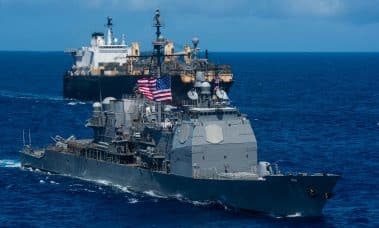
The USS Gerald R. Ford completed an extended deployment amid escalating U.S.-Iran tensions, raising concerns about regional stability and potential disruptions to critical Middle Eastern trade routes. The naval operation underscores geopolitical volatility that could influence energy markets and cryptocurrency price movements sensitive to macro risk factors.
The USS Gerald R. Ford's record deployment reflects heightened U.S. military positioning in response to Iranian regional activities, signaling Washington's commitment to maintaining presence in the Persian Gulf. This extended carrier operation typically occurs during periods of elevated diplomatic tension or security concerns, serving as both a deterrent and a show of force. The deployment matters because the Persian Gulf remains one of the world's most critical chokepoints for global energy commerce, with roughly one-third of seaborne traded oil passing through the Strait of Hormuz.
U.S.-Iran tensions have fluctuated cyclically since the 2015 nuclear deal's abandonment in 2018, with periodic escalations affecting regional shipping and energy stability. Military buildups in the region historically correlate with increased risk premiums across commodity and equity markets. Cryptocurrency markets, despite their digital nature, respond to macroeconomic uncertainty and risk-off sentiment; geopolitical crises can trigger capital flight toward perceived safe-haven assets, including Bitcoin.
For investors and traders, prolonged Middle Eastern tensions create knock-on effects through crude oil price volatility, which influences inflation expectations and central bank policy. Higher energy costs pressure global growth forecasts and can redirect investment flows. Digital asset markets may experience temporary volatility as traders reassess portfolio risk, though the relationship is indirect. Long-term, sustained regional instability could accelerate discussions around energy independence and alternative economic systems, potentially benefiting blockchain-based solutions in emerging markets seeking alternatives to traditional finance.
Monitoring official U.S. military statements and Iranian responses remains essential, as sudden escalations could trigger sharp market movements across commodities and cryptocurrencies.
- →The USS Gerald R. Ford's extended deployment signals elevated U.S.-Iran tensions with potential implications for regional stability and trade route security.
- →Persian Gulf disruptions directly impact global oil supply and prices, which indirectly influence cryptocurrency market sentiment and macro risk assessment.
- →Geopolitical crises typically trigger risk-off behavior, potentially driving capital toward safe-haven assets including Bitcoin during periods of uncertainty.
- →Energy market volatility resulting from regional tensions can pressure inflation expectations and influence central bank monetary policy decisions.
- →Investors should monitor diplomatic developments and military statements as sudden escalations could produce sharp volatility across commodities and digital assets.