
USS Gerald R. Ford deploys to Red Sea amid largest US military buildup since 2003
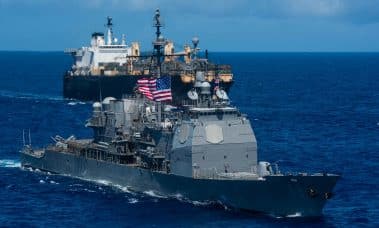
The USS Gerald R. Ford carrier strike group has deployed to the Red Sea as part of the largest US military buildup since 2003, signaling escalating geopolitical tensions in the region. This deployment carries significant implications for global oil markets and could influence cryptocurrency volatility through broader macroeconomic impacts.
The USS Gerald R. Ford deployment represents a substantial escalation in US military presence in strategically critical waters. The Red Sea corridor remains vital for global trade, with approximately 12% of worldwide maritime commerce passing through the Suez Canal and adjacent waters. A military buildup of this magnitude typically occurs during periods of heightened regional instability or emerging threats to international commerce and security.
Historically, major US military deployments correlate with periods of geopolitical uncertainty that extend beyond immediate regional conflicts. The comparison to 2003 levels invokes memories of pre-Iraq War military positioning, suggesting planners anticipate sustained or escalating tensions rather than temporary disruptions. This buildup reflects broader strategic realignment in the Middle East, where multiple state and non-state actors contest regional influence.
For cryptocurrency markets and digital asset investors, geopolitical crises create dual pressures. Traditional risk-off sentiment typically benefits Bitcoin and gold as safe-haven assets, potentially driving capital toward crypto as investors hedge against currency depreciation and inflation arising from conflict-related supply chain disruptions. Conversely, oil price spikes stemming from Red Sea tensions could trigger stagflation concerns, prompting risk reduction across all assets including cryptocurrencies. Regional instability also increases demand for decentralized financial infrastructure in affected areas.
Investors should monitor crude oil price movements closely, as sustained disruptions to shipping routes could trigger volatility across equities and cryptocurrencies. The deployment's duration and escalation trajectory will prove critical—extended tensions favor defensive crypto positioning, while rapid de-escalation could reverse these dynamics.
- →USS Gerald R. Ford deployment signals largest US military buildup since 2003, indicating serious geopolitical escalation.
- →Red Sea disruptions threaten 12% of global maritime trade, with potential cascading effects on oil prices and inflation.
- →Geopolitical crises typically drive safe-haven demand for Bitcoin and cryptocurrencies as hedges against currency debasement.
- →Supply chain disruptions from military tensions could trigger stagflation, creating conflicting market pressures for crypto assets.
- →Investors should watch crude oil futures and shipping index movements as leading indicators for crypto market direction.