
USS Pinckney halts Iranian sea trade, no ships transit Strait of Hormuz
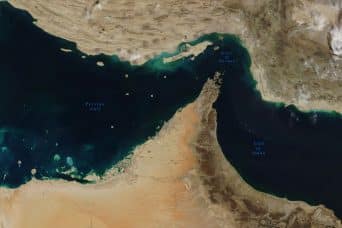
The USS Pinckney has halted Iranian sea trade and blocked ship transit through the Strait of Hormuz, a critical chokepoint controlling roughly 20% of global oil supply. This military action heightens geopolitical tensions and could significantly disrupt energy markets, with potential ripple effects across cryptocurrency and broader financial systems.
The USS Pinckney's intervention in the Strait of Hormuz represents a direct escalation in U.S.-Iran tensions with far-reaching economic consequences. The blockade prevents Iranian vessels from transiting one of the world's most strategically vital waterways, disrupting Tehran's maritime trade and limiting its ability to export oil and other goods. This action signals increased military assertiveness in the Persian Gulf region and reflects ongoing disputes over sanctions, nuclear programs, and regional influence.
This incident occurs within a broader pattern of escalating U.S.-Iran confrontation spanning years. Previous tensions have included sanctions reimposition, naval incidents, and proxy conflicts across the Middle East. The blockade represents a more direct form of economic warfare than previous measures, targeting Iranian commerce at its source. Regional allies of Iran, particularly China and European traders, face disruption to established trade routes and supply chains.
For cryptocurrency and financial markets, energy supply disruptions translate into oil price volatility, which historically correlates with broader market uncertainty. Higher energy costs increase inflationary pressure, potentially influencing central bank policies and interest rates—factors that affect risk asset valuations including cryptocurrencies. Bitcoin and other digital assets sometimes serve as hedges during geopolitical crises, though market reaction depends on broader macroeconomic conditions and sentiment.
Investors should monitor whether this blockade escalates into military conflict or resolves through diplomatic channels. Sustained trade restrictions could keep oil prices elevated, creating macroeconomic headwinds. Watch for Iranian responses, potential retaliatory actions in the Gulf, and statements from international actors seeking to de-escalate the situation.
- →USS Pinckney blockade halts Iranian maritime trade through the Strait of Hormuz, a critical global oil transit route.
- →Geopolitical escalation could drive oil price spikes, increasing inflation concerns and affecting risk asset markets including crypto.
- →The incident reflects ongoing U.S.-Iran tensions rooted in sanctions and regional disputes.
- →International trade disruptions may accelerate inflationary pressures and trigger central bank policy responses.
- →Cryptocurrency markets may experience volatility as geopolitical uncertainty traditionally increases demand for alternative assets.