
USS Rushmore conducts blockade in Arabian Sea amid Strait of Hormuz tensions
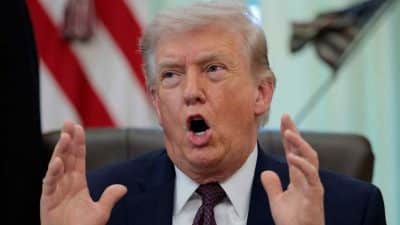
The USS Rushmore's blockade operations in the Arabian Sea escalate geopolitical tensions around the Strait of Hormuz, a critical global trade chokepoint. The military action reduces diplomatic prospects and threatens to destabilize international commerce, with potential ripple effects across energy markets and financial systems.
The USS Rushmore's blockade in the Arabian Sea represents a significant escalation in regional tensions centered on the Strait of Hormuz, one of the world's most strategically important waterways through which approximately 20% of global petroleum passes. This military positioning signals heightened confrontation rather than diplomatic de-escalation, constraining the negotiation space for involved parties. The blockade directly threatens maritime trade flows, potentially disrupting the smooth functioning of global supply chains that underpin economic stability.
Historically, the Strait of Hormuz has been a flashpoint for geopolitical tensions between regional powers and international actors. Previous incidents—including tanker seizures, drone strikes, and naval confrontations—have periodically spiked oil prices and created market volatility. This current blockade continues that pattern of using maritime control as a political tool, adding another layer of uncertainty to an already fragile regional security environment.
For financial markets, particularly cryptocurrency and broader asset classes, geopolitical instability in energy-critical regions typically triggers safe-haven demand and increased volatility. Oil price spikes resulting from Strait of Hormuz disruptions can inflate inflation expectations, affecting central bank policy and asset valuations. Crypto markets, sensitive to macroeconomic uncertainty, historically experience increased trading activity and price fluctuations during such crises. Energy sector stocks face particular pressure when shipping routes face blockade risks.
Investors should monitor whether diplomatic channels reopen or if escalation continues. Key indicators include oil price movements, shipping insurance costs, and statements from involved nations. Prolonged blockade conditions could trigger broader market repricing across risk assets.
- →USS Rushmore blockade in Arabian Sea signals military escalation over diplomatic resolution efforts
- →Strait of Hormuz disruptions threaten 20% of global petroleum flows and destabilize energy markets
- →Geopolitical tensions historically trigger cryptocurrency volatility and safe-haven asset demand
- →Oil price spikes from shipping route disruptions can accelerate inflation concerns and policy uncertainty
- →Investors should monitor diplomatic progress and oil market indicators for potential broader economic impacts