
Virtuals integrates Leyten’s distributed GPU inference engine to run GLM-5.2 across its AI agent network
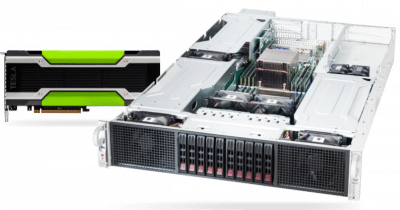
Virtuals has integrated Leyten's distributed GPU inference engine to run GLM-5.2 across its AI agent network, reducing dependence on centralized cloud infrastructure. This partnership represents a significant step toward decentralized AI infrastructure by enabling large-scale model inference without relying on traditional cloud providers.
Virtuals' adoption of Leyten's distributed GPU inference engine marks an important convergence of two emerging trends: decentralized AI infrastructure and AI agent networks. The integration allows Virtuals to execute GLM-5.2, a sophisticated language model, across a distributed network rather than concentrating computational load on centralized cloud providers like AWS or Google Cloud. This architectural shift has meaningful implications for the broader crypto-AI ecosystem.
The partnership addresses a critical pain point in current AI infrastructure: computational bottlenecks and dependency on centralized cloud providers. Blockchain-based projects have long emphasized decentralization, yet many AI implementations still rely on traditional cloud services. Leyten's distributed GPU engine enables cryptographically-verified, decentralized inference—allowing network participants to contribute GPU resources and earn rewards while reducing single points of failure.
For developers and businesses, this integration lowers barriers to accessing advanced AI capabilities without vendor lock-in risks. Users gain access to large-scale language models at potentially lower costs while maintaining data sovereignty. The decentralized approach also creates economic incentives for GPU holders to monetize idle compute capacity, potentially expanding the available compute pool across the network.
Looking forward, this integration could catalyze broader adoption of distributed AI infrastructure among crypto projects seeking to reduce operational costs and enhance resilience. Success here may prompt competitors to explore similar partnerships, potentially establishing distributed GPU inference as an industry standard. The intersection of AI agents and decentralized compute infrastructure represents an underexplored market segment with significant growth potential.
- →Virtuals reduces centralized cloud dependency by leveraging Leyten's distributed GPU inference for GLM-5.2 execution
- →Distributed GPU architecture enables decentralized AI inference with economic incentives for network participants
- →Integration lowers access barriers to large-scale language models while reducing costs for developers
- →Partnership demonstrates growing trend of decentralized infrastructure solutions in crypto-AI convergence
- →Success could establish distributed GPU inference as competitive alternative to traditional cloud AI services