
Volkswagen faces potential 100,000 job cuts amid industrial pressures
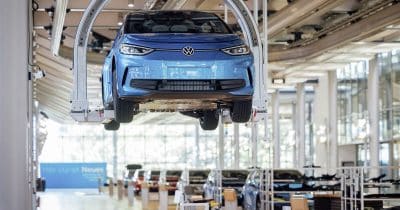
Volkswagen faces potential job cuts of up to 100,000 employees as the traditional automaker struggles to adapt to the electric vehicle transition and competitive pressures in the automotive industry. The restructuring reflects broader challenges legacy carmakers encounter while competing with Tesla and managing the capital-intensive shift toward EV production.
Volkswagen's announced job cuts represent a critical inflection point for legacy automotive manufacturers navigating the EV revolution. The company's struggle to maintain competitiveness while transitioning from internal combustion engines to electric powertrains underscores the structural challenges facing established players. The 100,000-job figure, if realized, would constitute one of the largest industrial restructurings in recent European history and signals the depth of transformation required across the sector.
The automotive industry faces a perfect storm of pressures. Tesla has redefined manufacturing economics and consumer expectations around EVs, forcing traditional automakers to simultaneously maintain legacy business operations while building entirely new production capabilities. Labor costs, outdated factory infrastructure, and organizational inertia plague established companies. Volkswagen's struggles are emblematic—the company invested heavily in electrification but faces margin pressures from Chinese EV competitors and supply chain complexities.
For investors and market participants, this signals potential systemic stress across traditional automotive supply chains and European manufacturing hubs. Pension obligations, government relations, and social impact make rapid restructuring politically fraught. The ripple effects extend to semiconductor suppliers, component manufacturers, and energy infrastructure providers dependent on automotive demand. Regional economies relying on automotive employment face contraction risks.
Watching Volkswagen's execution becomes critical. Success in achieving profitable EV production while managing workforce transition could provide a blueprint for competitors. Failure deepens questions about legacy automaker viability. Government policy responses—subsidies, training programs, tariffs protecting domestic manufacturing—will likely emerge as stakeholders pressure policymakers to cushion economic impacts.
- →Volkswagen's potential 100,000 job cuts reflect structural challenges legacy automakers face competing in the EV market against more efficient competitors.
- →The restructuring signals broader industrial transformation risk across European manufacturing and automotive supply chains.
- →Margin pressures from Chinese EV makers and capital requirements for new production capacity are forcing rapid cost rationalization.
- →Regional economies dependent on automotive employment face significant contraction without successful workforce transition programs.
- →Government policy responses and stakeholder pressure will likely intensify as social and economic impacts of restructuring become apparent.