
Volkswagen faces pushback from Qatar Investment Authority over Iron Dome plant deal with Rafael
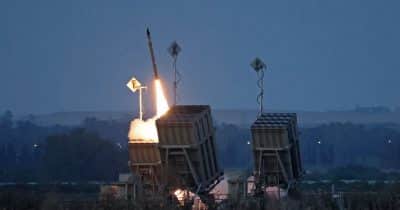
Volkswagen's plan to establish a defense manufacturing facility in partnership with Rafael Advanced Defense Systems has encountered opposition from Qatar Investment Authority, revealing tensions between corporate expansion strategies and geopolitical sensitivities in the Middle East.
Volkswagen's strategic pivot toward defense sector manufacturing represents a significant departure from its core automotive business, driven by diversification goals and emerging market opportunities. The company's partnership with Rafael, an Israeli defense contractor, positions it to capitalize on growing defense technology demand. However, the Qatar Investment Authority's pushback signals that major institutional investors now scrutinize defense-related ventures through a geopolitical lens, particularly those involving Israeli entities operating in regions with complex political dynamics.
This conflict reflects broader Middle Eastern tensions and investment sentiment shifts. Qatar's position as a major global investor gives its concerns considerable weight across multiple sectors. The authority's resistance stems from regional political considerations rather than financial metrics, indicating that strategic investments increasingly face non-economic evaluation criteria.
For corporate stakeholders and investors, this situation demonstrates that defense sector expansion carries geopolitical risk premiums absent from traditional manufacturing. Volkswagen's shareholders must now account for potential capital reallocation pressures from major institutional investors who prioritize political alignment alongside financial returns. The incident also affects defense contractors seeking corporate partnerships, as they must navigate investor sentiment alongside traditional business negotiations.
Moving forward, multinational corporations considering defense partnerships should anticipate intensified scrutiny from state-sovereign wealth funds and institutional investors. Volkswagen may need to restructure its Rafael partnership or pursue alternative geographic locations to satisfy investor concerns while advancing its defense ambitions. This trend suggests defense sector consolidation will increasingly depend on geopolitical alignment rather than pure economic viability.
- →Volkswagen's defense manufacturing partnership with Rafael faces institutional investor resistance from Qatar Investment Authority
- →Geopolitical considerations now carry significant weight in institutional investment decisions alongside traditional financial metrics
- →Defense sector expansion introduces non-economic risk factors that corporate strategy teams must address proactively
- →Multinational corporations pursuing defense partnerships must navigate complex investor sentiment tied to regional political dynamics
- →Sovereign wealth funds now function as geopolitical arbiters affecting corporate strategic expansion in sensitive sectors