
Wall Street hedges against Big Tech as CDS activity surges to record levels
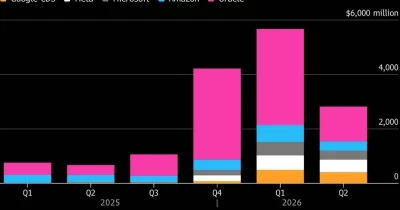
Wall Street is increasingly hedging against Big Tech companies through surging credit default swap (CDS) activity, reaching record levels. This reflects growing market concerns over elevated debt levels in the technology sector and potential risks to financial stability, with implications for broader investment strategies and market exposure.
Record CDS activity on Big Tech represents a significant shift in institutional risk perception. Investors are purchasing protection against potential default events from major technology firms, signaling concerns that extend beyond normal market volatility into structural debt sustainability questions. The surge indicates that despite Big Tech's market dominance and cash generation capabilities, Wall Street participants increasingly view leverage and debt maturity profiles as material risks requiring hedging strategies.
This trend reflects years of accommodative monetary policy and low interest rates that enabled aggressive debt issuance across the tech sector. As interest rates have risen and economic growth concerns persist, the cost of servicing these obligations has escalated. Companies that relied on refinancing strategies in favorable markets now face tighter conditions, prompting sophisticated investors to protect downside exposure through CDS instruments.
The implications ripple across multiple stakeholder groups. Equity investors in large tech firms face potential value compression if credit events materialize or debt servicing pressures force operational adjustments. Corporate bond holders face deteriorating risk-adjusted returns as CDS spreads widen, reflecting higher default probability pricing. The surge also signals that institutional risk management systems are flagging concentration risk within tech holdings, potentially triggering portfolio rebalancing at scale.
Market watchers should monitor whether CDS activity remains concentrated among mega-cap firms or spreads to mid-tier technology companies. Escalating hedging costs could indicate terminal concern, while stable activity levels suggest market-clearing of concerns. Earnings seasons will prove critical—any evidence of debt refinancing stress or guidance deterioration could validate the hedging thesis and trigger broader financial sector repricing.
- →CDS activity on Big Tech has reached record levels, indicating Wall Street hedges against default risk
- →Surging debt levels combined with rising interest rates create structural concerns for technology sector solvency
- →Institutional investors are actively reducing exposure to tech default risk through credit protection instruments
- →The trend suggests potential downstream portfolio rebalancing away from tech-heavy allocations
- →Broader financial stability implications emerge if hedging activity signals genuine systemic risk concerns