
Sriram Krishnan, top White House AI adviser, to leave administration at month’s end
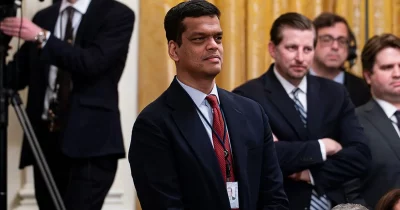
Sriram Krishnan, a senior White House AI adviser, is departing the administration at the end of the month. His exit raises concerns about policy continuity in US artificial intelligence strategy and could affect America's competitive standing in global AI development and international tech partnerships.
Krishnan's departure represents a significant shift in the White House's AI leadership structure at a critical juncture for US technology policy. As a top adviser on artificial intelligence, his role positioned him at the intersection of policy, innovation, and national competitiveness. The timing of his exit during an active administration suggests either personal reasons or potential differences in strategic direction, though the article provides limited details on his motivations.
The broader context matters considerably. The US government has increasingly recognized AI as a strategic priority comparable to semiconductor manufacturing and space exploration. Continuity in AI policy leadership ensures coherent regulatory frameworks, consistent international negotiations, and sustained investment in domestic AI capabilities. Leadership transitions in these high-level positions often create windows of uncertainty where policy momentum can stall or shift direction unexpectedly.
For the tech industry and investors, this departure introduces unpredictability around future AI regulation, export controls, and public-private collaboration initiatives. Companies relying on stable policy guidance for their AI operations may face new uncertainty. The loss of institutional knowledge and established relationships within the administration could slow decision-making on critical issues like data privacy standards, algorithmic accountability, and AI safety frameworks.
Watching how the administration fills this vacancy will be crucial. The replacement's background—whether from academia, industry, or government—will signal the administration's future AI policy priorities. Additionally, monitoring any shifts in announced AI initiatives or regulatory timelines in the coming weeks could reveal whether this departure reflects deeper strategic disagreements or simply natural personnel changes.
- →A top White House AI adviser is leaving at month's end, creating potential gaps in US AI policy leadership.
- →The departure raises concerns about continuity in American AI strategy and global competitiveness.
- →Tech companies may face increased uncertainty around AI regulation and government collaboration frameworks.
- →The administration's choice of Krishnan's replacement will signal future priorities in AI governance.
- →This leadership transition occurs as AI remains a strategic priority for US national competitiveness.