
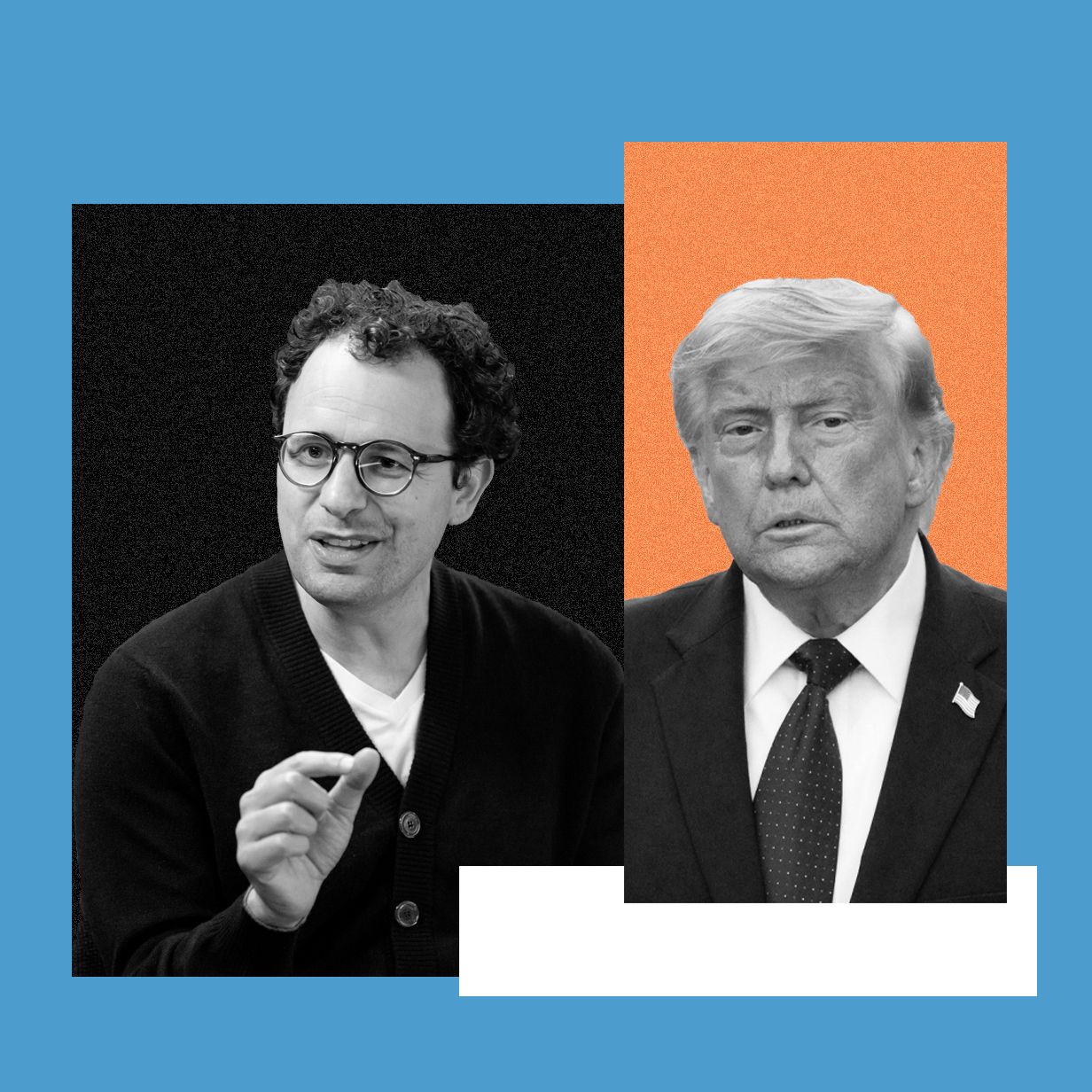
Anthropic faces regulatory uncertainty after the Trump administration blocked distribution of its Claude Mythos and Fable 5 models, yet officials have not provided clear criteria for what violations occurred. The incident highlights the absence of transparent AI governance frameworks, creating unpredictability for developers building advanced language models.
Anthropic's inability to distribute Claude Mythos and Fable 5 represents a significant friction point between AI developers and executive-branch enforcement. The lack of explicit guidance about what triggered the restriction suggests regulatory infrastructure is being constructed ad-hoc rather than through established legal channels. This approach creates compliance uncertainty that extends beyond Anthropic to the entire AI development ecosystem.
The Trump administration's AI policy has signaled tighter controls over advanced model distribution, particularly regarding systems with perceived dual-use risks. However, without published rules, companies cannot reliably distinguish between allowable and prohibited activities. This ambiguity differs markedly from traditional regulatory regimes where statutory language, regulatory text, and judicial precedent provide boundaries. The absence of transparency suggests policy is being determined through individual enforcement actions rather than prospective rule-making.
For the broader AI industry, this approach creates operational risk. Developers allocating capital toward model training and deployment face potential asset seizure or distribution restrictions without predictable legal standards. Investors in AI companies confront regulatory tail risk that cannot be precisely hedged or forecasted. Anthropic's situation may presage similar restrictions on other frontier labs, particularly those developing reasoning models or systems approaching artificial general intelligence capabilities.
The path forward likely involves either formal administrative rule-making that establishes clear AI export and distribution criteria, or continued case-by-case enforcement that accumulates into de facto policy. Market participants should monitor whether other labs face similar restrictions and whether any regulatory guidance emerges that clarifies the administration's classification of restricted models.
- →Anthropic's blocked model distribution reveals absence of transparent AI governance standards from Trump administration
- →Regulatory uncertainty creates compliance risk for all AI developers without published distribution criteria
- →Ad-hoc enforcement suggests policy is developing through individual actions rather than prospective rule-making
- →AI developers and investors face unpredictable regulatory tail risk affecting capital allocation decisions
- →Future guidance or additional enforcement actions will indicate whether this represents systematic AI policy shift