
World Cup 2026 Group H and crypto: what Spain, Uruguay, Saudi Arabia, and Cape Verde mean for fan tokens
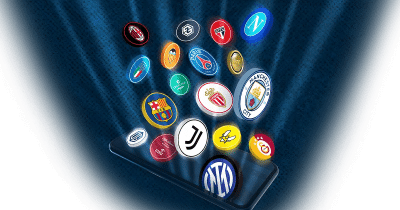
The 2026 World Cup Group H composition—featuring Spain, Uruguay, Saudi Arabia, and Cape Verde—presents a significant opportunity for fan token adoption across diverse geographic and economic markets. The article examines how crypto-based fan engagement tools could reshape spectator investment and club monetization strategies during major sporting events.
The integration of cryptocurrency into global sports represents a convergence of two powerful trends: the tokenization of digital assets and the monetization of fan loyalty. World Cup tournaments serve as ideal testing grounds for fan token adoption due to their unprecedented global viewership and the passionate, geographically dispersed fanbases they attract. Group H's composition is particularly noteworthy because it includes nations with varying crypto adoption levels and economic profiles, creating a natural experiment in cross-market fan token utility.
Fan tokens have emerged as a mechanism for clubs and national teams to deepen supporter engagement while generating revenue streams independent of traditional broadcasting rights. These tokens typically grant holders voting rights on team decisions, exclusive digital content, and merchandise discounts. The World Cup context amplifies their appeal, as temporary heightened global attention creates windows for mass adoption and trial usage among casual fans unfamiliar with blockchain technology.
For investors and developers, Group H's geographic diversity signals market expansion potential. Spain and Uruguay bring established European and South American fan bases with moderate to high crypto literacy, while Saudi Arabia represents an emerging market with significant capital but developing digital asset infrastructure. Cape Verde offers minimal market depth but symbolizes crypto's aspirational reach into underbanked regions.
The broader implication is that major sporting events function as adoption catalysts for blockchain infrastructure. Success with fan tokens during World Cup 2026 could prompt FIFA, continental soccer bodies, and other sports organizations to standardize tokenized fan engagement, creating enterprise-scale blockchain applications beyond financial speculation and establishing crypto's legitimacy in mainstream entertainment.
- →Fan tokens tied to World Cup teams create monetization opportunities and deeper supporter engagement across geographically diverse markets.
- →Group H's composition tests fan token adoption across varying levels of crypto maturity and economic development.
- →Major sporting events function as mass-adoption catalysts for blockchain technology and digital asset infrastructure.
- →Successful fan token integration could prompt broader standardization of tokenized engagement across global sports organizations.
- →The convergence of sports loyalty and cryptocurrency creates utility-based blockchain applications beyond speculative trading.