
Fans flock to RV parks as World Cup prices surge in Texas
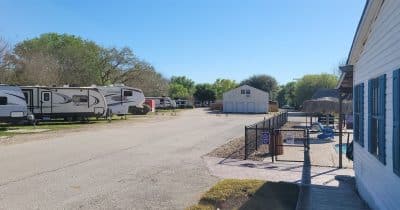
During the FIFA World Cup in Texas, accommodation prices have surged dramatically, prompting fans to seek alternative lodging in RV parks. This trend reveals significant gaps in affordable housing infrastructure for major sporting events and raises questions about event planning and accessibility for average consumers.
The World Cup's arrival in Texas has created acute accommodation shortages, with traditional hotel prices climbing to unsustainable levels for typical fans. This market dynamic has pushed attendees toward RV parks as a practical alternative, exposing infrastructure vulnerabilities in how host regions prepare for major events. The phenomenon reflects broader economic challenges where supply-demand imbalances during peak periods price out average consumers from conventional options.
Historically, major sporting events have strained local accommodation markets, but the severity in Texas suggests inadequate capacity planning or investment in temporary housing solutions. Host cities often underestimate demand elasticity or fail to incentivize additional supply beforehand. The RV park pivot demonstrates consumer resilience but also highlights a systemic inefficiency in event logistics and regional infrastructure development.
For stakeholders, this creates both challenges and opportunities. Real estate developers and hospitality investors face pressure to expand accommodation capacity ahead of major events, while tourism boards must balance demand management with accessibility concerns. The surge in RV park demand signals potential investment opportunities in mobile lodging infrastructure and flexible accommodation models.
Moving forward, event organizers should implement dynamic pricing strategies, incentivize temporary accommodations, and invest in modular housing solutions before major events. The World Cup situation in Texas provides a case study for future international events, suggesting that cities need comprehensive accommodation strategies rather than relying solely on existing infrastructure. This experience may drive innovation in affordable, scalable lodging options for large-scale gatherings.
- →World Cup accommodation prices in Texas have surged, forcing fans to seek alternative lodging options like RV parks
- →The trend exposes inadequate infrastructure planning and supply-demand imbalances during major global events
- →RV parks represent both a consumer coping mechanism and an emerging investment opportunity in flexible lodging
- →Host cities need proactive accommodation strategies and capacity planning before major events to prevent pricing crises
- →Dynamic pricing and temporary housing incentives could improve accessibility for average consumers during peak demand periods