
U.S. hotels are calling the World Cup a ‘non-event’ and 80% warn bookings are falling short of expectations, report finds
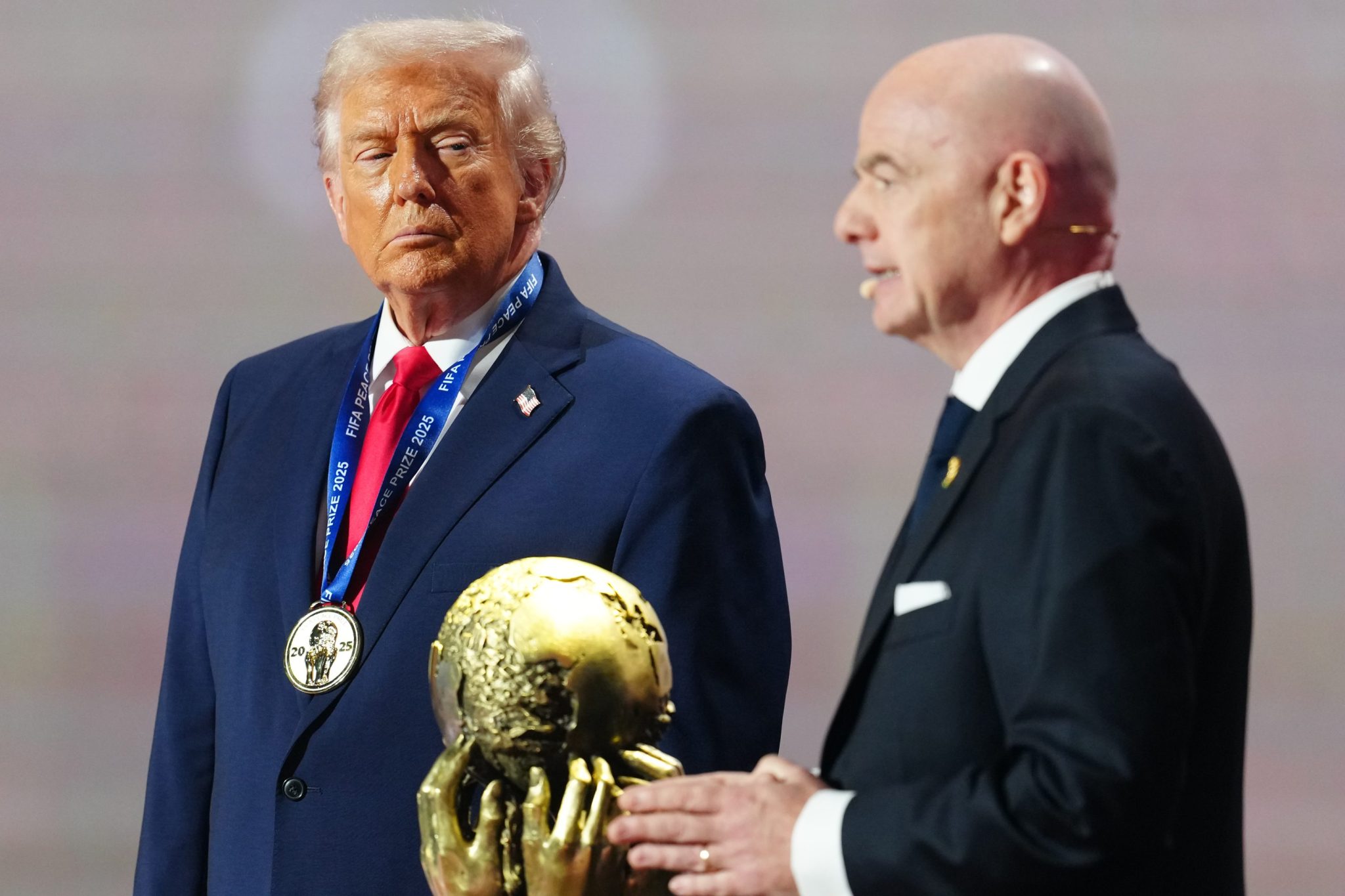
U.S. hotels report disappointing World Cup bookings despite FIFA selling 5 million tickets, with 80% of properties warning that reservations fall short of expectations. The American Hotel and Lodging Association indicates the event may not deliver the anticipated economic stimulus to the hospitality sector.
The World Cup's arrival in the United States presents a revealing case study in event-driven economic expectations versus market reality. Despite massive ticket sales reaching 5 million, the hospitality sector—typically a primary beneficiary of major sporting events—signals significant underperformance in room bookings. This disconnect suggests that ticket distribution and actual visitor spending patterns diverge considerably, with tourists potentially staying in alternative accommodations or visiting for shorter durations than historically modeled.
Major sporting events have long served as economic anchors for host cities and regions, justifying substantial infrastructure investments and promotional spending. The hotel industry's cautious outlook reflects broader patterns observed in recent Olympics and international events where projected economic multipliers failed to materialize as promised. This skepticism stems from changing travel behaviors, increased alternative accommodation options like vacation rentals, and shifting consumer priorities toward experience diversity rather than concentrated venue attendance.
The 80% warning rate carries material implications for hospitality sector investors and developers who may have capitalized expansion or renovation projects around World Cup demand forecasts. Regional economies dependent on hospitality revenue face potential revenue shortfalls, potentially affecting employment and municipal tax bases. This underperformance could influence how cities and investors evaluate future event bids, potentially making them more conservative in financial modeling and infrastructure commitments.
Moving forward, the hospitality industry will likely conduct detailed post-event analysis to understand booking shortfalls and adjust predictive models for future major events. Understanding whether underperformance stems from oversaturated ticket distribution, reduced average stay lengths, or fundamental changes in travel preferences will shape how the industry approaches event-based planning.
- →80% of U.S. hotels report World Cup bookings falling below expectations despite 5 million tickets sold
- →Ticket sales volume does not directly correlate with hotel occupancy rates for major sporting events
- →Hospitality sector faces potential revenue shortfalls affecting employment and municipal finances
- →Alternative accommodation options may be capturing market share that hotels traditionally captured
- →Future event economic projections may require more conservative modeling based on World Cup performance