
Xi Jinping shifts Taiwan strategy to diplomacy, invasion odds remain low
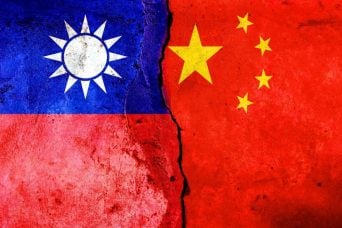
Chinese President Xi Jinping is shifting Taiwan strategy toward diplomatic engagement rather than military confrontation, which analysts assess reduces near-term invasion risks. This diplomatic pivot may ease regional tensions and create opportunities for economic cooperation, though underlying geopolitical complexities remain.
Xi Jinping's strategic recalibration toward diplomacy signals a potential de-escalation in cross-strait tensions that have periodically roiled global markets. This shift reflects China's preference for negotiated solutions over military action, at least in the current geopolitical window. The move carries significance for regional stability and investor confidence in Asia-Pacific markets, which have experienced volatility during periods of elevated Taiwan-China tensions.
Historically, Chinese military posturing toward Taiwan has triggered risk-off sentiment across cryptocurrency and equity markets, as traders reassess geopolitical risk premiums. The 2022 Nancy Pelosi Taiwan visit, for instance, coincided with crypto market turbulence. A sustained diplomatic approach suggests reduced flash-crash risks from sudden geopolitical escalation. However, this represents a tactical positioning rather than fundamental resolution of the underlying dispute over Taiwan's status.
For cryptocurrency markets specifically, reduced geopolitical friction tends to support risk-on sentiment and reduce safe-haven demand that benefits traditional hedges. Crypto investors relying on crisis hedging may face lower volatility in this environment, though broader market conditions remain driven by macroeconomic factors, regulatory developments, and adoption trends. Asian-focused crypto exchanges and blockchain projects operating in the region could benefit from normalized business conditions and reduced regulatory uncertainty stemming from geopolitical tensions.
Markets should monitor whether this diplomatic posture holds through leadership transitions or policy shifts. Economic collaboration frameworks between China and Taiwan could expand blockchain and fintech partnerships, particularly in digital currency infrastructure and cross-border settlement solutions.
- →Xi's diplomatic pivot toward Taiwan reduces near-term military conflict risks and associated market volatility
- →De-escalation may support risk-on asset classes including cryptocurrencies by reducing geopolitical uncertainty premiums
- →Economic collaboration could expand fintech and blockchain cooperation between China and Taiwan
- →This reflects tactical positioning rather than fundamental resolution of the underlying sovereignty dispute
- →Investors should monitor whether diplomatic posture sustains through future policy cycles and leadership transitions