
Zelenskiy invites Putin to direct talks in open letter, gets rejected within 24 hours
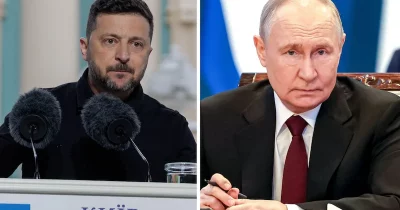
Ukrainian President Zelenskiy made a public diplomatic overture to Putin through an open letter proposing direct talks, but was rejected within 24 hours. The failed initiative underscores the breakdown of diplomatic channels and the ongoing reliance on military confrontation rather than negotiation.
Zelenskiy's public invitation to Putin represents a significant diplomatic gesture aimed at de-escalating the conflict through direct dialogue. The swift rejection within a day signals Russia's unwillingness to engage in the proposed talks, reinforcing the entrenchment of both positions. This exchange reflects the broader pattern where diplomatic solutions have largely given way to military operations, with both parties showing limited flexibility in their negotiating positions.
Historically, the conflict has seen multiple failed mediation attempts from various international actors, including Turkey, the UN, and individual nations. Zelenskiy's open letter approach—making the invitation public rather than through private channels—suggests a potential shift toward public-facing diplomacy, possibly aimed at maintaining international support and demonstrating Ukraine's commitment to peace efforts. The quick rejection indicates Russia views such overtures skeptically or sees no incentive to engage at this juncture.
The geopolitical stalemate carries indirect implications for global markets, including energy prices, commodity volatility, and risk sentiment affecting cryptocurrency and traditional assets. Prolonged conflict without diplomatic resolution sustains uncertainty about sanctions regimes, international relationships, and capital flows. Investors monitor these diplomatic signals as potential leading indicators of conflict escalation or de-escalation that could materially impact market conditions.
Observers should watch for any shifts in either party's negotiating stance, statements from influential mediators, or changes in military momentum that might motivate renewed diplomatic engagement. The absence of productive talks increases the likelihood of further military escalation and extended global economic disruption.
- →Zelenskiy's diplomatic overture was rejected within 24 hours, signaling Russia's unwillingness to pursue direct negotiations
- →Military solutions continue to dominate over dialogue as both parties remain entrenched in their positions
- →The failed diplomatic initiative reinforces geopolitical uncertainty affecting global markets and risk assets
- →Public diplomacy approach suggests an attempt to maintain international support while pursuing peace
- →Prolonged conflict without resolution sustains elevated volatility in energy, commodities, and crypto markets