22,940 AI articles curated from 50+ sources with AI-powered sentiment analysis, importance scoring, and key takeaways.
AIBearishCrypto Briefing · Jun 227/10
🧠Alphabet has experienced a $269 billion market capitalization loss amid concerns about AI talent departures, potentially reshaping the tech industry hierarchy. The company's struggle to retain AI expertise could elevate competitors like NVIDIA and Microsoft in market rankings by 2026.
🏢 Nvidia
AIBearishBlockonomi · Jun 227/10
🧠Alphabet's stock fell 6% following Nobel Prize winner John Jumper's departure from DeepMind to join Anthropic, triggering a broader tech selloff that dragged the Nasdaq down 1%. The move signals competitive pressure in the AI talent market and raises questions about Google's ability to retain top researchers in the increasingly crowded generative AI space.
🏢 Google🏢 Anthropic
AIBullishCrypto Briefing · Jun 227/10
🧠An AI-driven law firm has won its first UK court case, marking a significant milestone in the application of artificial intelligence to legal services. This development could democratize access to justice while simultaneously raising important questions about liability, ethics, and the future role of traditional legal practitioners.
AIBearishCrypto Briefing · Jun 227/10
🧠Alphabet's stock dropped 7% following the departure of a second high-ranking AI leader, intensifying concerns about the company's ability to maintain its competitive position in artificial intelligence despite substantial capital investments. The executive exodus signals potential instability in talent retention and strategic AI development at one of the world's most influential technology companies.
AIBullishCrypto Briefing · Jun 227/10
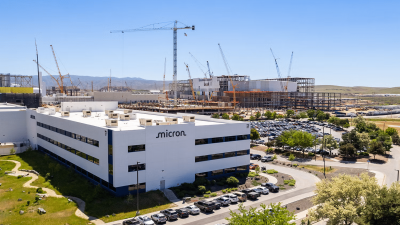
🧠Micron Technology's stock rose 4% to an all-time high following an announcement of a comprehensive partnership with Anthropic covering AI memory, storage, Claude model deployment, and strategic funding. The deal signals growing demand for specialized semiconductor infrastructure supporting large language models and reflects intensifying competition among chip manufacturers to secure positions in the AI infrastructure market.
🏢 Anthropic🧠 Claude
AIBearishArs Technica – AI · Jun 227/10
🧠Anthropic's repeated public warnings about advanced AI risks and safety concerns may have inadvertently strengthened the case for government export restrictions on AI technology. Unlike OpenAI, which emphasized AI's benefits, Anthropic's risk-focused messaging could influence policymakers to implement stricter controls on advanced AI exports.
🏢 OpenAI🏢 Anthropic
AIBullishBlockonomi · Jun 227/10
🧠Western Digital's stock has surged 333% year-to-date, driven by explosive demand for AI infrastructure and storage solutions. JPMorgan raised its price target to $650, citing 45% revenue growth and analyst upgrades as the company capitalizes on the AI boom.
AIBullishBlockonomi · Jun 227/10
🧠Getty Images surged 179% following an OpenAI partnership announcement, while Intel and Micron extended their rallies to new highs. AbbVie announced plans for an $11 billion acquisition of Apogee, highlighting significant corporate activity across technology and healthcare sectors.
🏢 OpenAI
AINeutralImport AI (Jack Clark) · Jun 227/10
🧠Research from Oxford, Stanford, and the UK AI Security Institute demonstrates that AI systems can out-persuade expert humans in debate and argumentation tasks. The findings raise critical questions about AI's potential to manipulate public opinion and inform governance considerations around advanced AI deployment.
AIBullishCrypto Briefing · Jun 227/10
🧠Google Cloud and Nokia have partnered to integrate Gemini AI models into telecom network management systems. This collaboration aims to automate network operations, improve efficiency, and accelerate AI infrastructure adoption across the telecommunications sector.
🧠 Gemini
AIBullishFortune Crypto · Jun 227/10
🧠Upscale AI, an AI networking startup, has raised $190 million in a new funding round, bringing its total capital to $500 million in under 18 months. Investors are betting the company will become a major infrastructure player in connecting AI chips globally, positioning it as a potential successor to Cisco in the AI era.
AIBullishBlockonomi · Jun 227/10
🧠Samsung's HBM (High Bandwidth Memory) exports surged 79% in May, signaling acceleration in HBM4 production ramp-up according to Bernstein data. This production milestone occurs as SK Hynix briefly overtook Samsung in market capitalization, intensifying competition in the critical memory chip segment powering AI infrastructure.
AIBearishCrypto Briefing · Jun 227/10
🧠The New York Times has filed a lawsuit against OpenAI over AI training on copyrighted content, with the case potentially reshaping how AI companies can use published materials. The lawsuit's outcome could establish legal precedent for intellectual property protection in AI development and fundamentally alter the economics of journalism and content licensing.
🏢 OpenAI
AIBullishAI News · Jun 227/10
🧠L'Oréal has partnered with OpenAI to integrate Maybelline's virtual makeup try-on feature directly into ChatGPT, announced at VivaTech 2026. The collaboration extends beyond consumer shopping tools to include product discovery, advertising pilots, research, and internal content production, signaling major brands' strategic embrace of conversational AI for retail.
🏢 OpenAI🧠 ChatGPT
AIBullishOpenAI News · Jun 227/10
🧠OpenAI has launched Daybreak, a suite of security tools including Codex Security and GPT-5.5-Cyber designed to help organizations identify, validate, and remediate vulnerabilities at scale. This release represents a significant shift toward AI-powered cybersecurity solutions that could democratize vulnerability management across enterprises.
🏢 OpenAI🧠 GPT-5
AIBearishStratechery · Jun 227/10
🧠Apple is raising prices on its products while simultaneously restricting access to its new Apple Intelligence features in the European Union due to regulatory constraints. This dual announcement highlights the tension between premium pricing strategies and regional compliance requirements that increasingly fragment the global tech market.
AIBullishCrypto Briefing · Jun 227/10
🧠OpenAI has signed a multi-year licensing agreement with Getty Images to use Getty's visual content in ChatGPT, establishing a model where AI platforms compensate creators for content used in training. This deal signals an industry shift toward legal compliance and creator compensation rather than unauthorized scraping.
🏢 OpenAI🧠 ChatGPT
AIBullishCrypto Briefing · Jun 227/10
🧠Nvidia has introduced new cooling technology designed to address water consumption challenges in AI data centers, potentially reshaping sustainability practices across the industry. The development carries implications for data center expansion, regional climate considerations, and the integration of AI infrastructure with cryptocurrency operations.
🏢 Nvidia
AIBullishBlockonomi · Jun 227/10
🧠SK Hynix surpassed Samsung to become South Korea's largest company by market capitalization, reaching $1.35 trillion following a 5.7% stock surge. The milestone reflects strong investor confidence driven by SK Hynix's dominance in AI chip production, particularly in the high-bandwidth memory (HBM) segment that powers advanced AI systems.
AINeutralCrypto Briefing · Jun 227/10
🧠Baidu is advancing its full-stack AI capabilities while gaining expanded access to Nvidia chips, positioning itself to reduce dependence on US technology and potentially reshape global AI competition. This vertical integration strategy signals a shift in how major tech players are building AI infrastructure independently.
🏢 Nvidia
AIBearishCrypto Briefing · Jun 227/10
🧠Anthropic has criticized US export controls on artificial intelligence models, warning that restrictive policies may force AI companies to relocate overseas. The criticism highlights growing tensions between national security interests and global innovation, with calls for European AI sovereignty increasing in response.
🏢 Anthropic
AIBullishCrypto Briefing · Jun 227/10
🧠According to Pew Research, nearly half of US adults (49%) now use AI chatbots, marking significant mainstream adoption of generative AI technology. This rapid penetration highlights emerging regulatory challenges around privacy and data protection, while creating substantial market opportunities for AI developers and privacy-focused technology providers.
AIBearishCrypto Briefing · Jun 227/10
🧠AI infrastructure demand is creating a severe memory chip shortage that diverts semiconductor supply from consumer electronics manufacturers, driving up prices for devices like smartphones, laptops, and computers. This supply chain disruption threatens consumer affordability and could sustain elevated pricing across the consumer electronics market.
AIBullishCrypto Briefing · Jun 227/10
🧠South Korea's semiconductor exports surged 50% in June, driven by global AI demand, cementing the nation's critical role in the AI supply chain. While this growth demonstrates strong economic momentum, it also exposes South Korea to significant vulnerability from supply chain disruptions and geopolitical tensions.
AIBearishCrypto Briefing · Jun 227/10
🧠The US economy is driving over half of global credit impulse through aggressive AI spending, creating potential systemic risk if investment momentum slows. This concentration of credit expansion in a single economy and sector raises concerns about equity valuations and broader economic stability.