Markets, DeFi, chain. 22,062 articles with AI-powered sentiment analysis and key takeaways.
GeneralBearishCrypto Briefing · Apr 18🔥 8/10
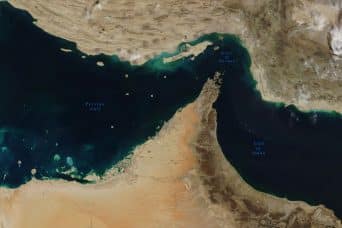
📰Iran has closed the Strait of Hormuz in a strategic escalation against the United States, heightening geopolitical tensions and creating significant uncertainty in global oil markets. This action complicates ongoing diplomatic efforts between the two nations and poses risks to energy security worldwide.
GeneralBearishCrypto Briefing · Apr 18🔥 8/10
📰Israel is preparing for potential military action against Iran amid escalating regional tensions, raising concerns about geopolitical instability and its ripple effects on global markets. Such conflict could trigger significant market volatility and disrupt energy markets, with implications for cryptocurrency and broader financial assets.
GeneralBearishCrypto Briefing · Apr 18🔥 8/10
📰The US is moving to seize Iranian-linked ships amid escalating tensions in the Strait of Hormuz, a critical chokepoint for global oil transport. The action threatens to destabilize international oil markets and intensify geopolitical risks in the Middle East, with potential ripple effects across energy prices and broader financial markets.
GeneralBearishCrypto Briefing · Apr 18🔥 8/10
📰Iran launched strikes against over 40 Israeli targets amid escalating regional tensions, triggering international diplomatic efforts to prevent further conflict escalation. This geopolitical crisis threatens broader Middle Eastern stability and could have ripple effects on global markets, including cryptocurrency and energy sectors.
GeneralBearishCrypto Briefing · Apr 18🔥 8/10
📰The US and Israel have announced strategic successes against Iran's nuclear and missile programs, triggering increased market volatility in global markets. This geopolitical escalation raises concerns about regional stability and potential for further military confrontation, with ripple effects across asset classes including cryptocurrencies.
GeneralBearishCrypto Briefing · Apr 18🔥 8/10
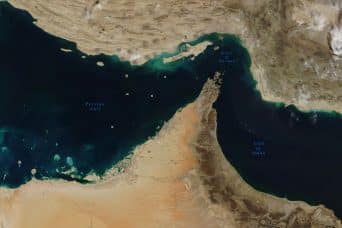
📰The Strait of Hormuz faces escalating geopolitical tensions involving US military presence and Iranian Revolutionary Guard Corps control, creating instability in one of the world's most critical maritime trade corridors. These developments pose risks to global energy supplies and trade routes, with potential ripple effects across international markets.
GeneralBearishCrypto Briefing · Apr 18🔥 8/10
📰Israeli artillery fire in southern Lebanon has tested the fragility of a recently established ceasefire agreement between the two nations. The incident underscores ongoing tensions and the difficulty of maintaining peace in a volatile region, with potential implications for broader geopolitical stability in the Middle East.
GeneralBearishCrypto Briefing · Apr 18🔥 8/10
📰Iran has escalated tensions by attacking commercial vessels and consolidating control over the Strait of Hormuz, a critical chokepoint for global oil trade. These actions risk military or diplomatic escalation that could disrupt energy markets and trigger broader geopolitical instability affecting cryptocurrency and traditional financial markets.
CryptoBearishCrypto Briefing · Apr 18🔥 8/10
⛓️Iran's closure of the Strait of Hormuz has triggered a significant geopolitical crisis that reverberates through global financial markets, including cryptocurrency. Bitcoin and Ethereum prices declined in response to the escalating tensions and broader market uncertainty, as investors reassess risk exposure amid potential disruptions to international trade and energy markets.
$BTC$ETH
GeneralBearishCrypto Briefing · Apr 18🔥 8/10
📰Escalating conflict in Iran threatens critical energy infrastructure, potentially triggering prolonged global economic disruption. The geopolitical instability could reshape energy markets, influence monetary policy responses, and create cascading effects across cryptocurrency and traditional financial markets.
CryptoBearishCrypto Briefing · Apr 18🔥 8/10
⛓️An Ethereum-backed project has identified approximately 100 North Korean operatives embedded within cryptocurrency firms, raising concerns about state-sponsored infiltration of the digital asset sector. This discovery is likely to trigger stricter regulatory oversight and compliance requirements across the crypto industry, potentially reshaping operational practices and market dynamics.
$ETH
GeneralBearishCrypto Briefing · Apr 18🔥 8/10
📰Ukraine is targeting Russian oil infrastructure, threatening approximately 40% of Russia's oil export capacity. This escalation could exacerbate global oil supply constraints, potentially driving up crude prices and prompting strategic responses from other major oil producers, with ripple effects across energy markets and commodity-linked assets.
CryptoBullishBlockonomi · Apr 187/10
⛓️Bitcoin miners sold a record 32,000 BTC in Q1 2026, the largest quarterly outflow ever recorded, driven by the 2024 halving that reduced block rewards to 3.125 BTC while rising hash rates pushed mining profitability below breakeven levels. On-chain metrics suggest peak distribution is ending, potentially signaling a supply turning point that could affect BTC price dynamics.
$BTC
GeneralBearishCrypto Briefing · Apr 18🔥 8/10
📰Iran's Islamic Revolutionary Guard Corps (IRGC) has restricted passage through the Strait of Hormuz while Tehran rejects claims made by Trump, escalating geopolitical tensions. This move complicates potential US-Iran negotiations and threatens global oil market stability, with significant implications for energy prices and broader macroeconomic conditions affecting cryptocurrency markets.
GeneralBearishCrypto Briefing · Apr 18🔥 8/10
📰Iran has reversed its decision to open the Strait of Hormuz in response to US blockade tensions, escalating geopolitical risks in a critical global shipping corridor. This reversal heightens military confrontation risks and creates uncertainty for energy markets and broader macroeconomic stability.
GeneralBearishCrypto Briefing · Apr 18🔥 8/10
📰Ukrainian drone strikes are costing Russia approximately $100 million daily in lost oil revenue through disruptions to energy exports. These supply disruptions could tighten global oil markets and potentially drive crude prices higher by June, with cascading effects on energy-dependent economies and commodity markets.
GeneralBearishCrypto Briefing · Apr 18🔥 8/10
📰Escalating geopolitical tensions between Iran and the US, combined with WTI crude oil prices approaching $160 per barrel, are creating significant economic headwinds for American consumers and markets. Rising energy costs threaten to push gasoline prices toward $4 per gallon, potentially constraining consumer spending and market stability.
GeneralBearishCrypto Briefing · Apr 18🔥 8/10
📰Netanyahu's escalating military operations are straining US-Israel diplomatic relations and undermining ceasefire negotiations, with potential consequences for regional stability and international alliances. The Israeli leadership's actions risk prolonging the conflict rather than resolving it through diplomatic channels.
GeneralBearishCrypto Briefing · Apr 18🔥 8/10
📰Israel has established a "yellow line" in Lebanon, indicating plans for sustained military operations in the region. This development signals potential escalation of tensions with Hezbollah and suggests a shift toward long-term military commitment rather than temporary intervention.
GeneralBearishCrypto Briefing · Apr 18🔥 8/10
📰Iran's Islamic Revolutionary Guard Corps (IRGC) has conducted attacks on commercial vessels transiting the Strait of Hormuz, a critical global maritime chokepoint through which approximately 21% of world petroleum passes daily. Concurrent uncertainty regarding UK naval deployment to the region signals escalating geopolitical tensions that threaten supply chain stability and energy markets.
GeneralBearishCrypto Briefing · Apr 18🔥 8/10
📰Iran has issued a warning of severe military retaliation should regional ceasefire agreements collapse, escalating geopolitical tensions in the Middle East. This development threatens diplomatic stability and could have cascading effects on global markets, including cryptocurrency volatility driven by broader macroeconomic uncertainty.
CryptoBullishcrypto.news · Apr 187/10
⛓️AndX USA LLC has launched a US crypto exchange leveraging BitGo's regulated Crypto-as-a-Service infrastructure, enabling nationwide operations across all 50 states under OCC-regulated custody. This partnership demonstrates how established institutional custody providers are facilitating new exchange entrants by removing regulatory and operational barriers to entry.
GeneralBearishCrypto Briefing · Apr 18🔥 8/10
📰Potential closure of the Strait of Hormuz amid Iran-related geopolitical tensions threatens to disrupt global oil supply, a critical commodity that influences energy prices, inflation, and macroeconomic conditions affecting cryptocurrency and broader financial markets. The disruption could reshape international alliances and economic strategies with ripple effects across multiple asset classes.
GeneralBearishCrypto Briefing · Apr 18🔥 8/10
📰Iranian gunboats attacked a tanker in the Strait of Hormuz, signaling potential fragility in regional ceasefire agreements and raising concerns about global oil market stability. This incident underscores escalating geopolitical tensions in a critical energy chokepoint that directly influences cryptocurrency and traditional commodity markets.
GeneralBearishCrypto Briefing · Apr 18🔥 8/10
📰Iran has imposed restrictions on the Strait of Hormuz, a critical global shipping chokepoint, escalating geopolitical tensions and complicating diplomatic negotiations with the United States. The move threatens to disrupt international trade, energy markets, and financial stability.