GeneralNeutralarXiv – CS AI · May 125/10
Crypto Signal News
Markets, DeFi, chain. 23,417 articles with AI-powered sentiment analysis and key takeaways.
23417 articles
GeneralNeutralarXiv – CS AI · May 125/10
GeneralNeutralarXiv – CS AI · May 125/10
GeneralNeutralarXiv – CS AI · May 125/10
CryptoBearishNewsBTC · May 126/10
⛓️
Ethereum Price Rejected Near $2,400 Again, Sellers Defend Key Barrier
Ethereum faces renewed selling pressure near $2,400, having retreated below key technical levels including the $2,350 zone and its 100-hourly moving average. Bears have broken through a bullish trend line, with further downside possible if support at $2,300 fails, while technical indicators show bearish momentum building.

$BTC$ETH
CryptoNeutralNewsBTC · May 126/10
⛓️
Bitcoin Price Eyes $82K Break, Bulls Prepare For Bigger Rally
Bitcoin is consolidating near $80,500-$82,000 after failing to break above $82,000 resistance. Technical analysis suggests a contracting triangle pattern is forming, with bulls needing to hold above $80,500 to attempt a move toward $82,500, while a breakdown below $81,800 could trigger losses toward $79,000.

$BTC
GeneralBearishCrypto Briefing · May 126/10
📰
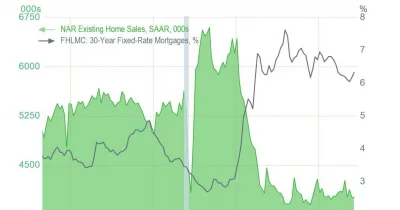
US existing home sales rise to 4.02M in April, missing expectations as housing market limps along
US existing home sales reached 4.02M in April, falling short of market expectations and underscoring the housing market's continued weakness. High mortgage rates and the 'lock-in effect'—where homeowners with low fixed-rate mortgages resist selling—are constraining transaction volumes and slowing recovery momentum.
GeneralNeutralCrypto Briefing · May 126/10
📰
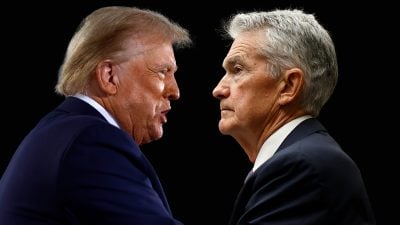
Senate advances Kevin Warsh nomination for Fed Chair, Powell exit unlikely by May
The U.S. Senate is advancing Kevin Warsh's nomination for Federal Reserve Chair, with Powell's tenure unlikely to end before May. This potential leadership transition could reshape monetary policy direction and influence broader financial markets, including cryptocurrency valuations.
CryptoNeutralBitcoinist · May 126/10
⛓️
XRP Holds Range As Buyers Begin To Absorb Supply – The Setup Behind A Potential Breakout
XRP is consolidating below the $1.50 resistance level as buyers attempt to absorb selling pressure and establish a foundation for a potential breakout. A CryptoQuant analyst has identified technical signals suggesting organized accumulation patterns that could precede significant price movement.

$XRP
CryptoNeutralNewsBTC · May 126/10
⛓️
Bitcoin Exits ‘Panic Zone,’ But Capital Inflows Remain Weak
Bitcoin has exited the 'panic zone' according on-chain metrics, with the Realized Profit/Loss Ratio improving and the Realized Cap beginning to reverse its downward trend. However, capital inflows remain weak compared to historical bullish periods, suggesting market recovery is gradual rather than explosive.

$BTC$XRP🧠 DALL E
GeneralBearishCrypto Briefing · May 126/10
📰
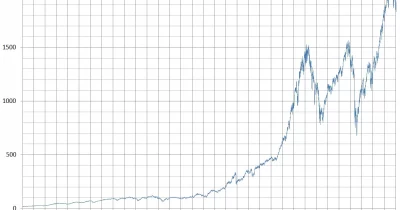
S&P 500 hits new all-time high as $9.6 trillion rally raises questions for crypto
The S&P 500 has reached a new all-time high, driven by a $9.6 trillion rally that is prompting investors to reconsider their asset allocation strategies and crypto's role within diversified portfolios. This market milestone raises questions about whether traditional equities are becoming more attractive relative to cryptocurrencies.
CryptoNeutralcrypto.news · May 126/10
⛓️
Tom Lee slows Bitmine ETH accumulation
Tom Lee's Bitmine has significantly slowed its Ethereum accumulation after acquiring over 5.2 million ETH tokens representing 4.3% of total supply. Weekly purchases dropped from over 100,000 ETH to just 26,659 ETH ($63 million), signaling a potential shift in the firm's acquisition strategy.

$ETH
AI × CryptoBullishTechCrunch – AI · May 126/10
🤖
Riding an AI rally, Robinhood preps second retail venture IPO
Robinhood is filing confidentially for a second venture fund that will expand beyond early-stage investments to include growth-stage startups, riding momentum from the AI market rally. This move signals the fintech platform's deeper commitment to venture capital as a business line alongside its core retail trading operations.
CryptoBearishU.Today · May 126/10
⛓️
Can Toncoin (TON) Lose All Gains? Ethereum (ETH) $2,000 Plunge Is Possible, Shiba Inu (SHIB) Price Is in Strongest State Since March: Crypto Market Review
The cryptocurrency market exhibits divergent momentum across major assets: Toncoin faces potential downside risks, Ethereum risks a $2,000 decline, while Shiba Inu demonstrates relative strength at its strongest levels since March. This mixed market dynamic reflects shifting investor sentiment and varying fundamental drivers across different blockchain ecosystems.
$ETH
GeneralNeutralOpenAI News · May 125/10
📰
🏢 Nvidia🧠 GPT-5
GeneralNeutralOpenAI News · May 125/10
GeneralNeutralOpenAI News · May 125/10
GeneralNeutralEthereum Foundation Blog · May 125/10
GeneralBearishSimon Willison Blog · May 116/10
📰
Thoughts on GitLab's workforce reduction" and "structural and strategic decisions"
GitLab announced a workforce reduction as part of strategic restructuring, reflecting broader challenges in the SaaS and DevOps sectors amid economic headwinds. The move signals difficult decisions by tech companies to align costs with revenue growth and market conditions.
AI × CryptoBullishBitcoinist · May 116/10
🤖
Strategy Says Its Software Business Is Quietly Powering Its Bitcoin Machine
Strategy executive Phong Le argues that the company's software business and Bitcoin holdings are operationally and financially intertwined, rejecting the narrative that they operate as separate entities. The statement highlights how Strategy views its legacy software operations as essential infrastructure supporting its Bitcoin acquisition strategy.

$BTC
CryptoNeutralNewsBTC · May 116/10
⛓️
Ethereum Cools Off Below $2,450 – Lower Leverage Sets The Stage For A Breakout
Ethereum is consolidating below $2,450 resistance after a 33% rally from February lows, with derivatives leverage declining sharply from 0.76 to 0.57. Analyst Darkfost notes that despite bullish price action, funding rates remained negative and shorts accumulated, creating structural pressure—but the recent deleveraging has cleaned up the market, making a breakout possible if spot demand emerges.

$BTC$ETH🧠 ChatGPT
AI × CryptoBullishCrypto Briefing · May 116/10
🤖
OpenAI employees sell shares worth $30M each in massive tender offer
OpenAI employees participated in a tender offer to sell shares valued at approximately $30 million each, signaling strong liquidity interest in the company's private equity. The event underscores the emerging trend of tokenized equity mechanisms that could reshape how private company shares trade and how regulatory frameworks evolve around secondary markets.
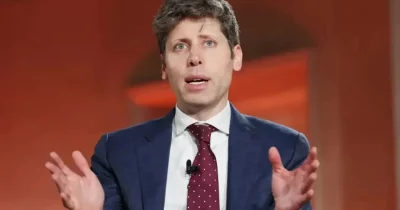
🏢 OpenAI
GeneralNeutralFortune Crypto · May 116/10
📰
Navy plans to buy 15 costly Trump-class battleships by 2055
The U.S. Navy plans to procure 15 new Trump-class battleships by 2055, with each vessel potentially costing $14.5 billion or more. The ships were personally unveiled and approved by the president, representing a substantial military infrastructure investment.

GeneralBearishFortune Crypto · May 116/10
📰
Trump Mobile quietly rewrote its fine print to say the gold Trump phone may never be made, a year after taking $100 deposits
Trump Mobile has quietly updated its terms and conditions to state that customers who paid $100 deposits for the gold Trump phone may never receive the device, describing their payment as merely a 'conditional opportunity' to buy if the company chooses to manufacture it. This change came approximately one year after deposits were collected, raising questions about consumer protections and the legitimacy of the presale campaign.

GeneralBearishCrypto Briefing · May 116/10
📰
US stocks open lower as Dow, S&P 500, and NASDAQ all slide into the red
US equity markets opened lower across major indices as the Dow, S&P 500, and NASDAQ declined, driven by investor concerns about AI profitability sustainability, escalating geopolitical tensions, and disappointing technology sector earnings. This market weakness signals broader uncertainty about future growth prospects and risk appetite.