
CryptoBullishCrypto Briefing · Apr 16🔥 8/10
Crypto Signal News
Markets, DeFi, chain. 103,900 articles with AI-powered sentiment analysis and key takeaways.
103900 articles

CryptoBullishCrypto Briefing · Apr 16🔥 8/10

GeneralBearishCrypto Briefing · Apr 16🔥 8/10

GeneralBearishCrypto Briefing · Apr 16🔥 8/10

GeneralBearishCrypto Briefing · Apr 16🔥 8/10

GeneralBearishCrypto Briefing · Apr 15🔥 8/10

CryptoBullishBitcoin Magazine · Apr 15🔥 8/10
⛓️
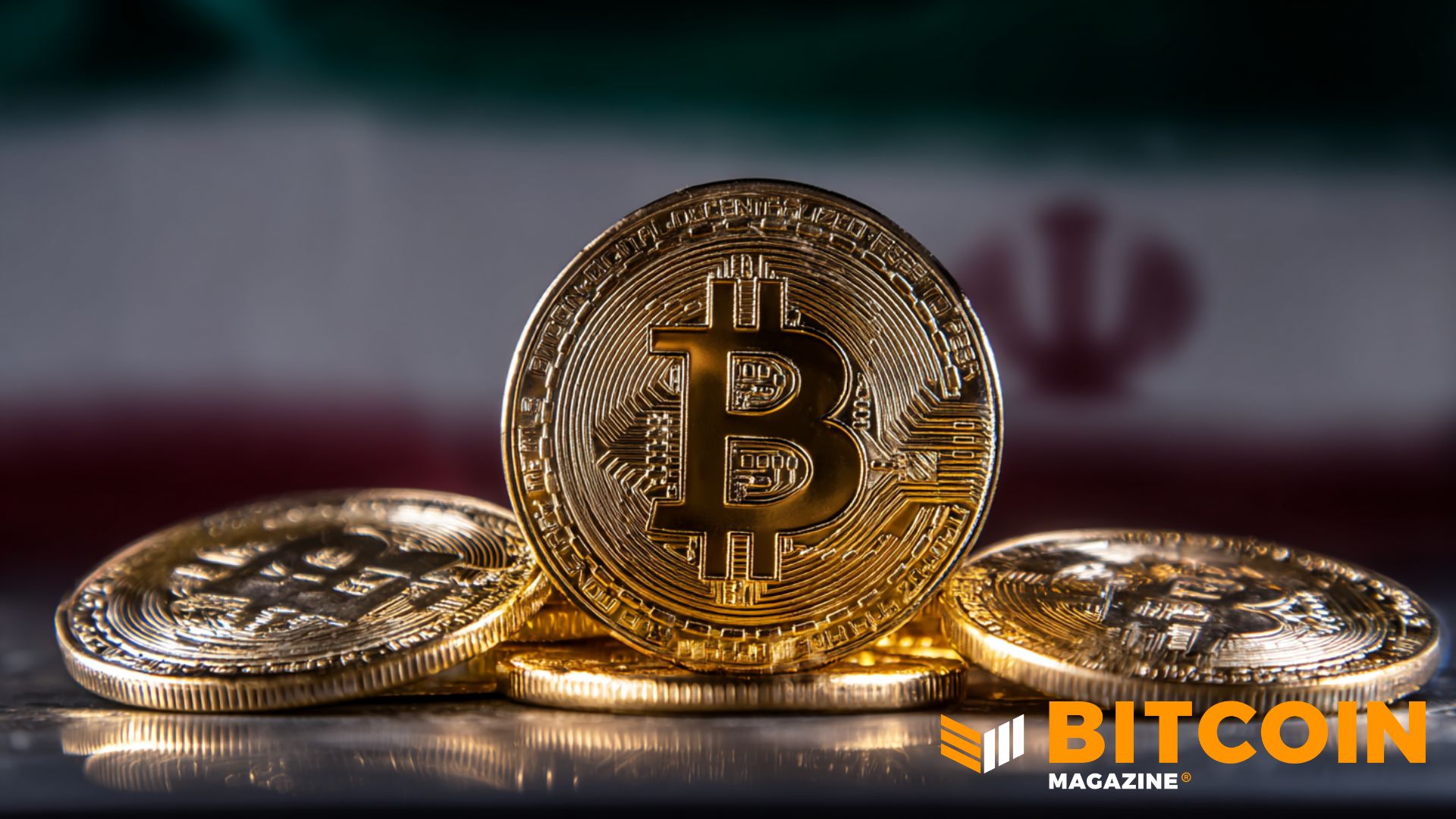
Bitcoin Price Passes $75,000 as Iran War Turns It From ‘Digital Gold’ Into Geopolitical Settlement Bet
Bitcoin surged past $75,000 as geopolitical tensions surrounding Iran conflict prompted traders to reassess the asset's role beyond traditional store-of-value narratives. The price movement reflects both derivative market positioning and growing perception of Bitcoin as a tool for hedging geopolitical risk rather than purely as digital gold.
$BTC
CryptoBullishBitcoinist · Apr 15🔥 8/10

CryptoBearishcrypto.news · Apr 157/10
⛓️
IRS 1099-DA Crypto Rules Land on Tax Day as 53 Million Claim New Exemptions
The IRS 1099-DA crypto reporting requirement debuts on Tax Day 2026, mandating that all Americans disclose digital asset sales and trades from 2025. Treasury data shows 53 million filers have already claimed exemptions under new provisions, signaling significant compliance challenges ahead for the cryptocurrency ecosystem.

GeneralNeutralcrypto.news · Apr 15🔥 8/10
📰
Iran Nuclear Deal Bitcoin Rally: What a 20-Year Freeze Could Unlock
The US has proposed a 20-year freeze on Iran's nuclear program as part of peace negotiations, which could potentially reduce global oil prices below $80 per barrel. This geopolitical development has implications for cryptocurrency markets, particularly Bitcoin, as lower oil prices typically correlate with shifts in macro asset allocation and inflation expectations.

$BTC
GeneralBearishcrypto.news · Apr 15🔥 8/10
📰
Hormuz Oil Bitcoin Watch: China’s Tanker Breaches the Blockade
A Chinese-owned, U.S.-sanctioned tanker successfully transited the Strait of Hormuz, reportedly breaching a U.S. naval blockade. The incident coincided with WTI crude oil rising to $90.4 per barrel on April 15, highlighting geopolitical tensions that historically correlate with cryptocurrency volatility and safe-haven asset demand.

$BTC
GeneralBearishCrypto Briefing · Apr 15🔥 8/10
📰
Iran faces potential economic collapse in three months due to US naval blockade
A US naval blockade threatens Iran with potential economic collapse within three months, creating significant pressure for political concessions. The crisis could destabilize the Middle East and disrupt global energy markets, with ripple effects across commodity and cryptocurrency markets.

GeneralBearishFortune Crypto · Apr 15🔥 8/10
📰
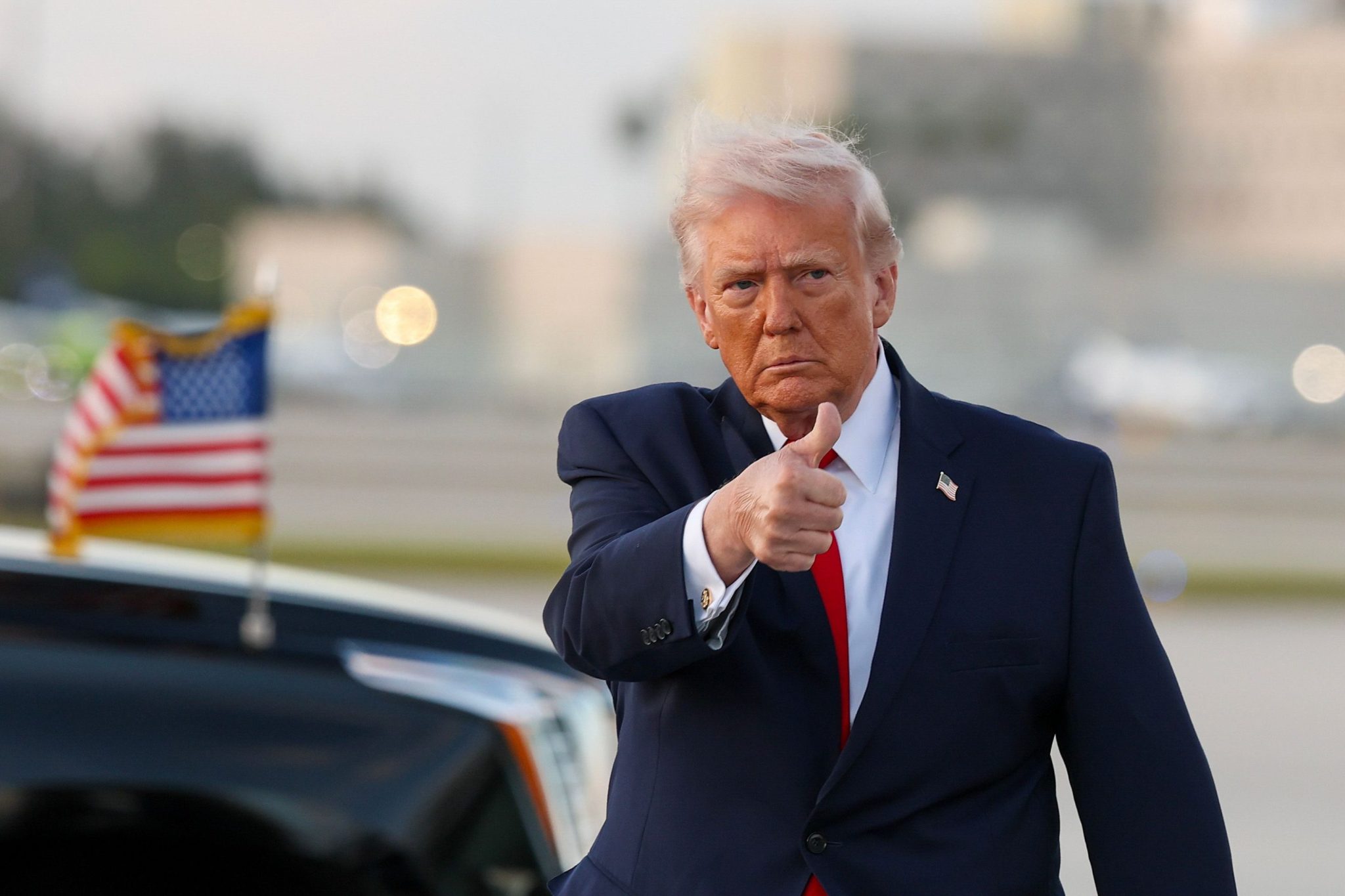
Trump says the Iran war is ‘very close to over’—despite no deal, a live blockade, and threats mounting
President Trump claims the Iran conflict is nearing resolution despite ongoing military blockades of the Strait of Hormuz by both U.S. and Iranian forces and no formal peace agreement in place. Negotiators signal an extended cease-fire could materialize soon, though significant geopolitical tensions remain unresolved.
CryptoNeutralNewsBTC · Apr 15🔥 8/10
⛓️
Here’s How The US-Iran War Is Affecting The Bitcoin, Ethereum, And Dogecoin Prices
Bitcoin, Ethereum, and Dogecoin have rallied to multi-month highs amid US-Iran tensions, driven by expectations of a ceasefire and increased risk-on sentiment. However, analysts warn that despite the recovery, crypto markets remain vulnerable due to elevated leverage positions and the statistical likelihood that bear market bottoms haven't yet formed.

$BTC$ETH$DOGE
CryptoNeutralCoinTelegraph · Apr 157/10
⛓️
UK FCA seeks feedback on guidance for crypto rules ahead of 2027 rollout
The UK Financial Conduct Authority has launched a public consultation on cryptocurrency guidance covering stablecoins, trading, and staking services ahead of implementing a comprehensive crypto regulatory framework in 2027. This consultation phase allows industry stakeholders to provide feedback on proposed rules before the regime formally takes effect.

GeneralBearishCrypto Briefing · Apr 15🔥 8/10
📰
Hezbollah fires rockets at Safed as Lebanon conflict continues
Hezbollah's rocket attacks on Safed signal escalating regional conflict in Lebanon, with potential spillover effects on global oil markets and geopolitical stability. The incident underscores Middle Eastern tensions that could influence cryptocurrency and broader financial market volatility.

CryptoBullishcrypto.news · Apr 157/10
⛓️
Ethereum ETFs hit 4-day inflow streak, will ETH break above $2,400?
U.S. spot Ethereum ETFs experienced their fourth consecutive day of inflows on Tuesday, with $53.03 million in net inflows recorded across ten products as ETH touched $2,400 for the first time since February. This sustained institutional buying pressure signals renewed confidence in Ethereum amid broader market momentum.

$ETH
GeneralBearishFortune Crypto · Apr 15🔥 8/10
📰
With global oil supplies weeks away from systemic shortages, Trump teases an end to the war
Global oil supplies face potential systemic shortages in the coming weeks, creating significant macroeconomic uncertainty. Trump's signals toward ending an ongoing war suggest geopolitical developments that could stabilize energy markets and reduce inflation pressures affecting broader financial markets.
GeneralBullishCoinDesk · Apr 15🔥 8/10
📰
The 100% debt trap: Why the IMF’s latest warning is a massive long-term signal for bitcoin
The IMF projects global public debt will reach approximately 100% of world GDP by 2029, marking a critical threshold that historically signals economic instability. This development is viewed by cryptocurrency advocates as a potential catalyst for Bitcoin adoption as investors seek alternatives to fiat currencies and traditional financial systems.
$BTC
CryptoBullishBlockonomi · Apr 157/10
⛓️
Nasdaq Extends Rally to 10 Sessions as Bitcoin Surges Past $74K
Bitcoin has surged past $74,000 while spot ETFs attract $471 million in daily inflows, coinciding with a 10-day winning streak for the Nasdaq and the S&P 500 approaching record levels. This convergence signals strengthening institutional adoption of cryptocurrency alongside broader equity market recovery.
$BTC
AI × CryptoBearishCoinTelegraph · Apr 15🔥 8/10
🤖
North Korean hackers used AI-enabled social engineering in Zerion attack
North Korean hackers executed a sophisticated attack on Zerion using AI-enabled social engineering tactics, marking the second major long-term social engineering campaign this month following the $280 million Drift Protocol exploit. The incident demonstrates how threat actors are leveraging artificial intelligence to enhance the effectiveness and scale of credential compromise attacks against cryptocurrency platforms.

GeneralBearishcrypto.news · Apr 14🔥 8/10
📰
Fed’s Goolsbee warns rate cuts may be delayed until 2027 on Iran war oil shock
Federal Reserve official Austan Goolsbee warned that rate cuts could be delayed until 2027 if geopolitical tensions in Iran sustain elevated oil prices and keep inflation above the Fed's 2% target. This statement signals the central bank's concern that external shocks may constrain monetary policy flexibility beyond previously anticipated timelines.

GeneralBearishFortune Crypto · Apr 14🔥 8/10
📰
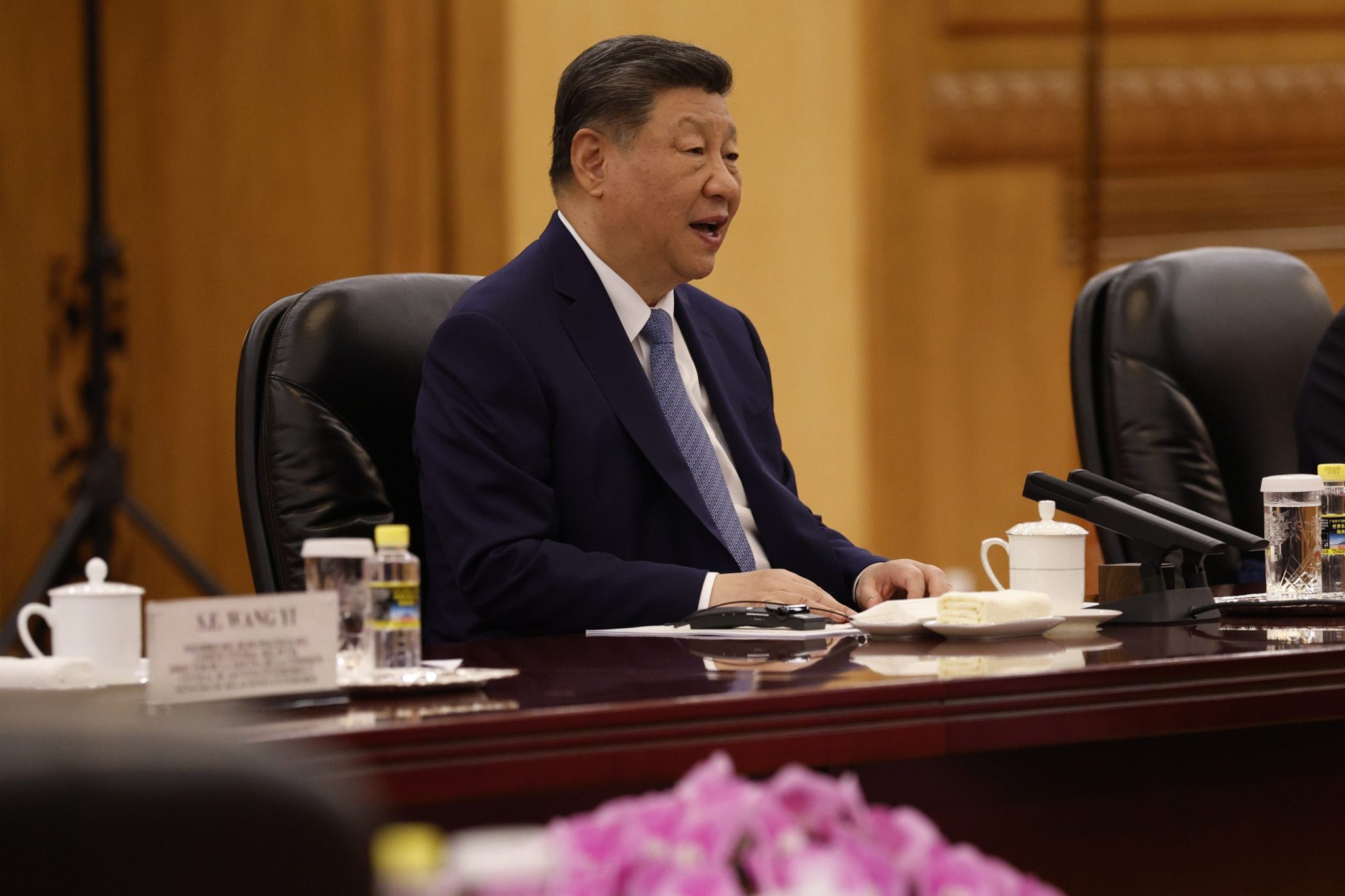
Xi Jinping says the world order is ‘crumbling into disarray.’ Larry Fink and the IMF are worried about a global recession
Xi Jinping warns that the global world order is destabilizing amid geopolitical tensions, trade conflicts, and regional instability, while major financial figures like Larry Fink and IMF officials express concerns about an imminent global recession. These converging macroeconomic and political pressures could reshape investment landscapes and create significant volatility across traditional and digital asset markets.
CryptoBullishCrypto Briefing · Apr 14🔥 8/10
⛓️
Bitwise CIO says Iran conflict is showing Bitcoin’s geopolitical value beyond digital gold
Bitwise's Chief Investment Officer Matt Hougan highlights how geopolitical tensions, particularly involving Iran, demonstrate Bitcoin's expanding utility beyond store-of-value narratives. He argues the asset functions as a neutral global settlement mechanism that transcends traditional financial system constraints during international conflicts.

$BTC
CryptoBullishThe Block · Apr 14🔥 8/10
⛓️
‘Chaos is a ladder’: Bitwise says geopolitical tension lifts bitcoin’s appeal, calls $1 million target a possible baseline price
Bitwise CIO Matt Hougan argues that geopolitical tensions, particularly involving Iran, have strengthened bitcoin's value proposition as a hedge asset, with bitcoin outperforming traditional safe-havens like stocks and gold. Hougan suggests bitcoin could reach $1 million as a baseline price target, positioning cryptocurrency as an increasingly viable store of value during periods of global uncertainty.

$BTC