#ai-regulation News & Analysis
Recent coverage of #ai-regulation reflects mounting policy debate around artificial intelligence systems. Over the past month, 44 articles have touched on the topic, with Anthropic emerging as the most frequently discussed entity in this context, followed by OpenAI. While nearly four in ten recent articles take a cautious tone, bullish sentiment has risen 11 percentage points compared to the prior quarter, suggesting growing optimism about regulatory frameworks.
The discussion spans academic research, industry analysis, and policy perspectives, with arXiv – CS AI, TechCrunch – AI, and Fortune Crypto leading coverage. Scan the article list below to explore how regulators, companies, and researchers are addressing AI governance and oversight.
sentiment · last 30d (44 articles) · +11pp bullish vs prior 90dTop sources:arXiv – CS AI · 21TechCrunch – AI · 20Fortune Crypto · 20Crypto Briefing · 15The Verge – AI · 10
Most-discussed entities:Anthropic · 32OpenAI · 15Claude · 5Grok · 3xAI · 3
AINeutralOpenAI News · Jun 127/105
🧠The National Telecommunications and Information Administration (NTIA) has issued a request for comments on AI accountability policy. This represents a regulatory initiative to gather public input on how artificial intelligence systems should be governed and held accountable.
AINeutralCrypto Briefing · Jun 276/10
🧠The US has approved Anthropic's Mythos AI for limited release to trusted organizations, marking a controlled deployment approach that reflects growing regulatory scrutiny around AI safety. The approval highlights the tension between advancing AI capabilities and ensuring robust security protocols, with implications for how AI systems enter production environments and affect market confidence.
🏢 Anthropic
AIBullishCrypto Briefing · Jun 266/10
🧠The US government has lifted restrictions on Anthropic's Claude Mythos 5 AI model, potentially accelerating development in cybersecurity and biological research. This policy shift signals a recalibration of AI regulation and could influence global technology governance frameworks.
🏢 Anthropic🧠 Claude
AINeutralCrypto Briefing · Jun 266/10
🧠OpenAI has delayed the public release of GPT-5.6 following US government requests for early access to the model. The deferment reflects increasing governmental oversight of advanced AI systems, with regulators prioritizing security and ethical considerations before wider deployment.
🏢 OpenAI🧠 GPT-5
AIBearishFortune Crypto · Jun 266/10
🧠In a Manhattan congressional race, Anthropic and OpenAI collectively spent $27 million supporting candidate Micah Lasher through proxy campaigns. Despite their significant financial backing, Lasher won the election and immediately rejected both companies' influence, pledging to regulate the AI industry regardless of their donations.
🏢 OpenAI🏢 Anthropic
AINeutralTechCrunch – AI · Jun 266/10
🧠OpenAI has limited the rollout of GPT-5.6 following a government request, but the company publicly stated that such government access restrictions should not become standard practice. OpenAI argues that restricted access prevents developers, enterprises, and cybersecurity professionals from accessing critical tools they need.
🏢 OpenAI🧠 GPT-5
AINeutralDecrypt · Jun 256/10
🧠California established the nation's first AI unemployment tracker to monitor whether artificial intelligence is causing measurable job displacement. The initiative reflects growing policy concerns about AI's labor market impact as policymakers seek concrete data on whether widespread job losses from automation are materializing.
AIBearishCrypto Briefing · Jun 256/10
🧠Anthropic has suspended its universal model amid backlash over identity verification requirements for US users accessing Fable 5, creating tension between regulatory compliance and platform accessibility. The move highlights the growing friction between AI companies' compliance obligations and user concerns about privacy and access restrictions.
🏢 Anthropic
AINeutralCrypto Briefing · Jun 246/10
🧠OpenAI has publicly endorsed the bipartisan DEFIANCE Act, legislation designed to combat explicit deepfakes. This endorsement reflects growing recognition within the AI industry that voluntary compliance is insufficient and that formal legal frameworks are necessary to address potential harms from advanced AI technologies.
🏢 OpenAI
AINeutralCrypto Briefing · Jun 246/10
🧠Anthropic has shifted its White House AI policy representation from CEO Dario Amodei to cofounder Tom Brown, signaling a strategic recalibration in how the company engages with U.S. regulatory discussions. This leadership change in high-stakes government talks may influence the direction of emerging AI regulatory frameworks and compliance standards that could have global implications.
🏢 Anthropic
AIBearishWired – AI · Jun 246/10
🧠Anthropic's CEO Dario Amodei has been sidelined from White House meetings, with cofounder Tom Brown taking his place in high-stakes discussions. A Trump administration official reportedly called Amodei a "weirdo," signaling potential friction between the AI company leadership and the current administration.
🏢 Anthropic
AIBearishCrypto Briefing · Jun 236/10
🧠Corporate-backed AI super PACs have spent $27 million to influence New York's 12th congressional district primary, signaling unprecedented political mobilization around artificial intelligence policy. This spending surge reflects growing corporate efforts to shape tech regulation through electoral influence, potentially determining which candidates advance policies favorable to AI development.
AIBullishCrypto Briefing · Jun 236/10
🧠Prosus has unveiled ToqanClaw, positioning it as Europe's first GDPR-compliant no-code AI platform. The launch emphasizes data sovereignty and regulatory compliance, potentially setting new standards for AI adoption across the EU and influencing global AI governance frameworks.
AINeutralMIT Technology Review · Jun 236/10
🧠The Download newsletter covers two major tech stories: ASML's $400 million advanced chipmaking machine that represents the future of semiconductor manufacturing, and Anthropic's clash with government regulators over AI policy. These developments highlight the intersection of hardware innovation and regulatory challenges shaping the AI industry.
🏢 Anthropic
AINeutralCrypto Briefing · Jun 236/10
🧠The United Nations is calling for AI companies to disclose their environmental costs by 2030, recognizing that unchecked AI growth threatens global resources. The directive emphasizes the need for greater transparency and sustainable practices to address the sector's escalating environmental footprint.
AIBearishCrypto Briefing · Jun 226/10
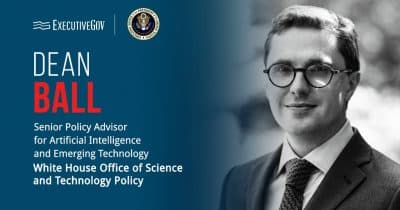
🧠OpenAI's Dean Ball has raised concerns that centralized government AI oversight could create regulatory monopolies, stifle innovation, and distort market dynamics. Ball's warning highlights growing tensions between AI governance needs and decentralized market approaches, with significant implications for how AI regulation develops globally.
🏢 OpenAI
AIBearishTechCrunch – AI · Jun 196/10
🧠The article examines Anthropic's cybersecurity model Mythos in the context of three decades of failed export controls on cybersecurity software, arguing that government restrictions on dual-use technology have consistently proven ineffective at preventing proliferation. The piece questions whether regulatory approaches to AI-based security tools will succeed where encryption and spyware controls have failed.
🏢 Anthropic
AINeutralCrypto Briefing · Jun 196/10
🧠Anthropic's Mythos AI platform remains accessible to early users despite a US government shutdown order, exposing regulatory challenges in managing advanced AI systems. The incident underscores ongoing tensions between innovation momentum and government security oversight.
🏢 Anthropic
AINeutralCrypto Briefing · Jun 186/10
🧠Anthropic is actively lobbying US Commerce Secretary Marco Lutnick to reverse restrictions on its AI models, signaling tensions between regulatory oversight and commercial AI development. This effort underscores the regulatory uncertainty facing major AI companies operating within US jurisdiction and their attempts to influence policy outcomes.
🏢 Anthropic
AIBearishArs Technica – AI · Jun 186/10
🧠Senator Bernie Sanders has proposed a $7 trillion wealth fund designed to distribute ownership of AI companies to American citizens, positioning the plan as a counterweight to concentrated corporate control of artificial intelligence. The proposal directly challenges major tech firms' dominance in the AI sector and reflects growing political concern about wealth inequality in emerging technologies.
AINeutralTechCrunch – AI · Jun 186/10
🧠Guardrails, a PAC backed by tech workers, is launching a $5M grassroots political initiative to counter Big Tech's dominant $100M+ lobbying spending. The group positions itself as a populist movement funded by small donations from AI industry insiders, aiming to shift political influence away from established tech giants.
AINeutralCrypto Briefing · Jun 186/10
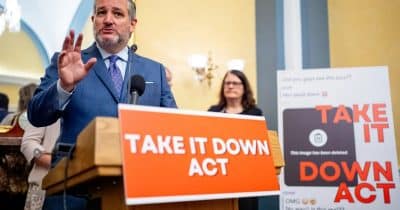
🧠An anti-deepfake bill has advanced to the Senate floor, introducing new regulatory requirements for AI-generated content. The legislation's swift passage reflects growing Congressional momentum on AI regulation and signals broader policy shifts that may accelerate future technology oversight.
AINeutralCrypto Briefing · Jun 116/10
🧠Lawmakers and technology companies are collaborating on proposals to distribute the economic benefits of the AI boom more broadly across society. These initiatives could reshape economic structures, influence investment strategies, and redefine how public and private sectors partner on AI development and wealth distribution.
AINeutralBlockonomi · Jun 116/10
🧠Anthropic CEO Dario Amodei has publicly compared artificial intelligence risks to nuclear weapons and called for Congress to implement mandatory federal safety testing regulations. While the warning reflects growing concerns within the AI industry about existential risks, analysts assess that comprehensive AI legislation faces less than 30% odds of passage in the current political environment.
🏢 Anthropic
AIBearishCrypto Briefing · Jun 116/10
🧠Ron DeSantis rejects federal AI preemption, advocating for state-level AI regulation instead. This stance could fragment AI governance across states, raising compliance costs for technology companies and creating a patchwork regulatory environment.