DeFiBearishBlockonomi · Apr 21🔥 8/10
💎Kelp DAO experienced a $292M security breach through a LayerZero bridge exploit, exposing Aave to up to $230M in potential bad debt. The incident highlights critical vulnerabilities in cross-chain protocols and raises questions about responsibility allocation between platforms in the DeFi ecosystem.
$AAVE
DeFiBearishNewsBTC · May 77/10
💎Aave experienced a $170-230 million bad debt crisis in April 2026 after attackers exploited a Kelp DAO vulnerability to deposit stolen rsETH as collateral, causing AAVE token to collapse to $93.90 despite the protocol's own code remaining uncompromised. Market data shows retail panic selling coinciding with whale accumulation at lower levels, suggesting early-stage recovery conditions are forming.
$ETH$XRP$AAVE🧠 ChatGPT
DeFiBearishNewsBTC · Apr 217/10
💎A $292 million exploit on Kelp's bridge resulted in $200 million of bad debt on Aave V3, triggering a $6.6 billion TVL outflow and a 23% price decline for AAVE token. Although Aave's code was never compromised, the protocol faces a liquidity crisis as users lose confidence in its ability to manage collateral risk.
$ETH$XRP$AAVE🧠 ChatGPT
DeFiBearishBankless · Apr 207/10
💎An attack on rsETH has cascading effects across DeFi, leaving Aave V3 unable to process withdrawals for many users while the protocol manages hundreds of millions in accumulated bad debt. The incident highlights systemic risks in interconnected lending protocols and the vulnerability of restaking mechanisms to exploitation.
$AAVE
DeFiBearishThe Defiant · Apr 207/10
💎Aave service providers have quantified the protocol's exposure from a Kelp DAO exploit at between $124M and $230M in potential bad debt, with the final impact depending on how losses are allocated. The incident stems from a compromised bridge configuration, with LayerZero and Kelp DAO continuing to dispute responsibility.
$AAVE
DeFiBearishThe Defiant · Apr 207/10
💎Multiple DeFi tokens including AAVE, ZRO, LDO, and ENA experienced sharp declines of 10–22% as market participants repriced risk across interconnected DeFi protocols following a significant bad debt event. LayerZero faced particular scrutiny, with market pricing suggesting it bears comparable responsibility to the originating lender, highlighting the systemic risks embedded in DeFi's composability.
$AAVE
DeFiBearishBlockonomi · Apr 207/10
💎Spark Protocol's early January 2025 delisting of rsETH proved prescient as a security incident later emerged, demonstrating effective risk management. Meanwhile, Aave faces critical ETH liquidity stress with markets across multiple chains at 100% utilization, creating vulnerability to price volatility and potential bad debt accumulation.
$ETH$AAVE$ARB
DeFiBearishCoinDesk · Apr 197/10
💎Aave experienced a $6 billion TVL outflow following a Kelp DAO hack where attackers drained rsETH and used it as collateral to borrow wrapped ether, exposing structural vulnerabilities in the lending protocol. The AAVE token declined 16% as the platform quantifies potential bad debt from the incident.
$ETH$AAVE
DeFiBearishDecrypt – AI · Apr 107/10
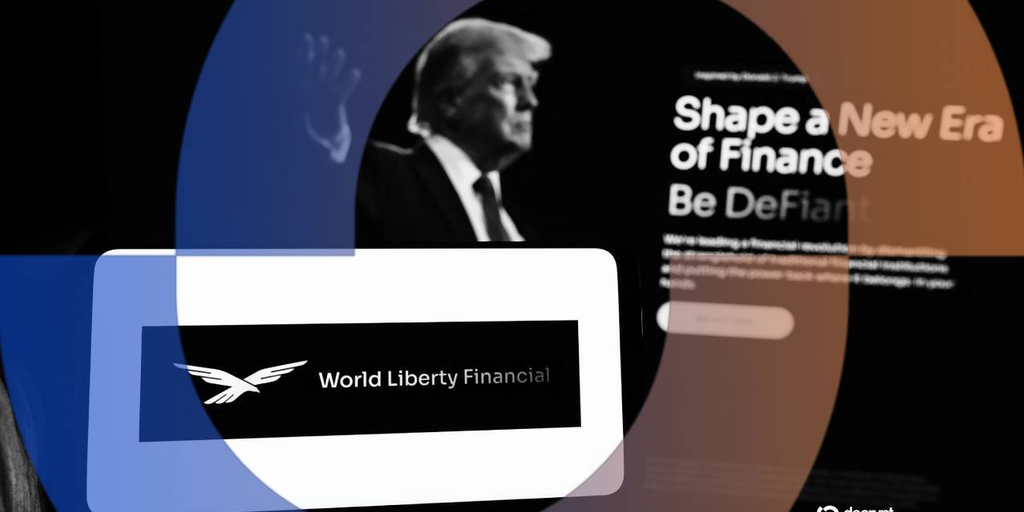
💎World Liberty Financial (WLFI), a Trump-linked DeFi platform, lost $427 million in market capitalization following concerns about a large loan extended through Dolomite protocol and a proposed token unlock. The incident highlights risks in DeFi protocols when exposure to single borrowers becomes significant enough to threaten protocol solvency.
DeFiNeutralcrypto.news · May 16/10
💎Curve Finance has introduced a bad-debt recovery framework that tokenizes CRV-linked losses as tradable onchain claims through crvUSD-debt pools. This mechanism shifts from traditional socialized bailouts to market-driven pricing of losses, allowing the protocol to formalize debt recovery while enabling traders to speculate on recovery outcomes.
$CRV
DeFiBullishBlockonomi · Apr 216/10
💎Dragonfly Capital's Haseeb Qureshi asserts that Aave possesses sufficient capital reserves to absorb potential bad debt, addressing ongoing concerns about DeFi protocol solvency. The statement reflects confidence in DeFi's structural resilience, drawing parallels to how traditional finance evolved through historical banking crises.
$AAVE