GeneralBearishFortune Crypto · Jun 107/10
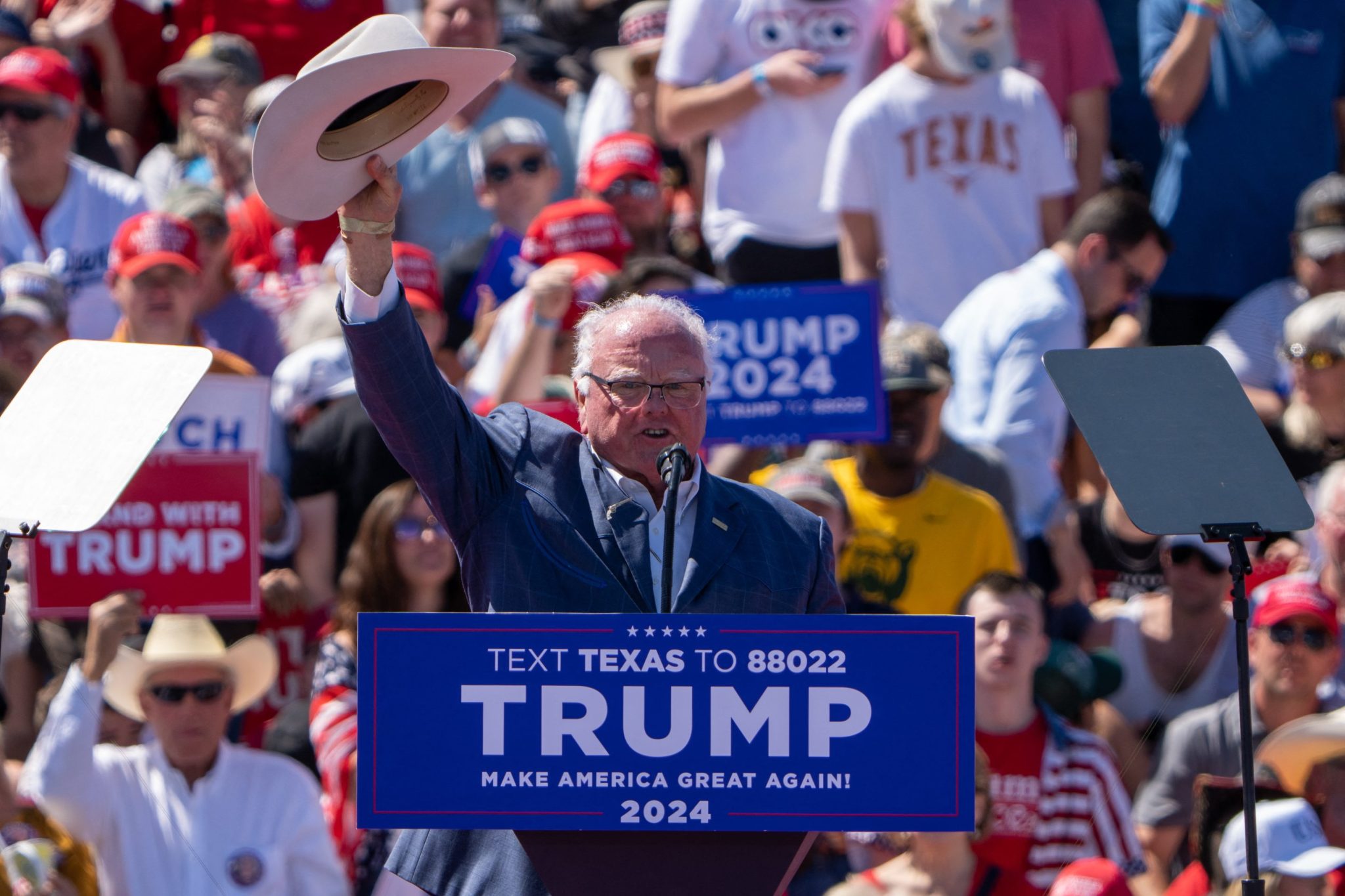
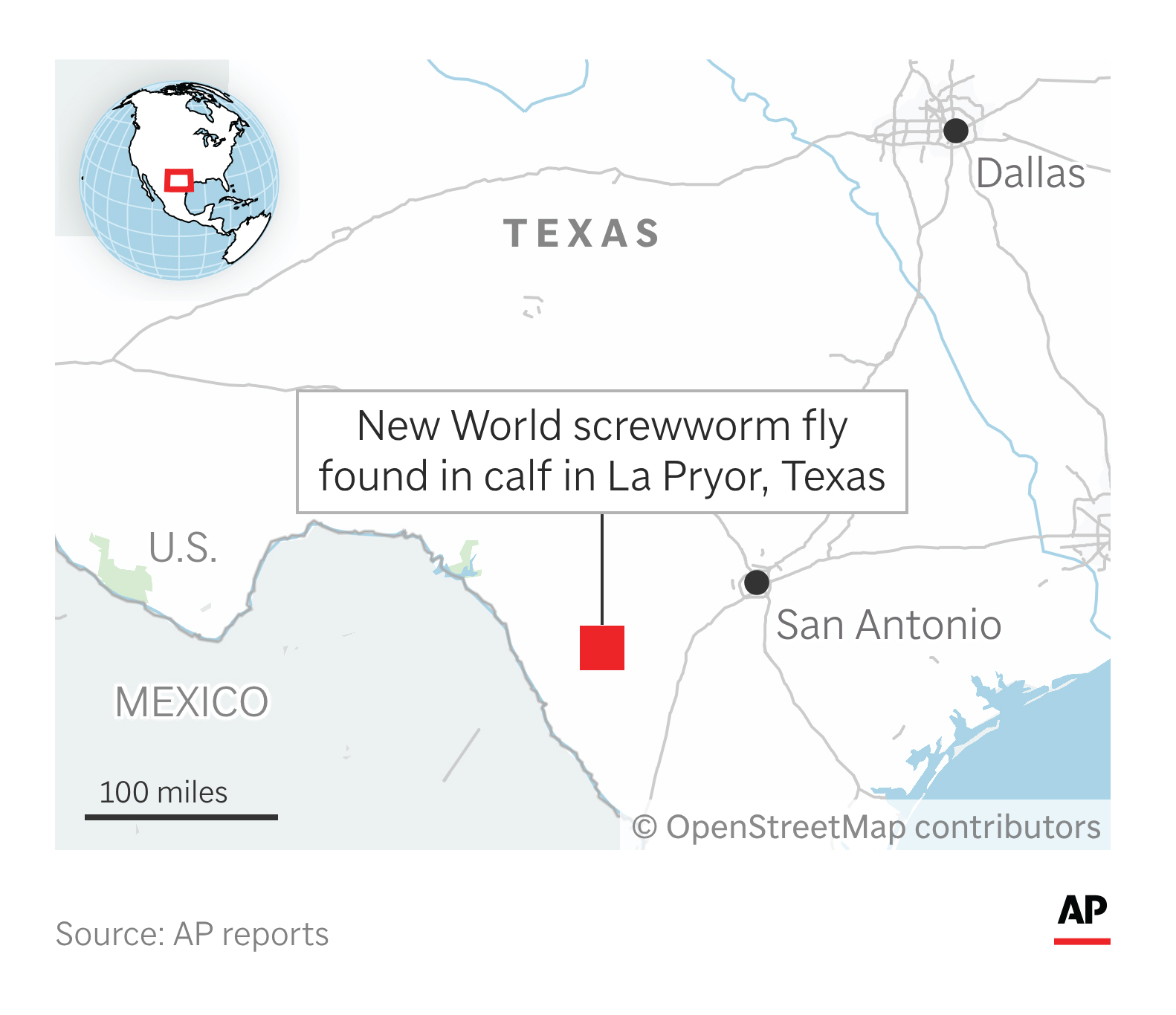
📰The New World screwworm fly, a parasitic pest that consumes living flesh, has been detected in Texas for the first time since 1966, prompting public criticism from Texas agriculture officials toward the USDA over biosecurity and eradication efforts. The discovery poses a significant threat to the U.S. beef supply and livestock industry, potentially triggering economic consequences and trade restrictions.
AIBearisharXiv – CS AI · Jun 107/10
🧠Researchers introduced ABC-Bench, a benchmark testing LLM agents on biosecurity-relevant tasks including DNA design and synthesis screening evasion. All tested AI agents outperformed human expert baselines, with OpenAI's o4-mini-high successfully generating functional wet-lab scripts, raising urgent questions about AI capabilities in dual-use biological research.
🏢 OpenAI
AINeutralarXiv – CS AI · Jun 107/10
🧠Researchers introduce VFUSE, a mechanistic interpretability tool using sparse autoencoders to audit protein design models for hazardous features. The approach successfully identifies virulent design patterns in popular open-weight models like RoseTTAFold3 and RFDiffusion3, achieving up to 0.84 AUROC detection rates while maintaining model performance.
AINeutralThe Verge – AI · Jun 47/10
🧠Major AI industry leaders including Dario Amodei, Sam Altman, and Mustafa Suleyman have jointly urged US Congress to implement regulatory controls on synthetic DNA and RNA sales to prevent misuse in developing biological weapons. The open letter highlights a critical biosecurity gap where genetic material can be ordered online and assembled into dangerous pathogens, posing pandemic risks that AI tools could accelerate.
🏢 OpenAI🏢 Anthropic
AINeutralCrypto Briefing · Jun 47/10
🧠OpenAI and Anthropic have called on Congress to implement regulations governing synthetic DNA sales, citing concerns that AI advancement is lowering barriers to bioweapon development. The proposed regulation could consolidate market power among larger firms while advancing biosecurity technologies, potentially hindering decentralized science initiatives.
🏢 OpenAI🏢 Anthropic
AINeutralWired – AI · Jun 47/10
🧠OpenAI, Anthropic, and other AI industry leaders have signed a letter to lawmakers advocating for improved tracking and regulation of synthetic DNA sequences to prevent their misuse in developing biological weapons. The initiative reflects growing concern within the AI community about dual-use risks associated with advanced AI capabilities.
🏢 OpenAI🏢 Anthropic
GeneralBearishFortune Crypto · Jun 37/10
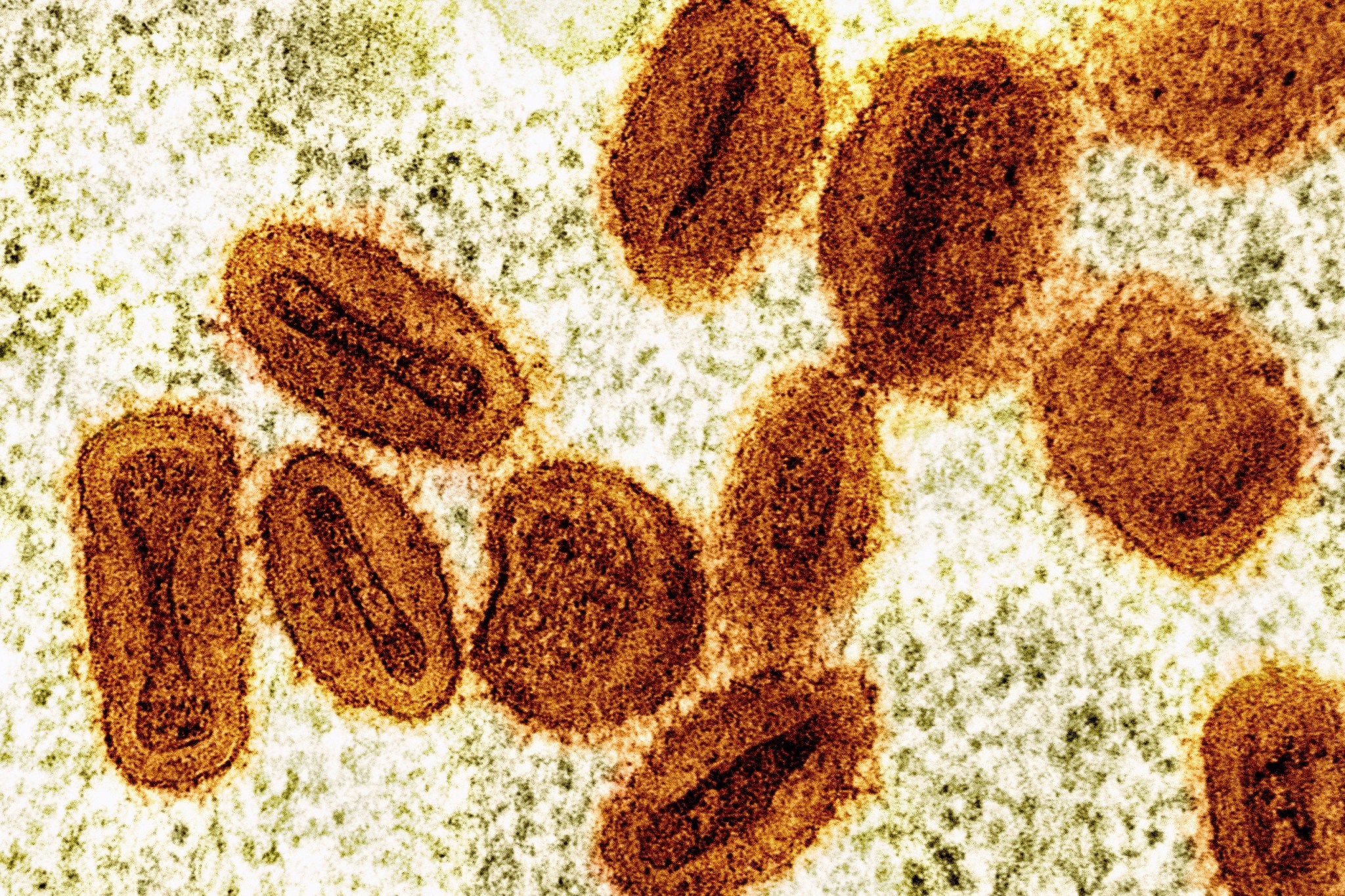
📰Two U.S. government virologists smuggled Mpox virus vials into the country without proper authorization or documentation, with one scientist claiming during FBI questioning that he routinely conducts such transfers. The incident raises serious biosecurity concerns regarding oversight of government scientists handling dangerous pathogens and the adequacy of existing protocols.
AIBearisharXiv – CS AI · May 297/10
🧠Researchers introduce BioRefusalAudit, a framework using sparse autoencoders to evaluate the structural integrity of language model biosecurity refusals. The study reveals that five tested models fail to cleanly distinguish hazardous from benign biology, with refusals often disappearing under prompt formatting changes or output constraints, and some models refusing based on legality rather than actual biological hazard.
🧠 Llama
AINeutralarXiv – CS AI · Feb 277/105
🧠A research study found that novice users with access to large language models were 4.16 times more accurate on biosecurity-relevant tasks compared to those using only internet resources. The study raises concerns about dual-use risks as 89.6% of participants reported easily obtaining potentially dangerous biological information despite AI safeguards.
AINeutralOpenAI News · Jun 187/104
🧠Advanced AI technologies are being developed to transform biology and medicine, but they pose significant biosecurity risks. Proactive measures are being implemented to assess AI capabilities and establish safeguards to prevent potential misuse of these powerful biological applications.
AINeutralOpenAI News · Jan 317/103
🧠Researchers developed a framework to assess whether large language models could help create biological threats, testing GPT-4 with biology experts and students. The study found GPT-4 provides only mild assistance in biological threat creation, though results aren't conclusive and require further research.
GeneralBearishFortune Crypto · Jun 56/10
📰A flesh-eating fly species (screwworm) has re-entered Texas for the first time in 30 years, prompting the USDA to deploy 4 million sterile flies weekly to control the outbreak. The $113 billion cattle industry faces potential economic disruption as authorities mobilize to prevent the pest from spreading, drawing parallels to a previous eradication effort that took three decades.
AINeutralOpenAI News · Jun 46/10
🧠This article outlines a strategic action plan for leveraging AI technology to strengthen biological defense and pandemic preparedness. The proposal frames artificial intelligence as a critical tool for detecting, responding to, and mitigating biological threats in an increasingly complex threat landscape.
GeneralNeutralMIT Technology Review · May 114/10
📰The Download newsletter covers two disparate stories: a hantavirus outbreak affecting eight passengers on a Dutch cruise ship, and the ongoing legal dispute between Elon Musk and Sam Altman regarding OpenAI's direction. The article provides a snapshot of current events impacting technology and public health sectors.