GeneralBullishCrypto Briefing · Jun 237/10
📰Intel's stock rallied following reports of a potential collaboration with Apple on chip manufacturing and renewed government support. The development signals strengthening U.S. semiconductor industry positioning and could accelerate domestic chip production capacity.
GeneralBullishBlockonomi · Jun 197/10
📰Intel appoints Seok-Hee Lee, former CEO of SK Hynix, to lead advanced packaging and manufacturing at its Foundry division, driving a stock price increase. The move signals Intel's strategic commitment to strengthening its foundry business through experienced semiconductor leadership.
GeneralBullishCrypto Briefing · Jun 187/10
📰Apple and Intel have announced a partnership for a $600 billion domestic semiconductor initiative aimed at strengthening US manufacturing capacity and reducing dependence on foreign semiconductor suppliers. The collaboration signals a major shift in the global chip supply chain, with significant implications for national security and industrial competitiveness.
AIBullishBlockonomi · Jun 97/10
🧠Intel's stock surged 11% following announcements of a major Google order for over 3 million TPUs and an expanded partnership with Cadence Design Systems. The news also included reports that Nvidia is evaluating Intel's 18A semiconductor process for future GPU development, signaling growing confidence in Intel's manufacturing capabilities.
🏢 Nvidia
AIBullishBlockonomi · Jun 87/10
🧠Intel, Micron, and Apple dominated market action as AI infrastructure investment accelerated. Intel surged on Alphabet foundry partnership rumors, Micron rallied on semiconductor demand strength, and Apple's WWDC kicked off with AI-focused announcements, signaling tech giants' commitment to AI infrastructure and chip advancement.
AIBullishBlockonomi · Jun 87/10
🧠Intel's stock jumped 11% on Monday following reports of potential major orders from Google for 3 million AI chips by 2028, alongside speculation about manufacturing partnerships with Nvidia and Tesla. The surge reflects growing demand for AI semiconductors and Intel's efforts to secure contracts as it competes in the booming AI chip market.
🏢 Nvidia
AIBullishBlockonomi · Jun 57/10
🧠Foxconn raised its Q2 revenue guidance after achieving record May performance with 39.57% year-over-year growth to NT$859.4 billion. The surge is driven by accelerating demand for AI server racks and new partnerships with Intel and SK Group, signaling robust momentum in enterprise AI infrastructure markets.
AIBullishFortune Crypto · Jun 37/10
🧠Intel's new CEO Lip-Bu Tan has implemented significant operational restructuring, cutting management layers in half while securing major capital infusions from Nvidia and SoftBank within 13 months. The company's stock has surged nearly 500%, reflecting investor confidence in the turnaround strategy as Intel works to regain competitiveness in AI chip manufacturing.
🏢 Nvidia
AIBullishCrypto Briefing · Jun 17/10
🧠Nvidia is entering the personal computer market with a new AI chip designed to compete against Intel and AMD's processors. This move could shift AI processing from cloud servers to individual devices, potentially improving user data privacy and creating a significant competitive challenge for established PC chipmakers.
🏢 Nvidia
AIBearishBlockonomi · Jun 17/10
🧠Intel's stock fell approximately 5% in premarket trading after NVIDIA announced a competing PC chip on the same day Intel launched its Crescent Island AI GPU. The simultaneous product announcements highlight intensifying competition in the PC processor market, with NVIDIA leveraging its AI momentum to challenge Intel's traditional computing dominance.
🏢 Nvidia
AINeutralCrypto Briefing · Jun 17/10
🧠Nvidia announced a new Arm-based PC superchip that triggered market volatility, with Intel and AMD shares declining while Nvidia's stock rose. The move represents a significant architectural shift that could challenge the x86 dominance long held by Intel and AMD in the PC processor market.
🏢 Nvidia
AIBullishCrypto Briefing · Jun 17/10
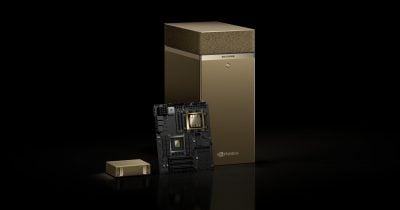
🧠Nvidia has unveiled the GB10 Grace Blackwell Superchip, a new processor designed to democratize AI computing by reducing costs and enabling broader access to powerful AI capabilities. The chip positions Nvidia to compete directly with Apple and Intel in the personal AI computing market, representing a significant shift toward making advanced AI technology more accessible to businesses and developers.
🏢 Nvidia
GeneralBullishCrypto Briefing · May 297/10
📰Intel and 3DGS are establishing a $3.3 billion substrate manufacturing plant in India, a move designed to strengthen India's semiconductor ecosystem and reduce the country's reliance on imported substrates. This investment reflects broader efforts to diversify and localize global chip supply chains amid geopolitical tensions and supply chain vulnerabilities.
AIBullishCrypto Briefing · May 117/10
🧠Intel, Micron, and Qualcomm shares reached record highs at market open, driven by robust demand for AI-related semiconductor chips. The surge underscores how artificial intelligence adoption is reshaping the technology sector, though experts warn that volatility could emerge if AI growth trajectories slow or supply chain dynamics shift.
GeneralBullishBlockonomi · May 117/10
📰Intel's stock surged 14% following announcements of preliminary negotiations with Apple for chip manufacturing and talks with SK Hynix. The developments signal growing confidence in Intel's foundry business expansion as it seeks to diversify revenue beyond its traditional processor manufacturing.
GeneralBullishCrypto Briefing · Apr 187/10
📰Intel's CEO has announced strategic partnerships with Terafab and Google while acquiring a 49% stake in an Irish semiconductor fabrication facility. These moves aim to strengthen U.S. semiconductor supply chain independence and reduce reliance on concentrated global manufacturing, with potential long-term implications for chip market structure and geopolitical tech competition.
AIBullishBlockonomi · Apr 67/10
🧠KeyBanc raised Intel's price target to $70 and maintained Micron's target at $600, citing AI server demand driving chip shortages. The analysis anticipates price surges by Q2 2026 as supply constraints continue in the AI chip market.
AIBullishWired – AI · Apr 67/10
🧠Intel is making a major strategic bet on advanced chip packaging technology, positioning itself at the center of the AI boom. This technical focus on packaging could potentially generate billions in revenue as AI demand drives need for more sophisticated chip assembly and interconnection solutions.
AINeutralBlockonomi · Mar 267/10
🧠AMD reported strong performance with $34.6B revenue driven by AI growth, while Intel faces challenges with flat sales. Market analysts have upgraded AMD to 'Moderate Buy' while downgrading Intel to 'Reduce', highlighting the diverging trajectories of the two chip giants.
AIBullishBlockonomi · Mar 167/10
🧠Intel stock surged 4.4% following news of potential collaboration with Nvidia, along with AI partnerships with Ericsson and Infosys. The rally was also driven by progress reports on Intel's advanced 18A manufacturing process.
🏢 Nvidia
AIBullishHugging Face Blog · Oct 167/108
🧠Google Cloud announced its C4 compute instances deliver 70% total cost of ownership (TCO) improvement for GPT open-source models through collaboration with Intel and Hugging Face. This development represents a significant cost reduction for AI model deployment and training workloads.
GeneralBullishBlockonomi · Jun 256/10
📰Intel stock jumped 6% in premarket trading following Micron's strong earnings report and consecutive Wall Street upgrades, with Goldman Sachs initiating coverage at $150 and Bank of America raising its price target to $160. The semiconductor sector momentum reflects growing investor confidence in memory chip demand and competitive positioning.
AINeutralCrypto Briefing · Jun 236/10
🧠China launched an AI zone at its International Supply Chain Expo, featuring major tech companies including Nvidia, Intel, and Alibaba. The initiative demonstrates China's strategic push to position itself as a global AI leader while attracting international investment and fostering cross-border technological collaboration.
🏢 Nvidia
AIBullishBlockonomi · Jun 236/10
🧠Bank of America has raised Intel's price target to $160, citing strengthening fundamentals driven by robust AI demand and a semiconductor market expected to reach $2.7 trillion by 2030. The upgrade reflects growing optimism about Intel's positioning in the high-growth AI infrastructure segment.
AIBullishCrypto Briefing · Jun 236/10
🧠Super Micro Computer has expanded its edge AI system lineup with Intel-powered processors, enhancing real-time processing capabilities for sectors requiring immediate, localized AI inference. This development reflects growing demand for edge computing solutions that process data locally rather than relying on cloud infrastructure.