GeneralNeutralCrypto Briefing · Aug 15/10
#sanctions News & Analysis
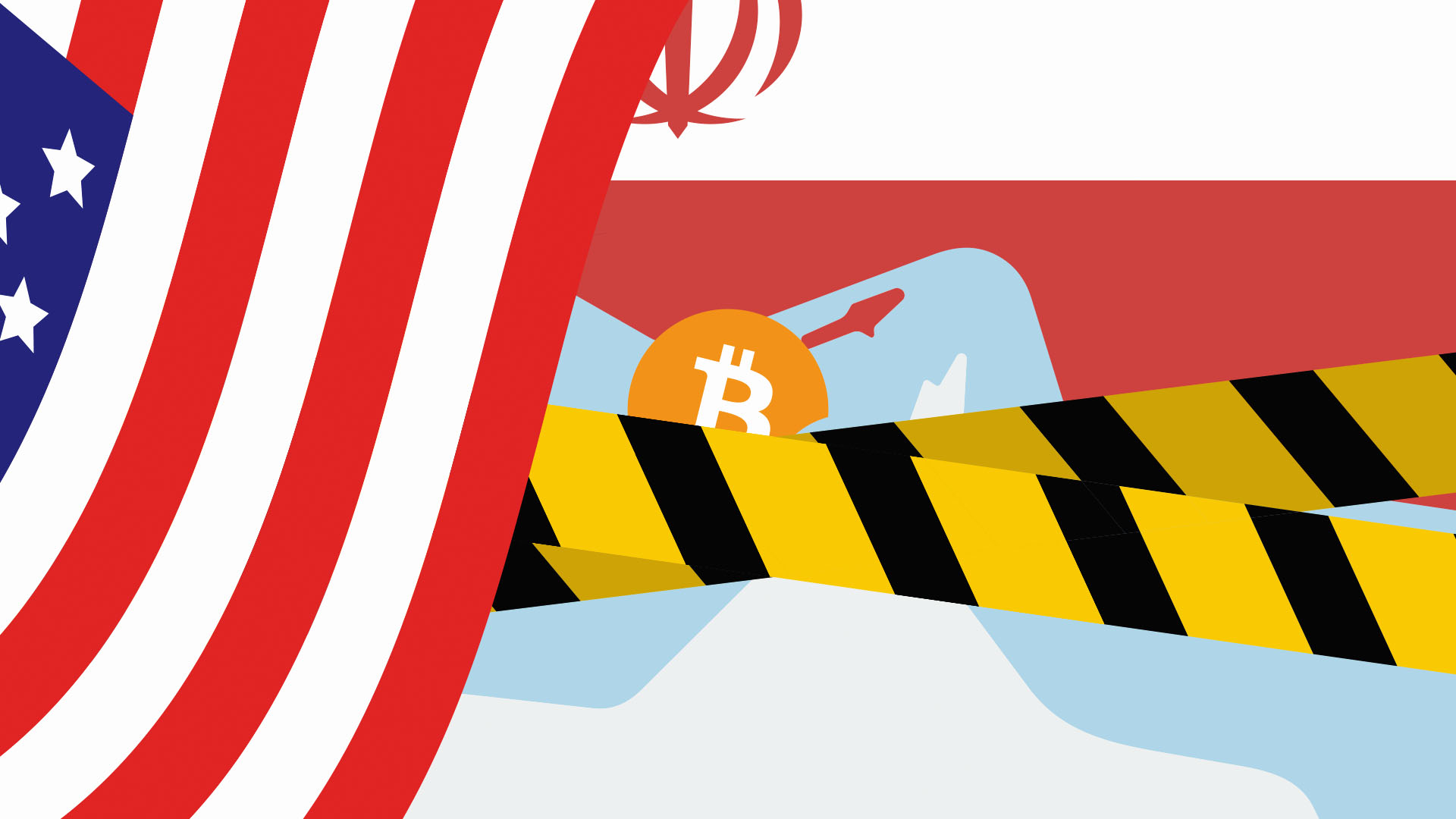
Over the past month, #sanctions has been a dominant theme across crypto news coverage, with 355 articles published in the last 30 days out of 444 total indexed pieces. The overwhelming majority of coverage—76.3 percent—carries bearish sentiment, reflecting concerns about regulatory pressure and geopolitical restrictions on cryptocurrency activity. This negative tone has remained largely stable compared to the previous quarter. Discussion of #sanctions frequently intersects with geopolitical topics, particularly regarding Iran and broader Middle East developments. Major cryptocurrencies including Bitcoin and Ethereum feature prominently in sanctions-related reporting. Crypto Briefing has been the primary source covering these developments. Explore the articles below to understand how sanctions are shaping the current crypto landscape.
sentiment · last 30d (355 articles)
Top sources:Crypto Briefing · 317Fortune Crypto · 34crypto.news · 12NewsBTC · 12CoinTelegraph · 10
Often co-tagged with:#iran#geopolitics#geopolitical-risk#middle-east#market-volatility#strait-of-hormuz
Most-discussed entities:Nvidia · 2ChatGPT · 1
1322 articles
GeneralNeutralCrypto Briefing · Aug 15/10
GeneralNeutralCrypto Briefing · Aug 15/10

GeneralNeutralCrypto Briefing · Aug 15/10

GeneralNeutralcrypto.news · Aug 15/10
GeneralNeutralCrypto Briefing · Jul 315/10

GeneralNeutralBitcoin Magazine · Jul 315/10

GeneralNeutralDecrypt – AI · Jul 315/10
GeneralNeutralCrypto Briefing · Jul 315/10

GeneralNeutralCrypto Briefing · Jul 315/10

GeneralNeutralCrypto Briefing · Jul 315/10

GeneralNeutralCrypto Briefing · Jul 305/10

GeneralNeutralCrypto Briefing · Jul 305/10

GeneralNeutralCrypto Briefing · Jul 305/10

GeneralNeutralCrypto Briefing · Jul 305/10

GeneralNeutralProtos · Jul 305/10
GeneralNeutralcrypto.news · Jul 305/10

GeneralNeutralCrypto Briefing · Jul 295/10

GeneralNeutralCrypto Briefing · Jul 295/10

GeneralNeutralCrypto Briefing · Jul 295/10

GeneralNeutralCrypto Briefing · Jul 295/10

GeneralNeutralCrypto Briefing · Jul 295/10

GeneralNeutralCrypto Briefing · Jul 295/10

GeneralNeutralCrypto Briefing · Jul 295/10

GeneralNeutralCrypto Briefing · Jul 295/10