CryptoBearishProtos · Apr 177/10
⛓️Solana's foundation maintains a '100% uptime' claim despite the Harmonic Major validator experiencing 32 delinquencies over 30 days, revealing a significant discrepancy between cluster-level and individual validator performance metrics. This highlights ongoing reliability concerns for the blockchain network and questions the accuracy of uptime messaging.
$SOL
CryptoBullishCrypto Briefing · Jun 267/10
⛓️FIFA is integrating blockchain technology into World Cup ticketing to manage record-breaking demand for the Portugal vs. Colombia match. This move leverages distributed ledger technology to enhance transparency and provide better market controls over the secondary ticket market, signaling major sports organizations' growing adoption of blockchain solutions.
CryptoNeutralcrypto.news · Jun 257/10
⛓️Following FTX's collapse, 'proof of reserves' became a critical industry standard for exchanges to demonstrate solvency. The article examines what these attestations actually verify, their limitations, and how investors can distinguish genuine transparency efforts from marketing tactics.
DeFiBullishCrypto Briefing · Jun 257/10
💎Kraken has partnered with Maple Finance to launch an onchain OTC lending facility, potentially transforming institutional crypto lending through enhanced transparency and reduced dependence on traditional centralized models. This collaboration signals growing institutional appetite for decentralized lending infrastructure.
AINeutralarXiv – CS AI · Jun 257/10
🧠Researchers introduce Xcientist, a research harness that makes AI scientific reasoning transparent and auditable by externalizing research synthesis into inspectable artifacts. The system addresses 'claim drift'—where AI-generated mechanisms lose evidential grounding—and demonstrates traceable workflows across three scientific domains, suggesting AI scientists should be evaluated on accountability and reproducibility, not just output.
CryptoBearishCrypto Briefing · Jun 247/10
⛓️Polymarket, a prominent cryptocurrency prediction market platform, faces regulatory scrutiny following allegations that some viral betting wins may have been fabricated. The controversy underscores critical vulnerabilities in crypto prediction markets regarding transparency and user verification, prompting calls for stronger regulatory frameworks.
AIBearishCrypto Briefing · Jun 237/10
🧠OpenAI's financial disclosures reveal complex relationships between the company, its investors, and suppliers that raise questions about operational independence and potential conflicts of interest. These ties may trigger regulatory scrutiny and could impact investor confidence in the company's governance structure.
🏢 OpenAI
CryptoBearishU.Today · Jun 237/10
⛓️The Ethereum Foundation faces community backlash over a funding proposal amid questions about financial transparency and resource allocation. The controversy highlights ongoing tensions within the Ethereum ecosystem regarding governance, accountability, and the sustainability of foundation operations funded through community assets.
$ETH
AINeutralarXiv – CS AI · Jun 237/10
🧠Researchers introduce AgentRiskBOM, a security framework that documents the capabilities and risk exposure of autonomous AI agents by tracking their access to tools, data, credentials, and external services. The framework significantly outperforms existing bill-of-materials standards (SBOM, AIBOM, MLBOM) in identifying agentic security risks, exposing 100% of risk-category visibility compared to 10.5% for traditional approaches.
DeFiBearishProtos · Jun 227/10
💎A DeFi yield vault incident has resulted in $69M in market cap losses for msUSD and AVLT tokens, highlighting the opacity and contagion risks that persist in decentralized finance despite claims of transparency. The event underscores ongoing vulnerabilities in DeFi protocols and their interconnected nature.
AIBearishThe Verge – AI · Jun 207/10
🧠The Atlantic's Alex Reisner has created a searchable public database of four music datasets used to train AI models, including two massive collections with 12 million and 9 million tracks respectively. The datasets, confirmed to be used by companies like Google and Stability AI, raise significant copyright concerns as many songs were included without explicit artist consent.
GeneralBearishTechCrunch – AI · Jun 117/10
📰SpaceX SPV investors face significant risks ahead of the company's anticipated IPO, including obscured fee structures, delayed payouts, and potential fraud exposure that will remain hidden until post-IPO lock-up periods expire. Lower-tier investors lack transparency into their true holdings and financial obligations during the critical early public trading phase.
AIBearishDecrypt · Jun 117/10
🧠Anthropic has reversed its approach to Claude's content moderation after backlash over undisclosed performance degradation. The company will now implement visible safeguards instead of invisible filtering, though this transparency comes with a trade-off: increased false positives that may affect user experience.
🏢 Anthropic🧠 Claude
AI × CryptoBullishCrypto Briefing · Jun 117/10
🤖Fetch.ai has launched the Agent Execution Verification System (AEVS), described as the world's first tool for verifying AI agent operations, on Product Hunt. The tool aims to enhance accountability and trust in autonomous transactions, potentially transforming how blockchain applications handle AI-driven processes.
$FET
AI × CryptoBearishCrypto Briefing · Jun 117/10
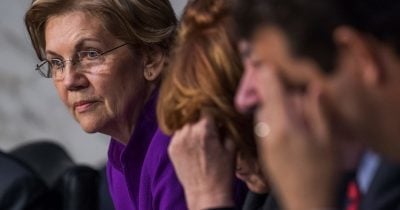
🤖Senator Elizabeth Warren has introduced legislation requiring financial institutions to disclose their exposure to artificial intelligence systems and related risks. The bill aims to enhance financial transparency by making AI's potential systemic risks visible to regulators and investors, potentially triggering broader regulatory scrutiny across the technology and finance sectors.
AIBearishDecrypt – AI · Jun 107/10
🧠Anthropic faces significant backlash following the Claude Fable 5 release over allegations of token burn mechanisms, content censorship, and mandatory data collection practices. The controversy represents a critical moment for the AI company's reputation and raises questions about transparency and user trust in major AI deployments.
🏢 Anthropic🧠 Claude
CryptoBearishProtos · Jun 107/10
⛓️HTX exchange moved $1.3 billion from its reserves to an undisclosed third party, affecting multiple assets including BTC, ETH, USDC, Usual Stablecoin, and USDT. The lack of transparency regarding the recipient and purpose of this substantial transfer raises concerns about reserve security and exchange operational practices.
$BTC$ETH
CryptoBearishBitcoinist · Jun 107/10
⛓️Litigation expert Thomas Braziel has raised questions about the Cardano Foundation's handling of 1,090 BTC (worth approximately $67.5 million) allegedly received when its predecessor Isle of Man foundation was dissolved around the time of Cardano's ICO, which raised approximately 108,000 BTC.
$BTC$ADA
AIBearishCrypto Briefing · Jun 107/10
🧠Anthropic CEO Dario Amodei has expressed uncertainty about whether the company's AI models played a role in Iran's recent missile strike, highlighting tensions between AI firms and the Pentagon over defense applications. The situation underscores the ethical dilemmas and operational complexities that arise when artificial intelligence companies engage in military collaborations.
🏢 Anthropic
CryptoBearishBitcoinist · Jun 107/10
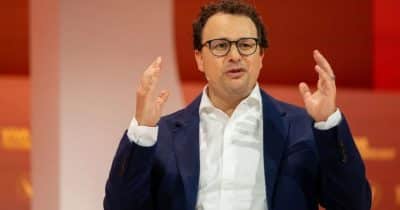
⛓️Charles Hoskinson, Cardano's founder, faces new allegations from NFT creator Masato Alexander regarding the sale of 1.5 billion ADA during the 2021 bull market, based on on-chain analysis. The claims intensify ongoing controversy surrounding Cardano's early token allocation, governance structure, and voucher redemption processes.
$ADA
AIBearishCrypto Briefing · Jun 107/10
🧠The U.S. government has ordered CAISI (Consortium for AI Safety, Security, and Innovation) to halt public model evaluations following a new executive order. This shift to classified evaluations raises concerns about reduced transparency and potential competitive disadvantages for domestic AI companies.
AI × CryptoBearishcrypto.news · Jun 97/10
🤖Sahara AI experienced a 55% price crash amid allegations of a 600M token dump. The team denied insider selling, claiming the transfer funded infrastructure development for a Chainlink CCIP bridge, raising questions about communication transparency and token allocation practices.
$LINK
CryptoBearishcrypto.news · Jun 87/10
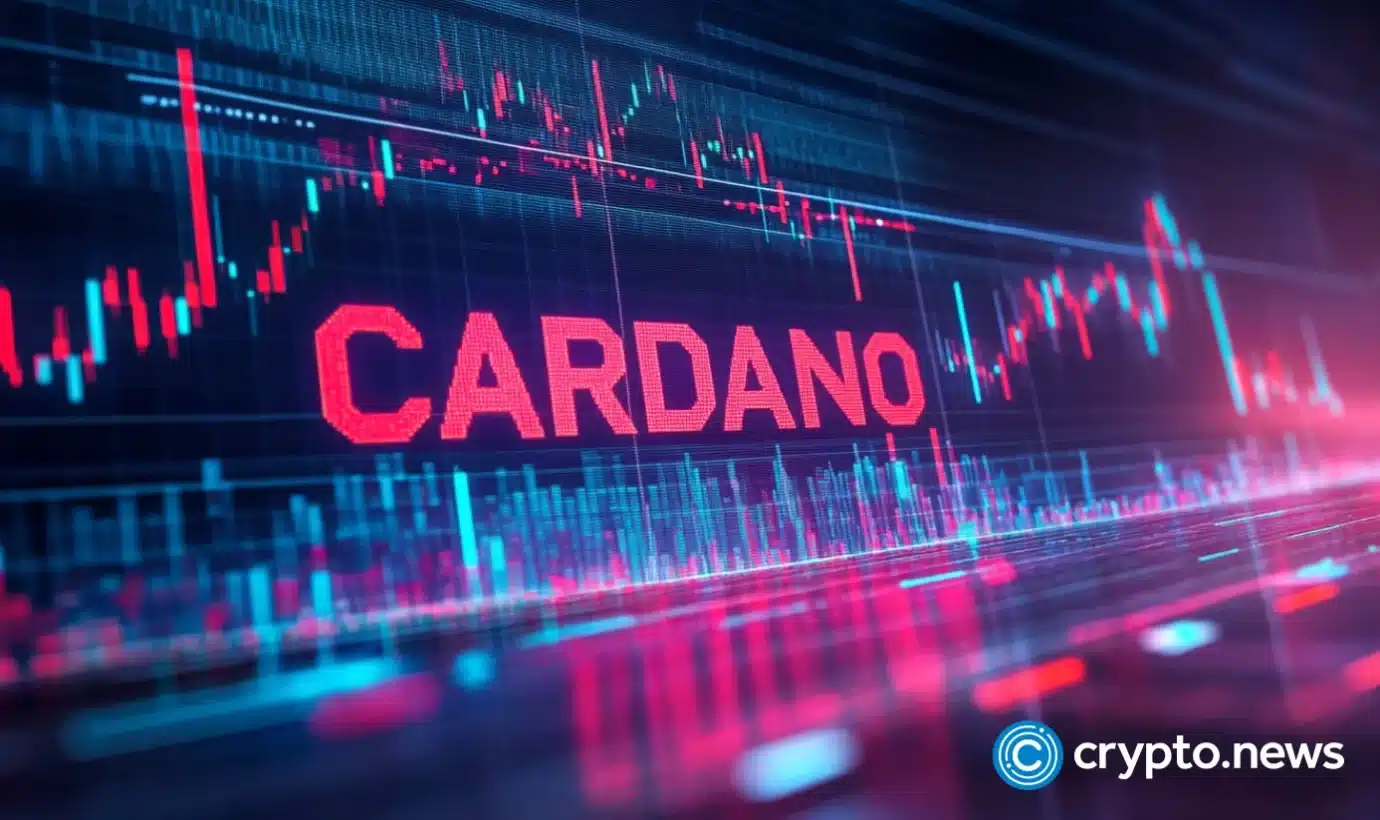
⛓️Thomas Braziel has questioned Cardano founder Charles Hoskinson regarding approximately 1,090 missing Bitcoin associated with Cardano's early organizational structure, following a review of corporate filings from Cardano entities in the Isle of Man and Switzerland. The inquiry emerges as ADA token experiences weekly losses exceeding 25%, raising concerns about transparency and fund management within the project.
$BTC$ADA
CryptoBearishCrypto Briefing · Jun 87/10
⛓️Crypto analyst ZachXBT has publicly accused Arthur Hayes of dumping tokens (WLD, ZEC, HYPE, and NEAR) shortly after making bullish public statements about them, raising concerns about potential market manipulation and the credibility of influential figures' endorsements.
$WLD$NEAR
CryptoBearishCrypto Briefing · Jun 87/10
⛓️Cryptocurrency analyst ZachXBT has raised red flags regarding JuCoin's ability to process withdrawals and maintain adequate reserves, underscoring systemic concerns about exchange solvency and transparency. The allegations highlight the ongoing vulnerability of centralized exchanges to operational failures and underscore the urgent need for independent audits and regulatory oversight in the crypto sector.