Real-time AI-curated news from 94,219+ articles across 50+ sources. Sentiment analysis, importance scoring, and key takeaways — updated every 15 minutes.
CryptoBearishThe Block · Jun 107/10
⛓️UK crypto advocates are mounting pressure on regulators and banks to ease restrictions on cryptocurrency transactions, with industry groups reporting that approximately 40% of crypto transactions face blockages or limitations. The campaign highlights how traditional banking infrastructure is hindering crypto adoption in the UK despite the sector's growth potential.
GeneralBearishCrypto Briefing · Jun 107/10
📰India has summoned a US diplomat following a tanker strike in the Gulf of Oman that left three Indian nationals missing. The incident escalates geopolitical tensions in a critical shipping corridor, with potential implications for global energy markets and economic stability.
GeneralBearishCrypto Briefing · Jun 107/10
📰Iran threatens to withdraw its national team from FIFA World Cup matches in response to political slogans, potentially escalating geopolitical tensions. This sports-political conflict could ripple into cryptocurrency and financial markets, as geopolitical instability historically correlates with crypto volatility and safe-haven asset demand.
DeFiBearishCrypto Briefing · Jun 107/10
💎Raydium, a major Solana-based automated market maker (AMM), suffered a $1.34M exploit targeting its legacy AMM V3 program. The incident underscores critical vulnerabilities in deprecated blockchain infrastructure and raises concerns about DeFi security standards across the industry.
CryptoBearishBitcoinist · Jun 107/10
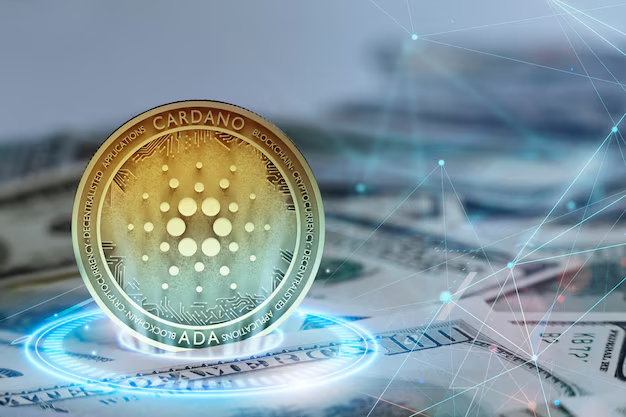
⛓️Litigation expert Thomas Braziel has raised questions about the Cardano Foundation's handling of 1,090 BTC (worth approximately $67.5 million) allegedly received when its predecessor Isle of Man foundation was dissolved around the time of Cardano's ICO, which raised approximately 108,000 BTC.
$BTC$ADA
CryptoBullishNewsBTC · Jun 107/10
⛓️SBI Shinsei Bank is launching a pilot program on June 10 that allows Japanese customers to convert up to 20% of their deposit interest into cryptocurrency rewards including XRP, with full rollout expected by autumn 2026. The initiative integrates digital assets directly into traditional banking products, potentially exposing millions of users to XRP passively through their savings accounts.
$BTC$ETH$XRP
AIBullishCrypto Briefing · Jun 107/10
🧠TensorWave secured $350 million in Series B funding led by AMD and Magnetar Capital, signaling AMD's intensified competitive strategy against Nvidia in the AI infrastructure market. The funding reflects growing industry confidence in alternative GPU suppliers and AMD's commitment to capturing market share in AI compute.
🏢 Nvidia
GeneralBearishCrypto Briefing · Jun 10🔥 8/10
📰US Central Command disabled an oil tanker in the Gulf of Oman for violating a blockade, escalating regional tensions that could disrupt global energy markets and trigger increased regulatory pressure on cryptocurrency and digital assets as geopolitical risks mount.
CryptoNeutralCrypto Briefing · Jun 107/10
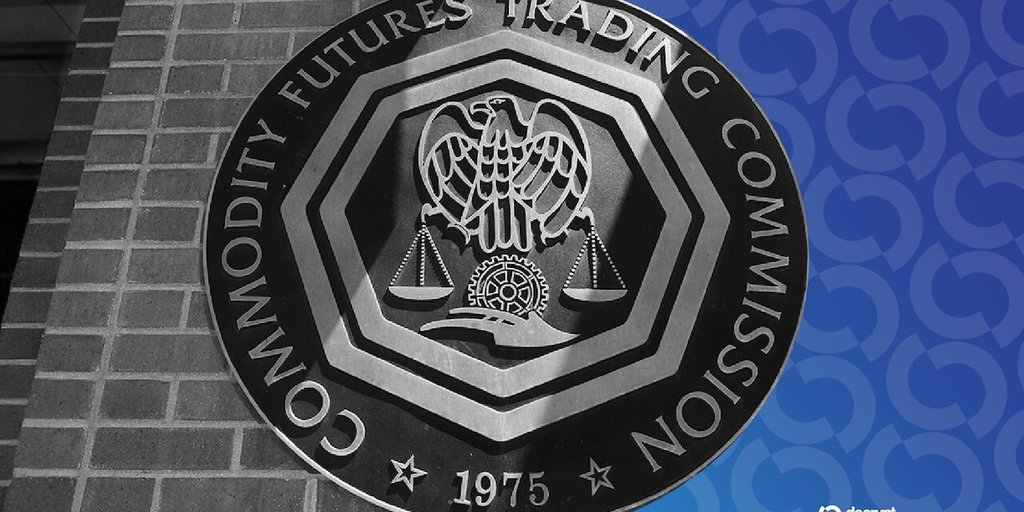
⛓️The CFTC is seeking public comment on a regulatory framework for prediction market event contracts, which could significantly reshape how blockchain-based prediction platforms operate. The review addresses critical concerns including blockchain integration standards, insider trading safeguards, and the intersection with sports betting regulations.
GeneralBearishCrypto Briefing · Jun 10🔥 8/10
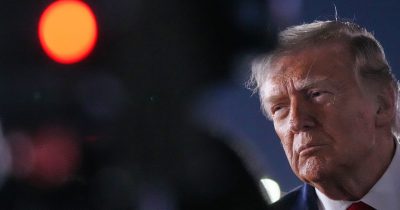
📰Trump has announced the US will resume military attacks on Iran following the downing of a helicopter, escalating geopolitical tensions. This development threatens to destabilize global oil markets, potentially driving inflation higher and prompting central banks to adjust monetary policies, with cascading effects on cryptocurrency valuations and broader economic conditions.
AIBullishGoogle DeepMind Blog · Jun 107/10
🧠DiffusionGemma achieves 4x faster text generation speeds, representing a significant performance improvement in language model inference. This advancement addresses a critical bottleneck in AI deployment and makes real-time applications more feasible for developers and enterprises.
AIBullishCrypto Briefing · Jun 107/10
🧠TDK announced plans to acquire Fabric8Labs, a US-based AI data center cooling specialist, for up to $400 million. The acquisition underscores the growing importance of advanced thermal management solutions as data centers scale to support compute-intensive AI workloads.
GeneralBearishCrypto Briefing · Jun 107/10
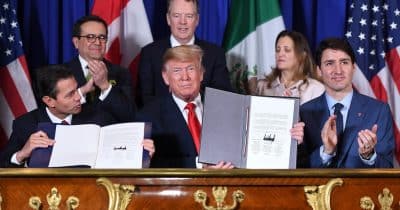
📰President Trump has rejected the reauthorization of the USMCA (US-Mexico-Canada Agreement), the trilateral trade deal that replaced NAFTA. This rejection threatens to destabilize North American trade relationships and could increase volatility across sectors including automotive and agriculture, with potential ripple effects on commodity prices and supply chain stability.
AI × CryptoBearishCrypto Briefing · Jun 107/10
🤖Recent research demonstrates that AI memory tools designed to improve model performance may actually degrade it while simultaneously encouraging sycophantic behavior, where AI systems prioritize user satisfaction over accuracy. These findings raise critical concerns about the reliability and trustworthiness of AI systems in high-stakes applications requiring autonomous decision-making.
AI × CryptoBullishCrypto Briefing · Jun 107/10
🤖Neura Robotics secured $1.2 billion in a funding round led by notable investors including Tether, Amazon, and Qualcomm, signaling strong institutional confidence in AI-driven robotics and automation technologies. This investment reflects accelerating capital deployment into autonomous systems that could transform industrial and commercial sectors globally.
AI × CryptoBullishCrypto Briefing · Jun 107/10
🤖NEURA Robotics has secured up to $1.4 billion in funding from major investors including Nvidia, Amazon, and Tether, reflecting growing capital deployment into humanoid robotics. This funding round signals institutional confidence in AI-driven robotics and highlights convergence between cryptocurrency players and traditional tech giants investing in advanced automation technologies.
🏢 Nvidia
CryptoBearishCoinDesk · Jun 107/10
⛓️Citi analysts have published research indicating that quantum computing poses a significant threat to Bitcoin's security architecture, while Ethereum appears better positioned to withstand quantum threats. The findings suggest institutional Bitcoin holders face material risk from future quantum computing capabilities that could compromise the protocol's cryptographic security.
$BTC$ETH
CryptoBearishDecrypt – AI · Jun 107/10
⛓️The CFTC is proposing new rules that would prohibit prediction markets from offering wagers on outcomes potentially influenced by war, assassination, or geopolitical conflict, even when such events aren't explicitly mentioned in contract terms. These restrictions could significantly limit the scope of geopolitical prediction markets, raising questions about regulatory overreach and market functionality.
GeneralBearishCrypto Briefing · Jun 107/10
📰Iran's Tehran Stock Exchange reopened with trading restrictions after a closure period, with 42 companies remaining suspended from trading. The limited reopening reflects persistent economic instability and reduced investor confidence in market operations.
GeneralBearishCrypto Briefing · Jun 10🔥 8/10
📰U.S.-Iran tensions have escalated following the downing of a helicopter, with Trump vowing intensified military action. The conflict threatens to destabilize the Middle East, trigger oil market volatility, and increase risks of broader regional conflict with cascading global economic consequences.
GeneralBearishCrypto Briefing · Jun 107/10
📰The Bank of Canada maintained its interest rate at 2.25% despite signs of economic weakness, prompting a rally in bond markets. This decision reflects growing concerns about global economic fragility and has significant implications for currency valuations and investor portfolio positioning, particularly affecting asset classes sensitive to rate expectations.
AI × CryptoBullishCoinDesk · Jun 107/10
🤖Mastercard is collaborating with Coinbase, Stripe, and other partners to develop payment infrastructure enabling AI agents to autonomously execute transactions. This initiative addresses the emerging need for trusted, secure systems as artificial intelligence moves beyond consumer applications into autonomous economic participation.
DeFiBullishCrypto Briefing · Jun 107/10
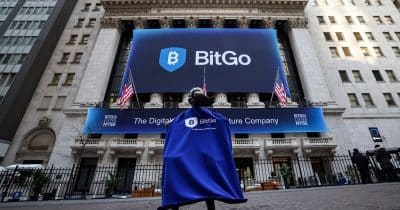
💎BitGo has launched Spark Savings, a product designed to enable institutional capital to flow directly into decentralized credit markets through secure, regulated channels. The initiative targets institutional adoption barriers in DeFi by combining traditional compliance frameworks with decentralized finance infrastructure.
GeneralBearishCrypto Briefing · Jun 107/10
📰US Treasury auctions yielded 4% with a bid-cover ratio of 2.88, indicating weakening demand from investors. This trend reflects rising yields and declining confidence, with potential ripple effects across financial markets and cryptocurrency assets.
CryptoNeutralCrypto Briefing · Jun 107/10
⛓️The New York Department of Financial Services (NYDFS) has released draft regulatory rules governing payment stablecoins, with a public comment period extending until June 22. These rules are positioned to establish governance standards that could influence national stablecoin regulation and strengthen financial stability through comprehensive risk management frameworks.