
CryptoBearishNewsBTC · May 6🔥 10/10
#inflation News & Analysis
Coverage of #inflation remains heavily bearish across the indexed sources, with 68.2% of articles in the past month adopting a negative tone. Just over 314 articles have been published on the topic in the last 30 days out of 508 total in the index, indicating sustained focus on how price pressures affect crypto markets and policy responses. Sentiment has held relatively stable compared to the prior quarter, with only a marginal 2.1 percentage point shift in bullish positioning. Discussion of #inflation frequently intersects with cryptocurrency assets like Bitcoin and Ethereum, as well as broader themes including monetary policy and geopolitical developments. Crypto Briefing, Blockonomi, and Fortune Crypto have been the primary sources covering this angle. Scan the articles below for the latest reporting on how inflation dynamics are shaping the digital asset landscape.
sentiment · last 30d (314 articles)
Top sources:Crypto Briefing · 247Blockonomi · 53Fortune Crypto · 45NewsBTC · 34CoinDesk · 31
Most-discussed entities:Perplexity · 5Gemini · 2ChatGPT · 2Grok · 1Meta · 1
2218 articles

GeneralBullishCrypto Briefing · May 6🔥 10/10

GeneralBullishBlockonomi · Apr 29🔥 10/10
GeneralNeutralCrypto Briefing · Apr 27🔥 10/10
CryptoBearishNewsBTC · Mar 24🔥 10/10

CryptoBullishNewsBTC · Mar 24🔥 10/10
⛓️

$BTC🏢 Perplexity
CryptoBearishThe Defiant · Mar 19🔥 10/10
CryptoBearishNewsBTC · Mar 12🔥 10/10

CryptoBearishCoinDesk · May 28🔥 8/10
⛓️
Crypto slides on Hormuz airstrikes as $897 million in long liquidations pile up
Bitcoin and Ethereum experienced sharp declines following U.S. airstrikes in the Hormuz region, with BTC hitting its lowest level since April 13 and ETH breaking below $2,000. The geopolitical escalation triggered inflation concerns that cascaded through leveraged trading positions, resulting in nearly $900 million in liquidated long positions.

$BTC$ETH
GeneralBearishCrypto Briefing · May 10🔥 8/10
📰
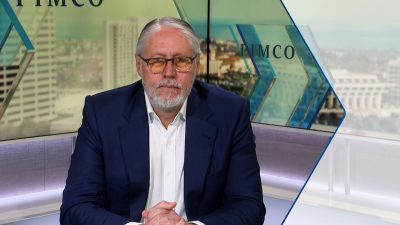
Pimco CIO warns Iran war may prompt Fed to hike rates
Pimco's Chief Investment Officer warns that escalating geopolitical tensions in Iran could force the Federal Reserve to raise interest rates to combat inflation, disrupting economic stability and impacting global markets including cryptocurrency assets.
GeneralBearishCrypto Briefing · May 10🔥 8/10
📰
US-Iran tensions rise as energy secretary hints at military action
Escalating US-Iran tensions, signaled by hints of potential military action from US energy officials, threaten to disrupt diplomatic channels and destabilize global energy markets. Such conflict would likely drive oil prices higher, creating inflationary pressures that ripple through cryptocurrency and broader financial markets.

GeneralBearishCrypto Briefing · May 10🔥 8/10
📰
Pimco warns Iran war could lead Federal Reserve to raise rates
PIMCO warns that potential military conflict with Iran could trigger energy price spikes, forcing central banks including the Federal Reserve to raise interest rates to combat inflation. This geopolitical risk creates a feedback loop where regional tensions could reshape global monetary policy and impact financial markets.
GeneralBearishFortune Crypto · May 9🔥 8/10
📰
Iran war is draining world’s oil buffer at an unprecedented pace
Global oil stockpiles are depleting at an unprecedented rate due to geopolitical tensions, with Morgan Stanley reporting a 4.8 million barrel-per-day drawdown between March and April. This rapid depletion of strategic reserves could tighten energy markets and drive oil prices higher, creating downstream impacts on inflation and cryptocurrency mining operations that depend on affordable energy.

GeneralBearishFortune Crypto · May 9🔥 8/10
📰
The federal government must issue more debt than it expected as cash flow weakens, and ‘the bond market is shouting’
The U.S. federal government must issue more debt than previously anticipated due to weakening cash flows, while bond market signals suggest unprecedented divergence from Federal Reserve policy expectations. This dynamic carries significant implications for interest rates, inflation expectations, and asset valuations across markets.

GeneralBearishCrypto Briefing · May 9🔥 8/10
📰
Iran conflict drives global food prices to three-year high: UN
Escalating tensions in Iran are disrupting global oil and food supply chains, pushing food prices to their highest levels in three years according to UN data. The conflict exacerbates existing inflationary pressures and complicates central bank monetary policy decisions, creating ripple effects across global markets.

GeneralBearishCrypto Briefing · May 8🔥 8/10
📰
JPMorgan warns $5 gas likely as Iran war disrupts oil supply
JPMorgan has warned that U.S. gasoline prices could reach $5 per gallon if geopolitical tensions with Iran disrupt global oil supplies. The bank projects that such energy price spikes would strain economies worldwide, accelerate inflation, and complicate central bank monetary policy decisions.

GeneralBearishcrypto.news · May 8🔥 8/10
📰
Nagel warns Iran war is fueling inflation risks as ECB stays on alert
ECB Bundesbank head Nagel warns that geopolitical tensions with Iran are creating inflation risks, prompting the central bank to remain cautious despite political pressure for earlier rate cuts. Acting U.S. Labor Secretary Sandlin's advocacy for Fed easing contrasts sharply with the ECB's measured stance, creating a 'higher for longer' interest rate environment that affects crypto markets.

GeneralBearishFortune Crypto · May 8🔥 8/10
📰
The CEO of Maersk, which ships 14% of everything you buy, said the Iran war is adding $500 million in monthly costs it’s trying not to pass down
Maersk, the global shipping giant responsible for 14% of worldwide container traffic, is absorbing $500 million in monthly costs due to geopolitical disruptions in the Iran region. CEO Vincent Clerc expressed concern about demand destruction if these costs eventually propagate to consumer prices, signaling potential broader economic impacts.

GeneralBearishCrypto Briefing · May 8🔥 8/10
📰
US-Iran conflict impacts Fed rate cut prospects amid inflation concerns
Escalating US-Iran tensions are creating inflationary pressures that could force the Federal Reserve to maintain higher interest rates longer than previously anticipated, potentially delaying rate cuts and impacting asset valuations across crypto and traditional markets.
GeneralBearishFortune Crypto · May 5🔥 8/10

GeneralBearishCrypto Briefing · May 4🔥 8/10
📰
IMF warns of severe economic impact if US-Iran conflict extends into 2027
The IMF has warned that a prolonged US-Iran conflict extending into 2027 could trigger severe global economic consequences, including economic slowdown, persistent inflation, and constrained Federal Reserve rate-cutting cycles. The geopolitical tension threatens financial stability across markets and could significantly impact investor sentiment and asset valuations.

GeneralBearishCrypto Briefing · May 4🔥 8/10
📰
Iran tensions push Brent crude to highest since March 2022 at $126.4
Geopolitical tensions between the US and Iran have driven Brent crude oil to $126.4 per barrel, the highest level since March 2022. This price surge threatens oil-dependent economies and could create broader economic instability affecting global markets and cryptocurrency valuations.

GeneralBearishBlockonomi · May 4🔥 8/10
📰
Persistent Inflation Through 2026: How Markets Will React to This New Reality
International financial institutions project inflation will remain elevated through 2026, with the Federal Reserve expected to hold interest rates steady rather than cut them. This prolonged high-rate environment has significant implications for both traditional equities and cryptocurrency valuations.
GeneralBearishCrypto Briefing · May 3🔥 8/10
📰
Iran conflict escalates, oil prices expected to hit $90 by June end
Escalating Iran conflict threatens to push oil prices toward $90 per barrel by June's end, driven by geopolitical supply risks. Rising energy costs compound inflationary pressures globally, forcing central banks to reassess monetary policy and creating ripple effects across asset classes including cryptocurrencies.

GeneralBearishCrypto Briefing · May 3🔥 8/10
📰
Iran conflict spikes Europe’s energy costs by €500M daily amid ECB rate cut talk
Escalating Iran conflict is driving Europe's daily energy costs up by €500 million, creating macroeconomic pressures that may accelerate ECB interest rate cuts. This geopolitical shock underscores Europe's energy vulnerability and could trigger monetary easing that affects broader financial markets including cryptocurrency.

Page 1 of 89Next →