
US-Iran tensions rise as energy secretary hints at military action
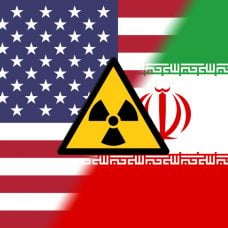
Escalating US-Iran tensions, signaled by hints of potential military action from US energy officials, threaten to disrupt diplomatic channels and destabilize global energy markets. Such conflict would likely drive oil prices higher, creating inflationary pressures that ripple through cryptocurrency and broader financial markets.
Geopolitical tensions between the US and Iran have historically served as major market catalysts, particularly for energy-dependent assets and risk-sensitive markets like cryptocurrencies. When military conflict risks rise, investors typically flee to safe-haven assets and hedge against inflation through commodities and alternative stores of value. Energy market disruptions directly impact global inflation expectations, which inverse correlate with risk asset valuations including crypto holdings.
The energy sector's prominence in US-Iran relations cannot be overstated. Iran controls significant crude oil reserves, and any military escalation threatens Persian Gulf shipping lanes through which roughly one-third of global maritime oil trade flows. Historical precedent shows similar tensions have caused oil price spikes of 10-20% within weeks. Such supply shocks create macroeconomic headwinds that typically compress equity valuations and increase volatility across digital asset markets.
For cryptocurrency investors, geopolitical instability presents dual dynamics. Short-term, rising energy costs and inflation fears may support Bitcoin as an inflation hedge and store of value. However, broader market risk-off sentiment during conflict escalation often triggers correlated selloffs across risk assets, including crypto. Energy price volatility also directly impacts mining profitability and operational costs for blockchain networks.
Market participants should monitor official statements from both governments for escalation indicators. The timing and nature of any military action would determine severity of market response. Investors holding energy exposure should consider hedging strategies, while crypto traders should prepare for elevated volatility regardless of directional bias.
- →US-Iran military escalation threatens Persian Gulf energy infrastructure and global oil supply chains
- →Rising oil prices from geopolitical conflict typically trigger inflation expectations and equity market selloffs
- →Cryptocurrency markets face dual pressure: inflation-hedge demand versus broader risk-off sentiment during conflicts
- →Historical precedent shows similar tensions cause 10-20% oil price movements within short timeframes
- →Mining profitability and blockchain operation costs face headwinds if energy prices spike significantly