Real-time AI-curated news from 95,056+ articles across 50+ sources. Sentiment analysis, importance scoring, and key takeaways — updated every 15 minutes.
AIBearishCrypto Briefing · Jun 97/10
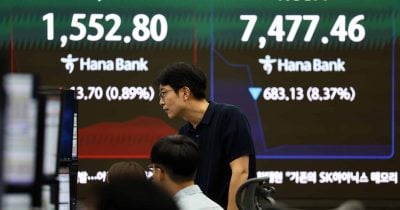
🧠South Korean stocks experienced a sharp 9% decline, with major semiconductor companies Samsung and SK Hynix leading losses. The selloff reflects growing concerns about AI-driven market valuations and signals potential repricing across global asset classes.
CryptoBullishCrypto Briefing · Jun 97/10
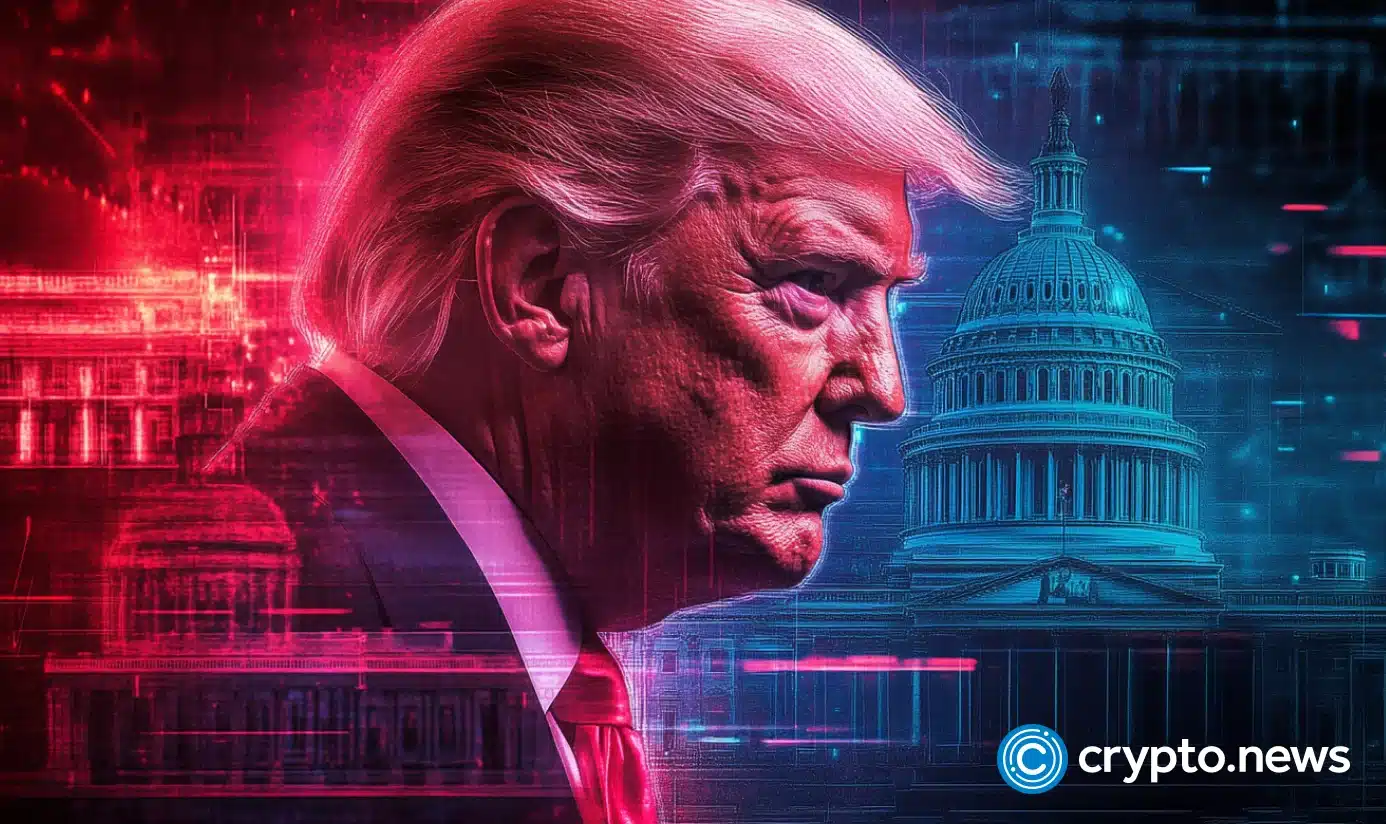
⛓️Trump's statements regarding a potential US-Iran nuclear deal have sparked a 5% Bitcoin rally, signaling market optimism about geopolitical de-escalation in the Middle East. The prospect of reduced regional tensions is driving investor appetite for risk assets, as markets typically respond positively to conflict resolution in volatile geopolitical hotspots.
$BTC
GeneralBearishcrypto.news · Jun 97/10
📰The U.S. Pentagon has added major Chinese technology companies—Alibaba, Baidu, and BYD—to its official list of firms with military connections, alongside chip, biotech, robotics, and telecom firms. While the designation carries no immediate trade restrictions, it signals intensifying U.S. scrutiny of Chinese tech giants and reflects broader geopolitical tensions in the semiconductor and AI sectors.
DeFiBullishcrypto.news · Jun 97/10
💎Hyperliquid has captured nearly 50% of all cryptocurrency token buyback activity in 2025, according to Citrini Research, demonstrating the strength of its decentralized exchange revenue model. This dominance reflects the platform's growing market prominence and suggests a significant shift in how crypto projects allocate capital.
GeneralBearishCrypto Briefing · Jun 97/10
📰South Korea's KOSPI stock index experienced an 8% crash that triggered automatic circuit breakers, halting trading to prevent further losses. The incident underscores structural vulnerabilities in markets concentrated among a limited number of dominant sectors, potentially prompting investors to reassess risk exposure across traditional and digital asset markets.
GeneralBearishFortune Crypto · Jun 97/10
📰Anduril CEO Brian Schimpf warns that economic warfare through supply chain disruption has become the dominant military strategy, positioning factory and logistics vulnerabilities as America's critical national security weakness. The defense tech leader argues the U.S. must shift focus from traditional battlefield capabilities to protecting economic infrastructure.
AIBullishcrypto.news · Jun 87/10
🧠Nvidia CEO Jensen Huang announced multiple strategic partnerships with major South Korean conglomerates including SK Hynix, Naver, SK Telecom, Doosan Group, LG Group, and Hyundai Motor Group, spanning chip manufacturing, cloud infrastructure, and robotics. The partnerships signal Nvidia's deepening commitment to the Asian market and South Korea's emergence as a critical hub for AI infrastructure development.
🏢 Nvidia
AIBullishCrypto Briefing · Jun 87/10
🧠Nvidia and SK Hynix have announced a multi-year partnership to develop next-generation AI memory chips, signaling intensified collaboration between semiconductor leaders to address growing AI infrastructure demands. The deal is expected to accelerate AI chip development and reshape competitive dynamics in the semiconductor market.
🏢 Nvidia
GeneralBearishCrypto Briefing · Jun 8🔥 8/10
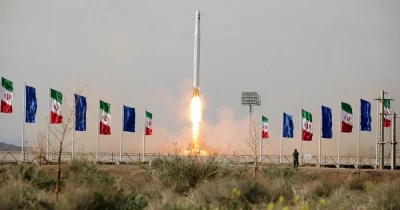
📰An Iranian Revolutionary Guard Corps (IRGC) missile launch over Javanrud has intensified Iran-Israel tensions, raising concerns about regional instability. The escalation could trigger increased regulatory scrutiny globally and create market volatility across asset classes, including cryptocurrency markets sensitive to geopolitical risk.
CryptoBullishcrypto.news · Jun 87/10
⛓️The tokenized real-world assets (RWA) market has surged nearly 600% since early 2025, with tokenized stocks leading growth according to Binance Research. This explosive expansion demonstrates institutional and retail interest in blockchain-based ownership of traditional financial instruments, marking a significant convergence of traditional finance and cryptocurrency markets.
AIBearishcrypto.news · Jun 87/10
🧠Nvidia CEO Jensen Huang declined Senator Elizabeth Warren's invitation to testify before the Senate Banking Committee regarding the company's AI chip business in China. The refusal highlights ongoing tensions between U.S. semiconductor companies and Congress over national security concerns surrounding advanced chip exports to China.
🏢 Nvidia
GeneralBearishCrypto Briefing · Jun 8🔥 8/10
📰Gold prices remain stable near $4,325 amid escalating Iran-Israel tensions that threaten Middle East ceasefire efforts. The conflict underscores how geopolitical instability directly influences precious metals markets and broader financial asset valuations.
CryptoBearishcrypto.news · Jun 8🔥 8/10
⛓️UK sanctions targeting HTX-linked entities have triggered widespread compliance measures across cryptocurrency exchanges and platforms, resulting in frozen user funds and blocked transactions. Blockchain investigator ZachXBT has publicly criticized the sanctions regime, highlighting the collateral damage inflicted on ordinary users and raising concerns about regulatory overreach in the crypto industry.
GeneralBearishFortune Crypto · Jun 8🔥 8/10
📰The U.S. Defense Department designated Alibaba, Baidu, and BYD as entities providing support to China's People's Liberation Army, marking an escalation in U.S.-China tech tensions. This designation carries significant implications for these companies' access to American technology, capital markets, and global operations.
CryptoBullishNewsBTC · Jun 87/10
⛓️Analyst Ali Martinez argues that Bitcoin's drop to $59,000 last Friday likely represents a market bottom, with the subsequent rebound above $63,000 supporting this thesis. Martinez cites the liquidation of overleveraged positions, $3.25 billion in long-term holder distribution, and over 10.46 million BTC currently in loss as key indicators, while identifying potential accumulation zones at $53,900 and $43,150 based on MVRV pricing bands.
$BTC$DOGE
AIBullishCrypto Briefing · Jun 87/10
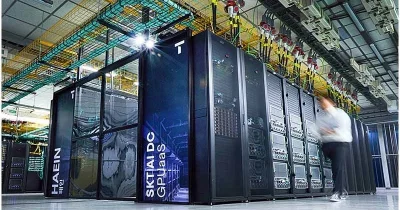
🧠SK Telecom is deploying Nvidia Blackwell GPUs to establish itself as an AI infrastructure provider, marking a strategic pivot away from traditional telecommunications. This move reflects broader industry trends where telcos leverage existing infrastructure and capital to compete in AI services, while also advancing South Korea's technological sovereignty goals.
🏢 Nvidia
AIBullishCrypto Briefing · Jun 87/10
🧠Naver Corporation is building AI data centers using Nvidia's DSX platform to strengthen its position in South Korea's artificial intelligence infrastructure market. This strategic partnership aims to enhance the country's technological autonomy while potentially influencing global AI infrastructure dynamics.
🏢 Nvidia
CryptoBearishCoinDesk · Jun 87/10
⛓️Pump.fun's latest feature is incentivizing users to perform increasingly extreme and potentially harmful acts—including head shaving, alcohol consumption, and exploitative street interviews—for cryptocurrency rewards. The trend raises serious ethical concerns about whether the platform prioritizes engagement metrics over user welfare and responsible community practices.
AIBullishcrypto.news · Jun 87/10
🧠Applied Digital has secured a 15-year lease agreement with a major U.S. hyperscaler for its Delta Forge 2 data center campus, potentially generating $5.2 billion in revenue over the base term. The deal reflects surging demand for AI infrastructure and drove Applied Digital's stock up 8.7% in after-hours trading.
CryptoNeutralCrypto Briefing · Jun 87/10
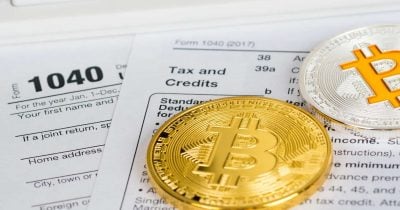
⛓️The U.S. Ways and Means Committee plans to introduce seven cryptocurrency tax bills in the coming week, signaling a significant legislative push toward establishing clearer regulatory frameworks for digital assets. This move could position the United States as a global leader in crypto governance while providing much-needed clarity for investors and market participants.
GeneralBearishCrypto Briefing · Jun 8🔥 8/10
📰Escalating geopolitical tensions between Iran and regional adversaries have triggered a surge in oil prices, creating inflationary pressure that complicates monetary policy decisions for central banks worldwide. This development carries significant implications for global financial markets, including cryptocurrency and digital assets that often respond to macroeconomic conditions and inflation expectations.
GeneralBullishCrypto Briefing · Jun 87/10
📰Tehran's Imam Khomeini Airport has resumed flight operations, signaling a potential de-escalation in Iran-Israel regional tensions. The resumption is expected to restore market confidence and improve sentiment toward assets sensitive to Middle Eastern geopolitical risk, including oil prices and risk-on cryptocurrencies.
AI × CryptoBearishCrypto Briefing · Jun 87/10
🤖US stock futures declined following a broader technology sector selloff, driven by escalating expectations for Federal Reserve rate hikes. This macroeconomic shift poses significant headwinds for both equity and cryptocurrency markets, as higher interest rates typically reduce valuations for growth-oriented and risk assets.
GeneralBullishCrypto Briefing · Jun 87/10
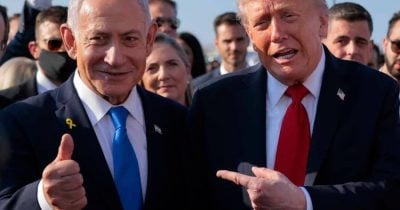
📰Trump has reportedly pressured Israeli Prime Minister Netanyahu to accept Iran nuclear deal terms, while Bitcoin rallies amid optimism over potential Middle East ceasefire negotiations. The geopolitical shift signals changing U.S. foreign policy priorities that could reshape energy markets and global stability, indirectly benefiting risk assets like cryptocurrency.
$BTC
AINeutralDecrypt · Jun 87/10
🧠OpenAI is pivoting from its ChatGPT chatbot model toward building a comprehensive superapp platform similar to WeChat, signaling a fundamental shift in the company's product strategy. This move reflects OpenAI's ambition to capture more user engagement and monetization opportunities beyond conversational AI.
🏢 OpenAI🧠 ChatGPT