Real-time AI-curated news from 96,226+ articles across 50+ sources. Sentiment analysis, importance scoring, and key takeaways — updated every 15 minutes.
CryptoBearishU.Today · Jun 47/10
⛓️Bitcoin has declined below the critical $65,000 resistance level, intensifying selling pressure in the market. Analysts identify approximately $50,000 as the next significant support level, suggesting potential further downside if current bearish momentum continues.
$BTC
AIBullishWired – AI · Jun 47/10
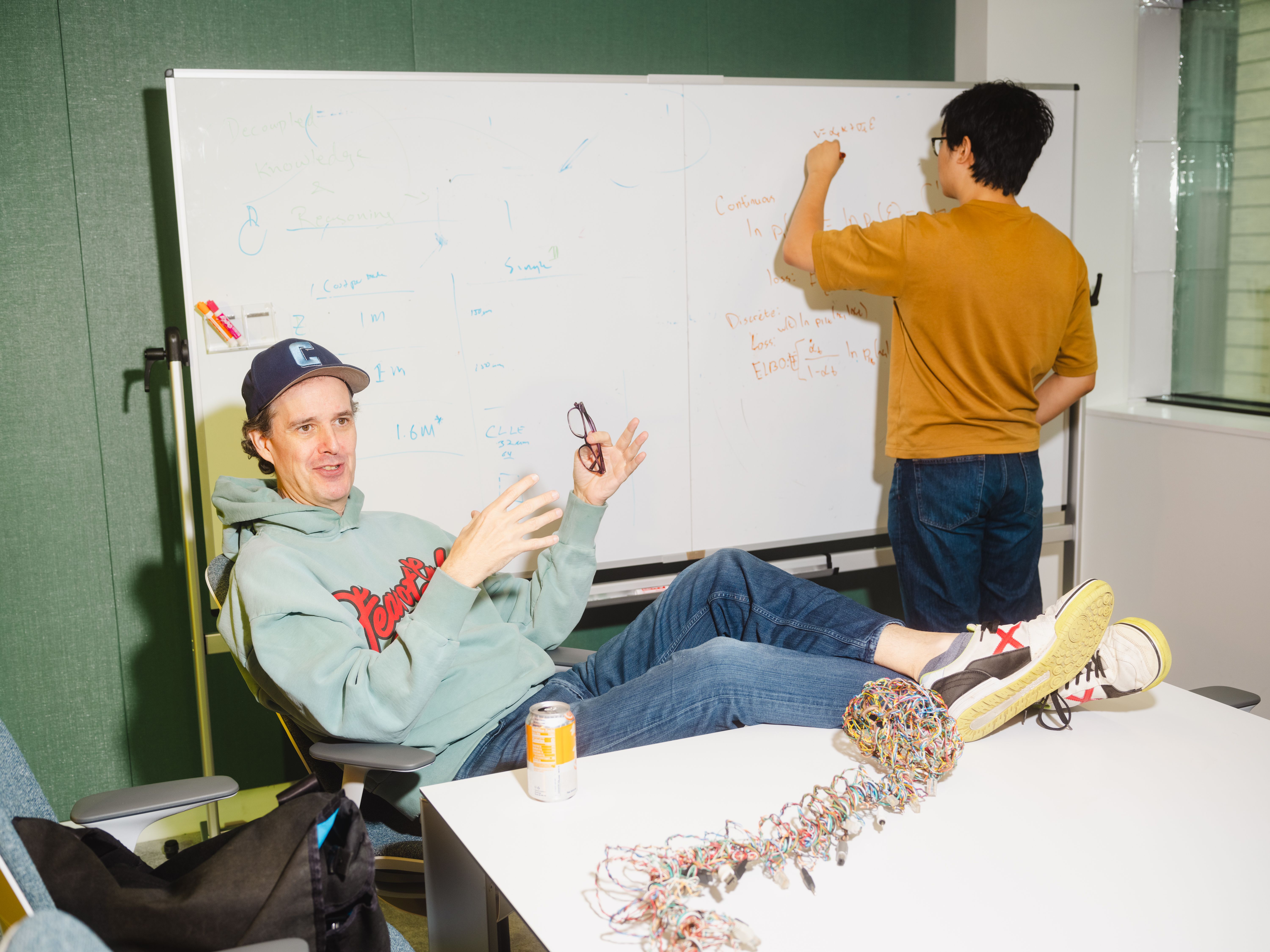
🧠Jeff Bezos-backed Flourish has secured $500 million in funding at a $2.5 billion valuation to develop AI by studying biological neurons directly. The startup's approach represents a significant pivot from traditional deep learning toward biomimetic intelligence research.
CryptoBearishBlockonomi · Jun 4🔥 8/10
⛓️The US dollar reached two-month highs as Middle East tensions escalated, triggering a broader flight-to-safety movement that pressured risk assets including cryptocurrencies. Bitcoin declined to $63,119 while Ether hit four-month lows, reflecting investor preference for traditional safe-haven assets during periods of geopolitical uncertainty.
$BTC$ETH
AINeutralStratechery · Jun 47/10
🧠Microsoft CEO Satya Nadella discusses the company's strategic positioning in AI, its partnership with OpenAI, capital expenditure priorities, and plans for an agentic platform. The interview explores how Microsoft is defining its core competencies amid rapid AI market evolution and increasing competition.
🏢 OpenAI
CryptoBullishThe Block · Jun 47/10
⛓️Coinbase has launched pre-IPO perpetual futures contracts, beginning with SpaceX, offering traders up to 5x leverage on private company valuations. This expansion into pre-IPO derivatives represents a significant shift in how retail investors access exposure to privately-held companies traditionally reserved for institutional investors.
CryptoBearishcrypto.news · Jun 47/10
⛓️Bitcoin is trading near $62K as analyst Charles Edwards highlights a 28% 'quantum discount'—a valuation reduction reflecting market concerns about delayed post-quantum cryptography adoption. This metric suggests investors are pricing in risks from quantum computing threats to blockchain security.
$BTC
AIBullishBlockonomi · Jun 47/10
🧠Uber has committed nearly $500 million in milestone-based funding to Nuro for a massive autonomous vehicle expansion, targeting deployment of 35,000 robotaxis equipped with Lucid Gravity SUVs. This investment represents a significant corporate bet on autonomous delivery and ridesharing technology, with funding tied to specific autonomous deployment achievements.
CryptoBearishCrypto Briefing · Jun 47/10
⛓️South Korea's won has weakened to a 17-year low, prompting government intervention to curb excessive volatility. This currency depreciation threatens to destabilize South Korea's crypto markets by reducing investor confidence and amplifying price swings in digital assets.
CryptoBearishcrypto.news · Jun 47/10
⛓️Solana has plummeted to a 52-week low of $66, declining 27% in the past month and 74% from its 2025 peak amid ETF outflows and broader crypto market weakness. The sharp selloff reflects deteriorating investor sentiment and suggests further downside pressure may be imminent.
$SOL
AIBullishWired – AI · Jun 47/10
🧠Quantinuum, a quantum computing startup burning millions annually, is attracting significant investor interest as quantum computing enters public markets. Despite operating at a loss, the company's appeal reflects broader investor enthusiasm for quantum technology's long-term potential.
CryptoBullishcrypto.news · Jun 47/10
⛓️Shinhan Financial Group, South Korea's major financial institution, is pursuing membership in Canton Network's governance structure to facilitate the tokenization and international expansion of Korean financial products. This move signals institutional adoption of blockchain infrastructure for cross-border asset management and positions Korean finance at the forefront of digital asset innovation.
CryptoBullishcrypto.news · Jun 47/10
⛓️Goldman Sachs has launched a tokenized real estate fund on its GS DAP platform, joining other financial institutions in bringing property investments onto blockchain infrastructure. This development signals growing institutional adoption of tokenized assets and validates the real estate tokenization market's evolution from niche experimentation to mainstream finance.
AIBullishCrypto Briefing · Jun 47/10
🧠Quantinuum completed a $1.68 billion IPO, marking a significant milestone for the quantum computing sector and signaling growing institutional confidence in the industry's commercial viability. The successful offering demonstrates investor appetite for quantum technology despite the field remaining in early development stages, potentially spurring increased competition and innovation across the quantum landscape.
GeneralNeutralCrypto Briefing · Jun 47/10
📰TSMC announced capacity expansions in Japan and Germany as part of a strategic diversification away from Taiwan-centric semiconductor production. This shift reflects growing geopolitical concerns and international demand for chip manufacturing resilience outside Asia.
AINeutralCrypto Briefing · Jun 47/10
🧠OpenAI and Anthropic have called on Congress to implement regulations governing synthetic DNA sales, citing concerns that AI advancement is lowering barriers to bioweapon development. The proposed regulation could consolidate market power among larger firms while advancing biosecurity technologies, potentially hindering decentralized science initiatives.
🏢 OpenAI🏢 Anthropic
AI × CryptoBearishcrypto.news · Jun 47/10
🤖Arthur Hayes, BitMEX founder, sold positions in HYPE and NEAR tokens shortly after making a $100K bet, citing concerns over elevated energy prices, upcoming AI IPOs, and political risk as potential market headwinds. His move signals skepticism about near-term cryptocurrency valuations despite his recent bullish wager.
$NEAR
AIBullishCrypto Briefing · Jun 47/10
🧠Quantinuum completed a $1.68 billion IPO at a $15.6 billion valuation, marking a significant milestone for quantum computing as an emerging industry. The upsized offering demonstrates strong institutional investor appetite for quantum technologies, signaling growing mainstream confidence in the sector's commercial viability and long-term potential.
GeneralNeutralCrypto Briefing · Jun 47/10
📰Trump indicates progress in US-Iran negotiations with potential updates expected by the weekend. Improved diplomatic relations could stabilize global oil markets, which historically influences cryptocurrency volatility and investor risk appetite across digital assets.
CryptoBearishCrypto Briefing · Jun 47/10
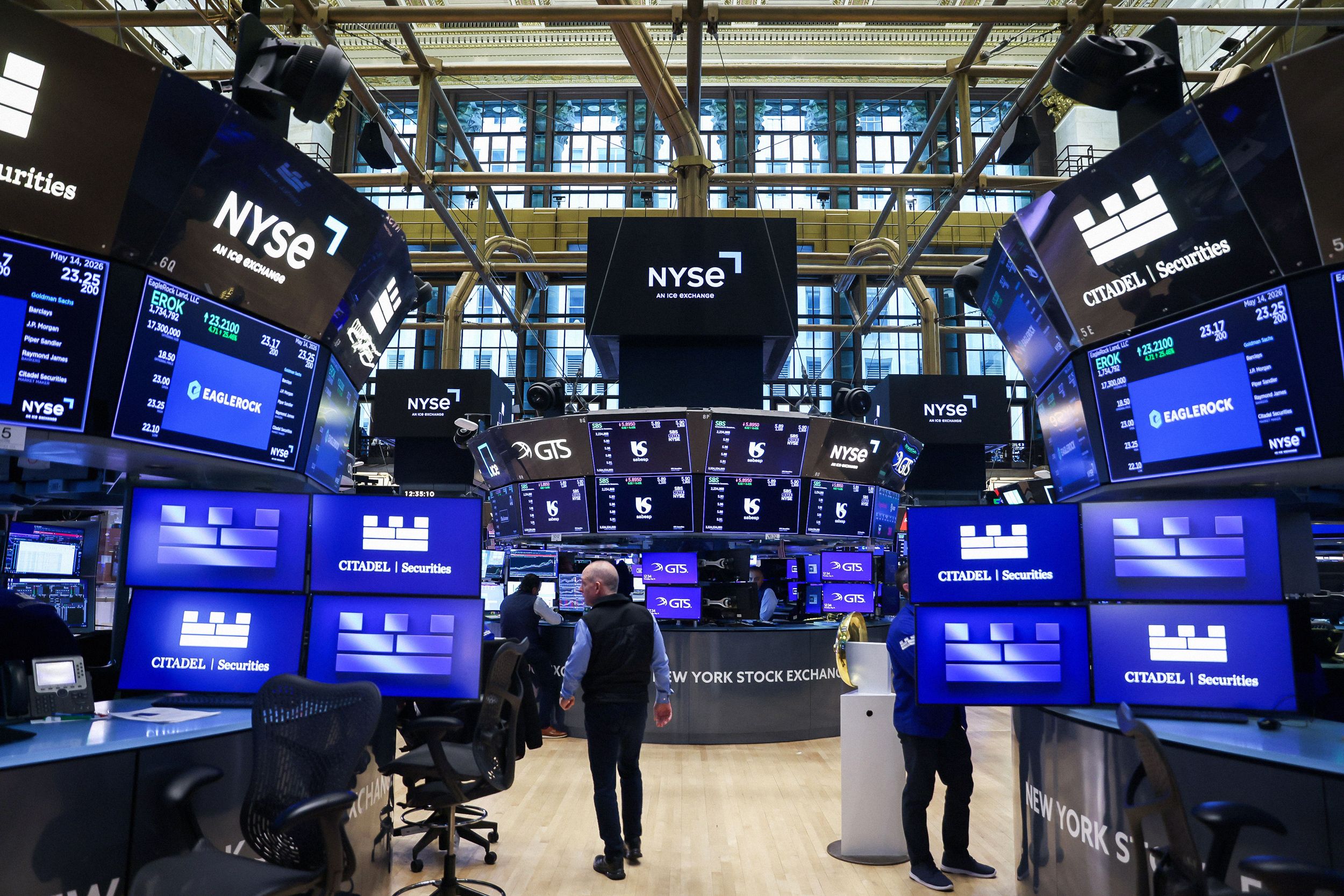
⛓️Wall Street is retreating from record highs as Middle East geopolitical tensions escalate and crude oil prices surge. These macroeconomic headwinds pose risks to economic growth, complicate central bank policy decisions, and create uncertainty for cryptocurrency markets that have increasingly correlated with traditional assets.
CryptoBearishCrypto Briefing · Jun 47/10
⛓️Polymarket faces accusations of retroactively changing settlement rules to invalidate winning bets placed on a Strategy Bitcoin sale prediction, raising serious concerns about platform credibility and the integrity of decentralized prediction markets.
$BTC
CryptoBullishCrypto Briefing · Jun 47/10
⛓️The U.S. Treasury is planning to establish a Bitcoin Reserve and is pushing for approval of the CLARITY Act, legislation designed to provide clearer regulatory frameworks for cryptocurrency. This development signals potential institutional acceptance of Bitcoin and could significantly enhance market confidence by reducing regulatory uncertainty.
$BTC
AIBullishCrypto Briefing · Jun 47/10
🧠Alphabet raised $84.75 billion through an upsized equity offering to fund its artificial intelligence infrastructure expansion. The capital raise underscores intensifying competition in the AI sector and signals major technology companies are committed to substantial long-term investments in AI capabilities and computing infrastructure.
GeneralBearishCrypto Briefing · Jun 4🔥 8/10
📰President Trump has signaled he would consider ending the US-Iran ceasefire if American troops are killed, raising geopolitical tensions. This potential escalation could destabilize the Middle East region and create macroeconomic uncertainty that typically benefits safe-haven assets like Bitcoin and Treasury bonds.
CryptoBullishBlockonomi · Jun 47/10
⛓️Hyperliquid (HYPE) has reached all-time highs above $74, driven by Grayscale's launch of the HYPG ETF and broader institutional adoption. Three US-listed ETFs tracking HYPE have attracted over $136 million in inflows, signaling growing mainstream investor interest in the platform.
CryptoBullishBlockonomi · Jun 47/10
⛓️Treasury Secretary Bessent announced progress on establishing a US Bitcoin reserve while urging the Senate to pass the CLARITY Act. The government's current Bitcoin holdings are valued at approximately $215 billion, signaling official recognition of cryptocurrency's strategic importance to national financial policy.
$BTC