Real-time AI-curated news from 96,687+ articles across 50+ sources. Sentiment analysis, importance scoring, and key takeaways — updated every 15 minutes.
GeneralBearishCrypto Briefing · Jun 2🔥 8/10
📰US Central Command has intensified naval enforcement operations in the Gulf, implementing a blockade targeting Iranian oil tankers. This escalation threatens to disrupt global oil markets and energy prices, with significant implications for geopolitical stability and commodity-linked asset valuations.
CryptoBearishBlockonomi · Jun 2🔥 8/10
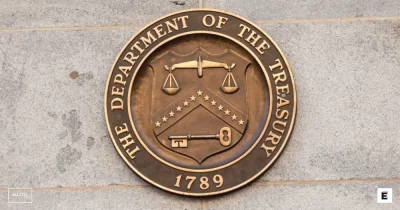
⛓️The U.S. Treasury's Office of Foreign Assets Control (OFAC) designated Iran's largest cryptocurrency exchange, Nobitex, and its leadership, citing facilitation of sanctions evasion and financial flows to Iran's Islamic Revolutionary Guard Corps. The action reflects escalating regulatory pressure on crypto infrastructure enabling illicit financial activity in sanctioned jurisdictions.
GeneralBearishCrypto Briefing · Jun 27/10
📰The International Energy Agency has warned of critically low oil stockpiles ahead of the summer demand peak, which could drive up energy prices and create economic strain across global markets. This supply constraint threatens to increase costs for consumers and businesses worldwide during a period of typically high energy consumption.
GeneralBearishCrypto Briefing · Jun 27/10
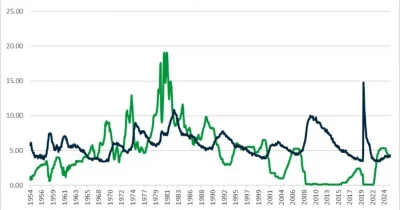
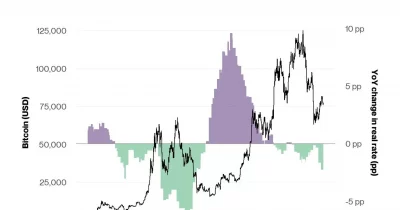
📰Bond traders are positioning for Federal Reserve rate hikes following upcoming US employment data, signaling expectations of tighter monetary policy. This shift reflects concerns about persistent inflation and could have significant implications for cryptocurrency valuations and risk asset performance.
GeneralBullishCrypto Briefing · Jun 27/10
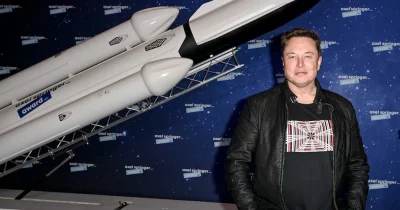
📰SpaceX is preparing for an IPO with a reported $1.75 trillion valuation, which could potentially make Elon Musk the world's first trillionaire. The public offering is expected to reshape the aerospace industry by intensifying competition and establishing new benchmarks for market valuations.
GeneralBearishCrypto Briefing · Jun 2🔥 8/10
📰US military forces fired a missile to intercept an oil tanker in the Strait of Hormuz, escalating military tensions in a critical global energy chokepoint. The incident underscores prolonged regional instability that threatens oil supply chains and could trigger volatility in energy markets and risk assets including cryptocurrencies.
CryptoNeutralcrypto.news · Jun 27/10
⛓️Crypto-backed political action committees, including Fairshake-linked groups funded by Coinbase and Ripple, are significantly increasing spending in US primary elections to build congressional influence. The Maryland race and other primaries are becoming key testing grounds for the cryptocurrency industry's political power and ability to shape regulatory outcomes.
$XRP
CryptoBearishBitcoin Magazine · Jun 27/10
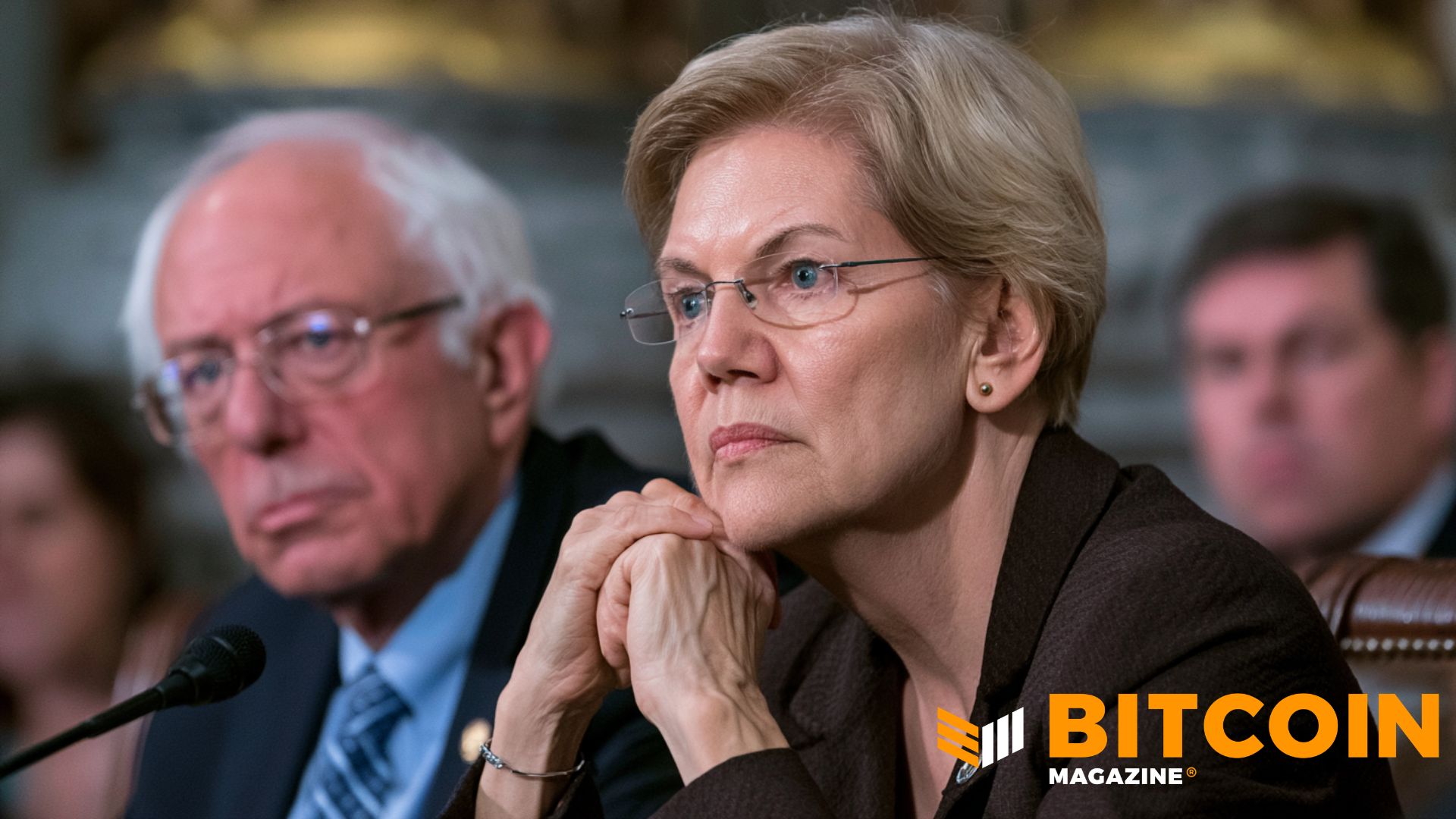
⛓️Senators Bernie Sanders and Elizabeth Warren are pressuring the U.S. Department of Labor to reject a proposed rule that would permit Bitcoin and other cryptocurrencies in 401(k) retirement accounts. The opposition highlights ongoing political division over cryptocurrency integration into mainstream financial products.
$BTC
CryptoBearishNewsBTC · Jun 27/10
⛓️Ethereum's Coinbase Premium Index has fallen to -0.16, its lowest level since February, signaling weak US institutional demand relative to global markets. The persistent negative reading indicates structural absence of domestic investment flows, keeping ETH pinned below $2,000 despite sideways price action driven primarily by offshore speculation rather than regulated US capital.
$ETH$LINK🧠 ChatGPT
AIBearishCrypto Briefing · Jun 27/10
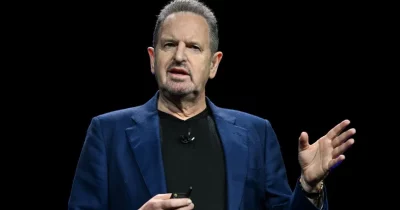
🧠Arm Holdings' CEO has stated that implementing a US ban on AI CPU chip exports to China would be extremely difficult to enforce and could have severe consequences. Such restrictions risk disrupting global supply chains, hindering technological innovation, and escalating US-China technological tensions with ripple effects across worldwide markets.
CryptoBearishCrypto Briefing · Jun 27/10
⛓️Solana ecosystem participants face significant token unlocks scheduled for June 2026 that could increase market volatility. The event may disproportionately impact smaller-cap tokens within the ecosystem as large quantities of tokens enter circulation, potentially shifting investor behavior and market dynamics.
$SOL
AI × CryptoBullishCrypto Briefing · Jun 27/10
🤖Constellation Energy is advancing plans to restart Three Mile Island by 2027, signaling a strategic pivot toward nuclear energy as a clean power source driven by tech industry demand for AI and data center operations. The restart represents a significant shift in energy policy and could reshape how cryptocurrency mining and AI infrastructure operations source their power.
AIBullishArs Technica – AI · Jun 27/10
🧠Microsoft has unveiled Project Solara, an Android-based operating system designed to run AI agents rather than traditional applications. This strategic pivot reflects Microsoft's recognition that it missed the mobile app era and is now positioning itself for an AI-agent-centric computing paradigm.
CryptoBullishCrypto Briefing · Jun 27/10
⛓️Bitwise has estimated Bitcoin's fair value at $224,000, positioning the cryptocurrency as a hedge against sovereign debt crises that could drive institutional adoption. The valuation reflects growing recognition of Bitcoin's role in protecting wealth amid macroeconomic uncertainty and rising government debt levels globally.
$BTC🏢 Meta
DeFiBullishCrypto Briefing · Jun 27/10
💎Mu Digital has tokenized Asian credit markets and integrated with Pendle Finance, expanding access to traditionally illiquid credit instruments through decentralized finance. This development democratizes investment opportunities in Asian credit and demonstrates growing institutional adoption of tokenized real-world assets on blockchain.
CryptoBearishDecrypt · Jun 27/10
⛓️MicroStrategy (MSTR) shares fell for a second consecutive day following the company's sale of Bitcoin holdings, with stock prices now trading over 70% below their 52-week high. The decline reflects investor concerns about the firm's Bitcoin treasury strategy and broader market sentiment.
$BTC
CryptoBearishBitcoin Magazine · Jun 2🔥 8/10
⛓️The U.S. Treasury designated Iran's largest cryptocurrency exchange Nobitex and three other Iranian crypto platforms under counterterrorism and financial-sector authorities. This action targets key executives and aims to disrupt Iran's digital asset infrastructure and sanction-evasion capabilities.
$BTC
CryptoBearishBitcoinist · Jun 2🔥 8/10
⛓️The US Treasury's OFAC has sanctioned four cryptocurrency exchanges for facilitating transactions with Iran, targeting digital asset channels used to circumvent international restrictions. This enforcement action reflects growing regulatory pressure on crypto platforms to prevent sanctions evasion and highlights Iran's increasing reliance on blockchain-based tools to maintain financial access.
AIBullishDecrypt · Jun 27/10
🧠Microsoft is productizing OpenClaw as an enterprise AI agent called Scout, leveraging its massive Windows user base of 1.4 billion to drive adoption. This move positions Microsoft to dominate enterprise AI agent deployment at scale, though the technology itself is not new to the market.
GeneralBearishCrypto Briefing · Jun 27/10
📰Cliffwater Corporate Lending Fund has capped redemptions at 5% despite receiving redemption requests totaling 17% of assets under management, exposing significant liquidity constraints in the private credit sector. The move signals potential asset valuation challenges and could erode investor confidence across alternative credit markets.
CryptoBearishCrypto Briefing · Jun 27/10
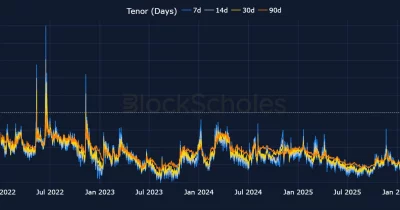
⛓️Crypto derivatives trading volumes have fallen to their lowest point in 12 months, yet Binance continues to expand its market share, raising concerns about concentration risk. The dominance of a handful of exchanges in derivatives markets creates systemic vulnerability that could amplify instability during periods of market volatility.
CryptoBearishNewsBTC · Jun 27/10
⛓️Democratic lawmakers including Senators Bernie Sanders and Elizabeth Warren are opposing a Department of Labor proposal that would allow cryptocurrency allocations in 401(k) retirement accounts, arguing it would expose $14.2 trillion in savings to unacceptable risks including extreme volatility, fraud, and higher fees. The Trump administration is defending the proposal as expanding investment choice, creating a regulatory conflict that may face legal challenges.
$BTC
CryptoNeutralCrypto Briefing · Jun 27/10
⛓️The New York Department of Financial Services (NYDFS) has partnered with the European Banking Authority (EBA) to establish enhanced regulatory oversight of stablecoins. This cross-border collaboration aims to strengthen consumer protections and reduce regulatory arbitrage in the global stablecoin market.
AIBullishCrypto Briefing · Jun 27/10
🧠STMicroelectronics is planning to expand its Crolles fabrication facility by 2026 to meet surging demand for silicon photonics components driven by AI infrastructure growth. The expansion underscores the strategic importance of optical interconnect technology in supporting next-generation AI systems and reflects intensifying competition in semiconductor manufacturing.
CryptoBearishCrypto Briefing · Jun 2🔥 8/10
⛓️The U.S. Treasury Department has sanctioned Nobitex, an Iranian cryptocurrency exchange, for allegedly facilitating terrorism financing and sanctions evasion. This action underscores intensifying regulatory pressure on crypto platforms globally and signals stricter compliance expectations for exchanges handling transactions in sanctioned jurisdictions.