Real-time AI-curated news from 96,881+ articles across 50+ sources. Sentiment analysis, importance scoring, and key takeaways — updated every 15 minutes.
CryptoBullishU.Today · Jun 17/10
⛓️SBI Remit, a Ripple partner, has processed over $15.6 billion in cross-border remittances, demonstrating growing institutional adoption of blockchain-based payment infrastructure. The milestone highlights XRP's expanding real-world utility in the remittance sector, a key use case for cryptocurrency technology.
$XRP
AIBearishCrypto Briefing · Jun 17/10
🧠Senator Bernie Sanders has proposed a 50% equity tax on AI laboratories to establish an American AI Sovereign Wealth Fund, potentially redistributing wealth generated by artificial intelligence development. The proposal aims to democratize AI wealth distribution and fundamentally alter ownership structures within the technology sector.
AIBullishCrypto Briefing · Jun 17/10
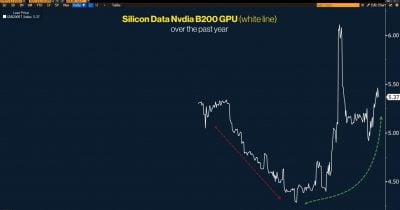
🧠Nvidia is entering the personal computer market with a new AI chip designed to compete against Intel and AMD's processors. This move could shift AI processing from cloud servers to individual devices, potentially improving user data privacy and creating a significant competitive challenge for established PC chipmakers.
🏢 Nvidia
CryptoBullishCrypto Briefing · Jun 17/10
⛓️Coinbase has obtained FIU (Financial Intelligence Unit) registration in India, enabling direct rupee bank transfers via IMPS (Immediate Payment Service). This regulatory milestone could accelerate institutional adoption and provide greater clarity for cryptocurrency operations in India's evolving regulatory landscape.
GeneralBearishCrypto Briefing · Jun 1🔥 8/10
📰Iran has halted US negotiations and threatened to close the Strait of Hormuz in response to Israeli military operations, a geopolitical escalation that threatens global oil supply chains. This development has rattled cryptocurrency markets, which remain sensitive to macroeconomic shocks stemming from energy price volatility and broader geopolitical risk.
$BTC
CryptoBearishBlockonomi · Jun 17/10
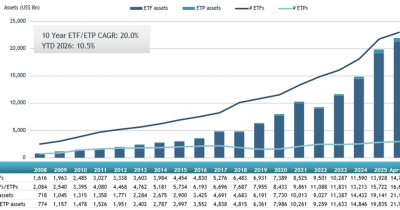
⛓️Global crypto exchange-traded products experienced $1.67 billion in outflows last week, with Bitcoin products driving the decline through $1.44 billion in redemptions. The three-week cumulative outflow of $4.21 billion has reduced total assets under management to $141.9 billion, signaling potential investor hesitation or profit-taking in the Bitcoin ETP market.
$BTC
CryptoBearishDaily Hodl · Jun 17/10
⛓️Institutional investors withdrew $1.67 billion from Bitcoin and crypto assets in a single week, marking the third consecutive week of outflows and the second-largest weekly exodus of 2024. Three-week cumulative outflows now total $4.21 billion, signaling a significant shift in institutional sentiment toward digital assets.
$BTC
GeneralBearishCrypto Briefing · Jun 1🔥 8/10
📰Israeli airstrikes on Beirut have resumed following the collapse of US-led ceasefire negotiations, escalating regional tensions and undermining diplomatic efforts. This deterioration in Middle Eastern stability creates macroeconomic uncertainty that typically impacts risk assets, including cryptocurrency markets sensitive to geopolitical volatility.
CryptoBearishDecrypt – AI · Jun 17/10
⛓️Sui blockchain experienced three network outages within 48 hours, attributed to gas calculation bugs and validator synchronization failures. The incidents highlight infrastructure vulnerabilities in layer-1 blockchains and raise questions about Sui's operational resilience during critical network functions.
GeneralBearishFortune Crypto · Jun 1🔥 8/10
📰CEO confidence dropped 12 points this quarter as the Iran War creates economic headwinds for American businesses. Corporate leaders now anticipate deteriorating conditions over the next six months, signaling potential slowdown in business investment and hiring.
CryptoBullishBlockonomi · Jun 17/10
⛓️Japan's ruling party has proposed a legal framework enabling cryptocurrency ETFs in regulated markets, allowing investors indirect exposure to digital assets. Simultaneously, lawmakers are pushing the government to expand yen-backed stablecoin adoption across Asian payment networks, signaling Japan's strategic pivot toward blockchain infrastructure.
AIBearishCrypto Briefing · Jun 17/10
🧠Florida has filed the first state-level lawsuit against OpenAI, alleging AI-related harms and establishing potential precedent for AI liability and regulation. The case could reshape how states and regulators approach accountability in the artificial intelligence industry.
🏢 OpenAI
AIBullishCrypto Briefing · Jun 17/10
🧠Nvidia has launched a new AI chip designed for personal computers that can run 120 billion parameter models locally, marking the company's strategic entry into the consumer PC market. This development prioritizes on-device AI processing, potentially shifting how users interact with AI applications while addressing data privacy concerns by reducing reliance on cloud computing.
🏢 Nvidia
GeneralBearishCrypto Briefing · Jun 1🔥 8/10
📰Iran suspended nuclear negotiations with the US following Israeli military strikes and threatened to close the Strait of Hormuz, a critical chokepoint for global oil shipments. This escalation threatens significant disruption to energy markets, which typically triggers volatility in cryptocurrency valuations and investor risk sentiment.
$BTC
GeneralBearishCrypto Briefing · Jun 1🔥 8/10
📰Iran has warned the United States that an ongoing ceasefire agreement could collapse if attacks on Lebanon persist, escalating regional tensions. The warning signals deteriorating diplomatic relations and threatens fragile peace efforts in the Middle East, with potential ripple effects across global markets.
CryptoBullishcrypto.news · Jun 17/10
⛓️Dogecoin is maintaining support at $0.10 following a partnership announcement between House of Doge and Paxos that could enable PayPal and Venmo users to access the meme coin. This integration potentially opens Dogecoin to over 100 million users through two of the largest peer-to-peer payment platforms, significantly expanding its accessibility beyond dedicated crypto exchanges.
$DOGE
GeneralNeutralFortune Crypto · Jun 1🔥 8/10
📰The Strait of Hormuz is experiencing increased ship traffic despite regional military tensions, with the U.S. Central Command actively managing approximately 70 vessel passages through the critical chokepoint over a three-week period. This operational activity underscores the geopolitical fragmentation of one of the world's most strategically important waterways amid ongoing conflicts.
AIBearishBlockonomi · Jun 17/10
🧠Three AI stocks—Nvidia, Alphabet, and Micron—are responsible for over 40% of S&P 500 earnings growth, creating unprecedented market concentration levels. This dependency on a narrow group of mega-cap AI leaders raises concerns about market vulnerability and the sustainability of current valuation multiples if growth stalls.
🏢 Nvidia
GeneralNeutralCrypto Briefing · Jun 17/10
📰Vanguard's VOO ETF is poised to become the first exchange-traded fund to surpass $1 trillion in assets under management, underscoring the massive shift toward low-cost passive investing. This milestone reflects the decades-long structural transition away from active management and highlights how index-tracking strategies have fundamentally reshaped global capital markets.
GeneralBearishCrypto Briefing · Jun 1🔥 8/10
📰An explosion on a cargo vessel in the Arabian Gulf has intensified geopolitical tensions among the US, Iran, and Israel, raising concerns about regional stability and potential disruption to critical shipping routes. Such escalation could trigger broader military conflict and significantly impact global trade and energy markets.
AI × CryptoBearishCrypto Briefing · Jun 17/10
🤖AI stocks are experiencing a valuation surge driven by market expectations, but analysts warn of a 'token mirage' risk where token-based metrics may not accurately reflect genuine productivity improvements. This pattern mirrors previous technology hype cycles that preceded significant corrections.
CryptoBearishCoinDesk · Jun 17/10
⛓️Strategy's bitcoin sale disclosure created a $14 million betting dispute on Polymarket, where bettors disagree on whether the May 31 contract should be decided by onchain transaction dates or official filing dates. The May 31 contract sits at 81% Yes while under review, highlighting ambiguity in prediction market resolution criteria.
$BTC
AIBearishCrypto Briefing · Jun 17/10
🧠Florida has filed a lawsuit against OpenAI and its CEO over alleged safety failures linked to a 2025 shooting incident. The legal action represents escalating regulatory pressure on AI companies regarding their societal responsibilities and could potentially delay OpenAI's anticipated IPO while undermining investor confidence in the sector.
🏢 OpenAI
CryptoNeutralBlockonomi · Jun 17/10
⛓️Bitmine has reduced its weekly Ethereum purchases to 26,497 ETH after accumulating approximately 5.42 million tokens, representing 4.49% of Ethereum's circulating supply. This 75% drop in weekly buying suggests the company is approaching its long-term accumulation target, marking a significant shift in its acquisition strategy.
$ETH
GeneralBullishFortune Crypto · Jun 1🔥 8/10
📰Escalating U.S.-Israeli military tensions with Iran have created the largest oil supply disruption on record, prompting Gulf Cooperation Council states to accelerate renewable energy investments worth billions of dollars. This geopolitical shock is redirecting capital flows and reshaping regional energy strategy away from fossil fuel dependency.