Real-time AI-curated news from 96,864+ articles across 50+ sources. Sentiment analysis, importance scoring, and key takeaways — updated every 15 minutes.
CryptoBullishBitcoin Magazine · Jun 17/10
⛓️Strive (ASST) is planning to raise $4.2 billion in capital to accelerate its Bitcoin accumulation strategy. This significant capital expansion demonstrates growing institutional interest in Bitcoin as a treasury asset and reflects the competitive landscape among Bitcoin-focused investment vehicles.
$BTC
DeFiBearishBankless · Jun 17/10
💎Gnosis Pay experienced a module-based security attack that compromised user funds, though the platform has committed to reimbursing affected victims. The incident raises significant questions about the robustness of the underlying smart contract architecture and module validation mechanisms.
GeneralNeutralCrypto Briefing · Jun 17/10
📰Netanyahu and Trump held discussions regarding a potential Hezbollah ceasefire proposal, signaling a possible diplomatic shift in Middle Eastern tensions. The talks could reshape regional power dynamics and may influence global market stability, including cryptocurrency and traditional assets sensitive to geopolitical risk.
AIBearishCrypto Briefing · Jun 17/10
🧠Florida has filed a lawsuit against OpenAI and Sam Altman regarding ChatGPT safety and alleged user harm, potentially establishing new legal precedent for AI company liability. The case could significantly increase regulatory scrutiny and reshape how AI products are marketed and governed.
🏢 OpenAI🧠 ChatGPT
AIBullishTechCrunch – AI · Jun 17/10
🧠Anthropic, an AI safety company, has filed confidentially for an IPO, signaling its intention to pursue a public listing. The move reflects growing investor appetite for established AI firms and positions Anthropic alongside competitors like OpenAI in exploring public markets.
🏢 Anthropic
AIBullishFortune Crypto · Jun 17/10
🧠Anthropic has confidentially filed for an IPO following a $65 billion funding round that values the AI company at $965 billion, marking an aggressive move in the competitive race with OpenAI toward public markets. This development signals accelerating momentum in the AI sector's push toward traditional capital markets and reflects investor confidence in frontier AI companies despite regulatory uncertainties.
🏢 OpenAI🏢 Anthropic
AIBullishCrypto Briefing · Jun 17/10
🧠Anthropic has filed for an IPO, positioning itself ahead of OpenAI in the race to achieve public market status. This move signals accelerating competition among AI leaders to access capital markets and reflects broader institutional validation of the AI sector's commercial viability.
🏢 OpenAI🏢 Anthropic
AI × CryptoBullishCrypto Briefing · Jun 17/10
🤖Tether AI has open-sourced TurboQuant, a technology that reduces large language model KV cache memory consumption by 5x. The release aims to democratize AI development by enabling efficient local deployment and reducing dependence on centralized cloud infrastructure.
CryptoBullishU.Today · Jun 17/10
⛓️Bitwise has launched a $259 million tokenized fund featuring XRP alongside Bitcoin and Ether, marking a significant institutional adoption milestone for Ripple's token. The fund employs a market-neutral strategy and represents growing mainstream acceptance of cryptocurrency assets through tokenized investment vehicles.
$BTC$ETH$XRP
AI × CryptoBearishCrypto Briefing · Jun 17/10
🤖Anthropic discovered a 31.5% hijack rate in its Opus 4.8 browser agent before implementing security safeguards, revealing significant vulnerabilities in AI systems that could have serious implications for cryptocurrency and financial applications. The finding underscores the critical need for robust security protocols before deploying autonomous AI agents in sensitive environments.
🏢 Anthropic🧠 Opus
GeneralBearishCrypto Briefing · Jun 1🔥 8/10
📰Russia's Central Bank is pursuing legal action against the EU over frozen assets, challenging the institutional mechanisms that enabled asset seizures during geopolitical conflict. The court's decision could reshape international precedent for how sovereign wealth is protected or deployed in sanctions regimes.
CryptoBullishBlockonomi · Jun 17/10
⛓️House of Doge has partnered with Paxos to integrate Dogecoin into Paxos's regulated cryptocurrency infrastructure, which powers major fintech platforms including PayPal, Venmo, and Mercado Libre. The partnership initially targets enterprise clients, with potential future expansion to retail users across hundreds of millions of accounts.
$DOGE
CryptoBullishBlockonomi · Jun 17/10
⛓️House of Doge has partnered with Paxos to integrate Dogecoin into enterprise-grade crypto infrastructure, potentially enabling DOGE access through major fintech platforms. This alliance signals institutional adoption momentum for Dogecoin and broadens its utility beyond retail trading channels.
$DOGE
CryptoBullishcrypto.news · Jun 17/10
⛓️Japan's ruling Liberal Democratic Party is advancing cryptocurrency reforms including crypto ETFs and yen stablecoins, positioning SoftBank to become a central player in Japan's on-chain financial infrastructure rather than remaining a crypto-adjacent conglomerate.
CryptoBearishCrypto Briefing · Jun 1🔥 8/10
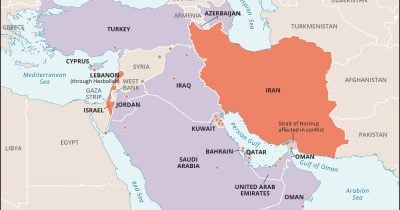
⛓️Iran has issued evacuation warnings to northern Israeli residents amid escalating Middle East tensions, triggering increased volatility across cryptocurrency markets. The geopolitical escalation underscores how macro-level conflicts drive crypto price swings and highlights the risks investors face when using leverage during periods of uncertainty.
DeFiBearishProtos · Jun 17/10
💎DeFi experienced a tumultuous weekend marked by four separate hacks, multiple Sui network outages, and a crypto card-related warning that extended market anxiety into the week. These incidents collectively highlight persistent security vulnerabilities and infrastructure fragility across decentralized finance protocols.
GeneralBearishCrypto Briefing · Jun 1🔥 8/10
📰The U.S. has intensified its blockade in the Strait of Hormuz and redirected 121 vessels amid escalating tensions with Iran. This military action threatens to disrupt global energy supply chains, potentially driving oil prices higher and creating macroeconomic ripple effects across financial markets, including cryptocurrency.
AIBullishDecrypt · Jun 17/10
🧠Anthropic, the AI company behind Claude, has confidentially filed for an IPO following a major funding round that brings its valuation near $1 trillion. This move signals growing investor confidence in AI infrastructure companies and reflects the accelerating competition in the large language model space.
$MKR🏢 Anthropic🧠 Claude
CryptoBearishCrypto Briefing · Jun 17/10
⛓️Telegram has rebranded its TON (The Open Network) coin to GRAM and announced Pavel Durov's involvement in the project. The move raises concerns about centralized control over the blockchain network, potentially undermining decentralization principles and affecting investor confidence in the ecosystem.
GeneralBearishCrypto Briefing · Jun 1🔥 8/10
📰US and Israeli airstrikes have significantly damaged Iran's military capabilities, creating uncertainty around regional stability and ongoing nuclear negotiations. The strikes may reshape Middle Eastern geopolitics and have indirect implications for global markets, including cryptocurrency volatility tied to broader macroeconomic concerns.
CryptoBearishBlockonomi · Jun 17/10
⛓️The European Central Bank has issued a formal warning that stablecoins pose significant risks to global financial stability and monetary policy control. ECB board member Isabel Schnabel highlighted concerns about liquidity mismatches and the potential for sudden confidence collapse, while noting that dollar-denominated stablecoins could further entrench U.S. dollar dominance in international finance.
CryptoBearishCrypto Briefing · Jun 17/10
⛓️Bitcoin has fallen below $71,000 for the first time since April 13, marking a significant price decline amid growing market volatility. The drop is attributed to ETF outflows and ongoing regulatory uncertainty, which are dampening investor confidence in the cryptocurrency market.
$BTC
CryptoBearishCrypto Briefing · Jun 17/10
⛓️Pavel Durov announced that Telegram will become the largest validator on the TON blockchain, giving the messaging platform significant control over the network's governance. This move raises concerns about blockchain decentralization and could reshape investor confidence in TON's independence from corporate influence.
GeneralBearishCrypto Briefing · Jun 1🔥 8/10
📰Iran has issued warnings to Israeli civilians amid escalating military tensions in the Middle East. The conflict threatens regional stability and could have ripple effects on global economic markets, including cryptocurrency volatility driven by geopolitical risk premiums.
CryptoBullishBlockonomi · Jun 17/10
⛓️Binance has launched US stock and ETF trading for international users, offering access to over 7,000 securities with fractional share purchases starting at $5 using stablecoins USDC and USDT. The service leverages Nest Trading for execution and Alpaca for custody and corporate actions, representing a significant expansion into traditional equities for crypto exchanges.