Real-time AI-curated news from 96,850+ articles across 50+ sources. Sentiment analysis, importance scoring, and key takeaways — updated every 15 minutes.
DeFiBullishBankless · Jun 17/10
💎Tacit introduces a comprehensive privacy-focused DeFi ecosystem built on Bitcoin's Layer 1, combining confidential tokens, anonymous mixers, private automated market makers, and trustless wrapped Bitcoin. This represents a significant advancement in bringing privacy-preserving financial tools to Bitcoin while maintaining decentralization and non-custodial security.
$BTC
CryptoBearishCrypto Briefing · Jun 17/10
⛓️A former Headlands Technologies trader faces criminal charges for allegedly stealing approximately $1 billion in proprietary source code, raising serious concerns about intellectual property protection in quantitative finance. The case highlights critical security vulnerabilities at high-frequency trading firms and the potential risks such breaches pose to investors and market integrity.
CryptoBullishThe Block · Jun 17/10
⛓️Grayscale is launching a Hyperliquid ETF with a 0.29% sponsor fee, positioning itself as a lower-cost alternative to existing Hyperliquid ETF offerings from competitors Bitwise and 21Shares. This move intensifies fee competition in the emerging Hyperliquid ETF market and reflects growing institutional interest in derivative exchange platforms.
AI × CryptoBullishCrypto Briefing · Jun 17/10
🤖SpaceX is pursuing a $2 trillion IPO valuation and reportedly considering adding Bitcoin to its balance sheet, signaling growing institutional adoption of cryptocurrency among mega-cap tech companies. This move could influence broader investment strategies and reshape how large corporations view digital assets as treasury holdings.
$BTC
GeneralBullishCrypto Briefing · Jun 17/10
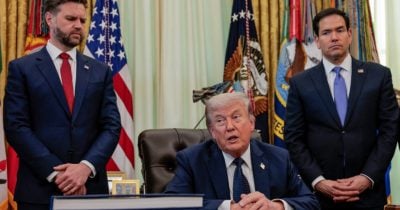
📰President Trump announced that Israel will not deploy troops to Beirut, signaling de-escalation in Middle Eastern tensions. The announcement bolsters risk assets including cryptocurrencies while reducing oil's geopolitical risk premium as markets interpret the statement as reducing immediate conflict escalation.
AIBearishFortune Crypto · Jun 17/10
🧠Florida's Attorney General sued OpenAI and CEO Sam Altman, alleging the company marketed ChatGPT to consumers while deliberately ignoring known safety risks. The lawsuit centers on claims that OpenAI prioritized adoption and revenue over user protection, raising questions about AI company accountability and regulatory oversight.
🏢 OpenAI🧠 ChatGPT
CryptoBearishCrypto Briefing · Jun 17/10
⛓️Strategy, a prominent Bitcoin holder, has sold Bitcoin for the first time since December 2022, marking a significant departure from its previously stated "never sell" philosophy. This move signals potential shifts in institutional confidence regarding long-term Bitcoin holdings and may influence how other major crypto investors approach their reserve strategies.
$BTC
AIBullishArs Technica – AI · Jun 17/10
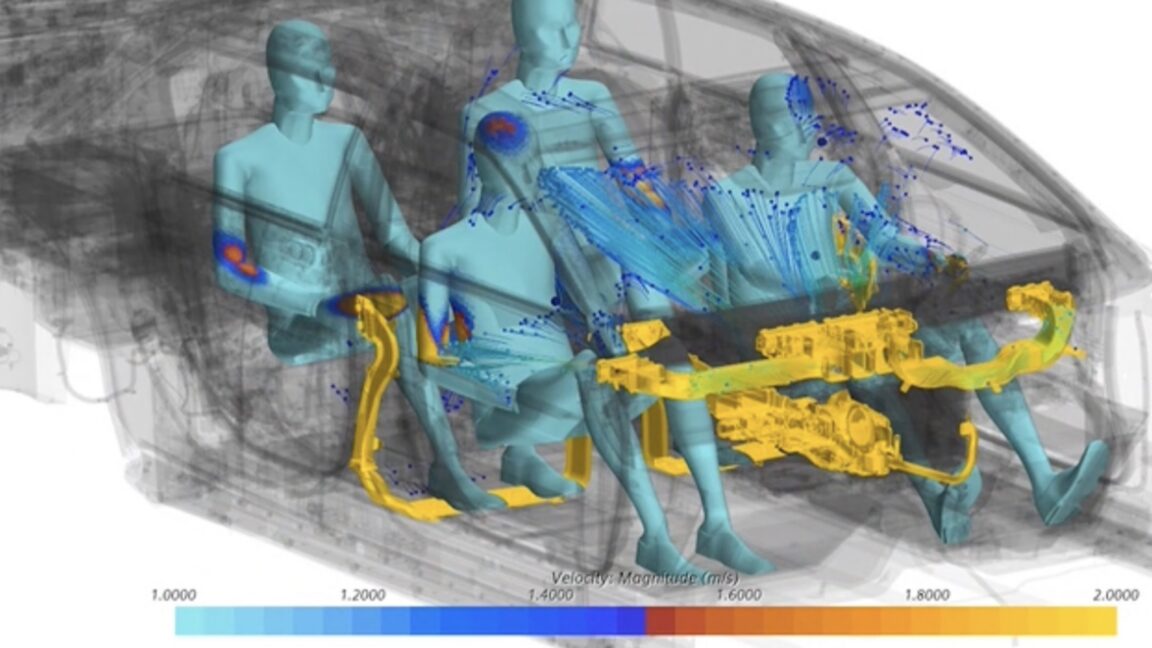
🧠General Motors is leveraging AI and machine learning to dramatically accelerate vehicle development cycles, reducing computational simulation time from 15 hours to one minute through advanced virtualization techniques including CFD, FEA, and digital twins. This technological shift demonstrates how AI adoption in traditional manufacturing can create substantial efficiency gains and competitive advantages in automotive design and production.
GeneralNeutralCrypto Briefing · Jun 17/10
📰Trump announced a potential Hezbollah ceasefire following a call with Israeli Prime Minister Netanyahu, marking a possible diplomatic shift in Middle Eastern tensions. The development could reshape US-Iran relations and regional stability, with potential ripple effects on global markets and geopolitical risk assessments.
GeneralBearishCrypto Briefing · Jun 17/10
📰A drone strike on a Gulf freight vessel has intensified regional military tensions, threatening critical global trade routes and energy supply chains. The incident raises concerns about potential military escalation and disruption to international commerce and energy markets.
AI × CryptoBullishCrypto Briefing · Jun 17/10
🤖Anthropic has filed confidential IPO paperwork, signaling its preparation to go public and potentially challenging OpenAI's market timing. The AI startup recently secured $65 billion in funding at a $965 billion valuation and launched its latest model, Opus 4.8, positioning itself as a formidable competitor in the generative AI space.
$MKR🏢 OpenAI🏢 Anthropic🧠 Claude
AINeutralCrypto Briefing · Jun 17/10
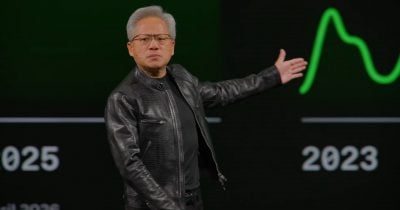
🧠Nvidia CEO Jensen Huang reported that AI-generated code commits on GitHub surged to 1.4 billion in 2026, tripling from previous levels. While this demonstrates significant productivity gains from AI-assisted development, it raises substantial questions about code quality, security vulnerabilities, and the adequacy of current review processes.
🏢 Nvidia
AIBullishCrypto Briefing · Jun 17/10
🧠Tesla's Full Self-Driving (FSD) Supervised system has successfully completed coast-to-coast autonomous drives without human intervention, marking a significant milestone in autonomous vehicle development. The achievement could reshape the competitive landscape, disrupt traditional automotive markets, and trigger intensified regulatory scrutiny around safety standards and liability frameworks.
AIBullishCrypto Briefing · Jun 17/10
🧠Nvidia and TSMC have partnered to integrate artificial intelligence directly into semiconductor manufacturing processes. This collaboration aims to accelerate chip production cycles and improve manufacturing efficiency, potentially reshaping the economics of the semiconductor industry.
🏢 Nvidia
DeFiBullishCrypto Briefing · Jun 17/10
💎Vitalik Buterin has proposed an options-based DeFi model designed to reduce liquidation events and minimize volatility-related risks. The proposal aims to create a more stable and resilient decentralized finance ecosystem by addressing one of DeFi's persistent pain points.
AINeutralCrypto Briefing · Jun 17/10
🧠OpenAI is developing software designed to reduce its dependency on Nvidia's hardware dominance in AI infrastructure. This initiative aims to democratize AI hardware access and foster competition in the sector, though significant execution risks remain.
🏢 OpenAI🏢 Nvidia
GeneralBearishCrypto Briefing · Jun 1🔥 8/10
📰Trump has pledged to maintain a US blockade of the Strait of Hormuz amid escalating Iran tensions, with market predictions suggesting a 38% probability that normal traffic will resume by July 31. This geopolitical stance carries significant implications for global energy markets and cryptocurrency volatility.
AIBullishWired – AI · Jun 17/10
🧠Anthropic, the AI company behind Claude, has confidentially filed for an IPO that could rank among the largest ever, following SpaceX's recent public market announcement. The move signals major AI companies are pursuing liquidity events as the sector experiences explosive growth and valuation pressure.
🏢 Anthropic🧠 Claude
GeneralBearishCrypto Briefing · Jun 1🔥 8/10
📰Israel has intensified military airstrikes against Lebanon in response to ongoing Hezbollah attacks, significantly escalating regional conflict. The escalation reduces prospects for peace negotiations and increases geopolitical instability, with potential ripple effects across global markets including cryptocurrency and commodities.
AIBullishCrypto Briefing · Jun 17/10
🧠OpenAI is preparing to release Triton, a software tool designed to reduce Nvidia's dominance in AI hardware by enabling developers to write code that runs efficiently on multiple GPU platforms. This move could strengthen AMD's position in AI infrastructure and create a more competitive, diversified hardware ecosystem for artificial intelligence applications.
🏢 OpenAI🏢 Nvidia
AIBullishCrypto Briefing · Jun 17/10
🧠OpenAI is developing a software abstraction layer that enables AI models to run across chips from multiple manufacturers including Nvidia, AMD, and Broadcom, rather than being locked into Nvidia's hardware ecosystem. This move could reduce Nvidia's monopoly on AI infrastructure and increase competition in the semiconductor market, though significant execution challenges remain.
🏢 OpenAI🏢 Nvidia
AIBullishBlockonomi · Jun 17/10
🧠Fluence Energy (FLNC) stock surged 39% following an announcement of a strategic AI data center partnership with Nvidia and Siemens, supported by a substantial $10.1 billion order backlog. The deal signals growing demand for energy infrastructure solutions tailored to support large-scale AI operations.
🏢 Nvidia
DeFiNeutralCoinDesk · Jun 17/10
💎Vitalik Buterin proposed a structural redesign for DeFi index-tracking assets using options contracts instead of traditional debt-based mechanisms. This approach aims to improve resilience during market downturns and addresses systemic vulnerabilities in current DeFi protocols.
$ETH
GeneralBullishCrypto Briefing · Jun 17/10
📰SpaceX is targeting a mid-June 2026 IPO with a $1.75 trillion valuation, which would exceed any public offering in history. This unprecedented milestone could reshape market dynamics and establish new benchmarks for technology sector valuations.
AIBearishFortune Crypto · Jun 17/10
🧠Goldman Sachs analysis reveals that Gen Z workers face disproportionate job displacement from AI automation, with economic inequality expected to worsen significantly in coming years. The report presents a nuanced picture where AI's productivity gains mask substantial intergenerational wealth and employment disparities.