Real-time AI-curated news from 96,812+ articles across 50+ sources. Sentiment analysis, importance scoring, and key takeaways — updated every 15 minutes.
CryptoBullishDecrypt – AI · Jun 17/10
⛓️Telegram CEO Pavel Durov announced that The Open Network (TON) will be rebranded to Gram, its originally planned name, as Telegram assumes operational control of the project years after initially abandoning it. The announcement triggered a price surge in Toncoin (TON), reflecting market enthusiasm for Telegram's renewed involvement and the symbolic return to the project's original vision.
AIBearishFortune Crypto · Jun 17/10
🧠Cognizant's research head warns that artificial intelligence is disrupting jobs far faster than originally projected, with 90% of jobs facing disruption by 2032—a timeline now arriving 6 years ahead of schedule. No sector, from white-collar professions to trades like plumbing, remains immune as AI handles inspection, diagnosis, and decision-making tasks alongside human workers.
AIBearishSimon Willison Blog · Jun 17/10
🧠Hackers exploited Meta's AI systems to gain unauthorized access to high-profile Instagram accounts by simply requesting assistance from the company's AI tools. The vulnerability reveals critical security gaps in AI-powered authentication systems and raises concerns about how generative AI can be weaponized to bypass account security measures.
🏢 Meta
CryptoBullishcrypto.news · Jun 17/10
⛓️Coinbase is escalating its advocacy for the CLARITY Act, a proposed U.S. crypto market regulation bill heading for a Senate vote this month. The exchange's leadership, including executive Shirzad, is publicly campaigning for the legislation's passage to establish clearer regulatory frameworks for digital assets.
CryptoBullishFortune Crypto · Jun 17/10
⛓️Singapore Gulf Bank launches as a crypto-friendly financial institution through a partnership between the Whampoa Group and Bahrain's sovereign wealth fund Mumtalakat, with Amy Lee, niece of Singapore's founding prime minister, playing a key role in the venture. The bank represents growing institutional adoption of cryptocurrency services in Asia's financial hub.
AIBearishArs Technica – AI · Jun 17/10
🧠Hackers exploited a vulnerability in Meta's AI support chatbot to gain unauthorized access to high-value Instagram handles, which were then stolen and resold before the company patched the security flaw. The incident highlights critical vulnerabilities in AI-driven customer support systems and raises concerns about account security across major social platforms.
🏢 Meta
CryptoBullishBlockonomi · Jun 17/10
⛓️Tether has co-led a $7.5M seed round in Utexo, formally endorsing RGB as the native protocol for USDT on Bitcoin. The RGB protocol enables confidential, client-side asset verification with fixed costs and full transaction privacy, while Utexo integrates Bitcoin's base layer, Lightning Network, and RGB into a unified API designed for payment service providers, exchanges, and high-frequency trading desks.
$BTC
CryptoBullishBitcoinist · Jun 17/10
⛓️Japan's ruling Liberal Democratic Party (LDP) has proposed regulatory frameworks for cryptocurrency exchange-traded funds (ETFs) and promoted the development of yen-denominated stablecoins. This initiative marks a significant policy shift toward legitimizing digital assets in one of Asia's largest economies and could establish Japan as a regional hub for crypto innovation.
$SOL
AIBearishFortune Crypto · Jun 17/10
🧠Harvard Law analysis reveals that Anthropic's proposed adoption of investor-overriding mission safeguards faces significant structural challenges, citing historical failures of similar governance mechanisms at companies like Ben & Jerry's. The article raises questions about whether such protective structures can survive pressure from Wall Street investors.
🏢 Anthropic
AIBullishFortune Crypto · Jun 17/10
🧠Anthropic has confidentially filed its S-1 registration statement with the SEC, signaling an imminent IPO and positioning itself ahead of OpenAI in the race to go public. The filing marks a significant milestone for the AI startup and suggests that major AI companies are accelerating their paths to public markets.
🏢 OpenAI🏢 Anthropic
CryptoBullishDecrypt – AI · Jun 17/10
⛓️Kalshi, a U.S.-regulated derivatives platform, has filed to certify perpetual futures contracts for multiple altcoins including XRP, Solana, and Dogecoin. This move represents a significant step toward mainstream adoption of altcoin derivatives in the American market, following the platform's earlier expansion into crypto futures trading.
$XRP$DOGE$SOL
DeFiBearishThe Block · Jun 17/10
💎Radiant Capital is shutting down after failing to recover meaningful funds from a $50 million exploit in 2024 and being unable to raise new capital to continue operations. The collapse underscores the financial and reputational devastation that major security breaches inflict on DeFi protocols.
DeFiBullishcrypto.news · Jun 17/10
💎Vitalik Buterin has proposed an options-based framework for crypto index products that could eliminate forced liquidations by replacing collateralized debt positions with options contracts. This architectural shift addresses a persistent pain point in DeFi where sudden market movements trigger cascade liquidations, potentially stabilizing the ecosystem.
AIBearishThe Verge – AI · Jun 17/10
🧠Meta's AI support chatbot was exploited by hackers to hijack high-profile Instagram accounts, including Barack Obama's White House account, by requesting email address changes and password resets. The vulnerability has since been patched, but the incident highlights critical security gaps in AI-powered customer support systems.
GeneralBearishCrypto Briefing · Jun 1🔥 8/10
📰Israel has launched a ground invasion into southern Lebanon following the collapse of ceasefire negotiations, escalating regional conflict and heightening geopolitical tensions. This military action undermines diplomatic peace efforts and increases instability across the Middle East, with potential ripple effects on global markets and cryptocurrency volatility.
CryptoBullishBitcoin Magazine · Jun 17/10
⛓️Coinbase executive Faryar Shirzad characterizes the CLARITY Act as crypto's potential "Dodd-Frank moment" as the legislation advances toward a Senate floor vote this month. The act represents a significant regulatory framework that could establish comprehensive oversight standards for the cryptocurrency industry, similar to how the 2010 Dodd-Frank Act reshaped financial regulation post-2008 crisis.
$BTC
DeFiBullishU.Today · Jun 17/10
💎Vitalik Buterin has proposed an options-based architectural redesign for DeFi to eliminate flash liquidations, a critical vulnerability that has drained millions from users. This proposal addresses a persistent pain point in decentralized finance where sudden price movements trigger automatic liquidations, often exacerbated by MEV exploitation and insufficient collateralization safeguards.
$ETH
CryptoBearishProtos · Jun 17/10
⛓️Twenty One, a cryptocurrency company listed on the NYSE, faces a four-day deadline to achieve sufficient audit committee independence or face NYSE penalties. The compliance issue centers on the composition and independence standards required for publicly-listed companies' audit committees under exchange regulations.
CryptoBullishNewsBTC · Jun 17/10
⛓️Bitcoin is trading above $60,000 with debate over whether this represents a macro bottom or the beginning of another decline. Technical analysis using weekly RSI indicators suggests Bitcoin may have already capitulated, similar to previous bear market bottoms in 2015, 2018, and 2022, though confirmation requires breaking above key moving averages and the $80,000 level.
$BTC$XRP
AIBearishArs Technica – AI · Jun 17/10
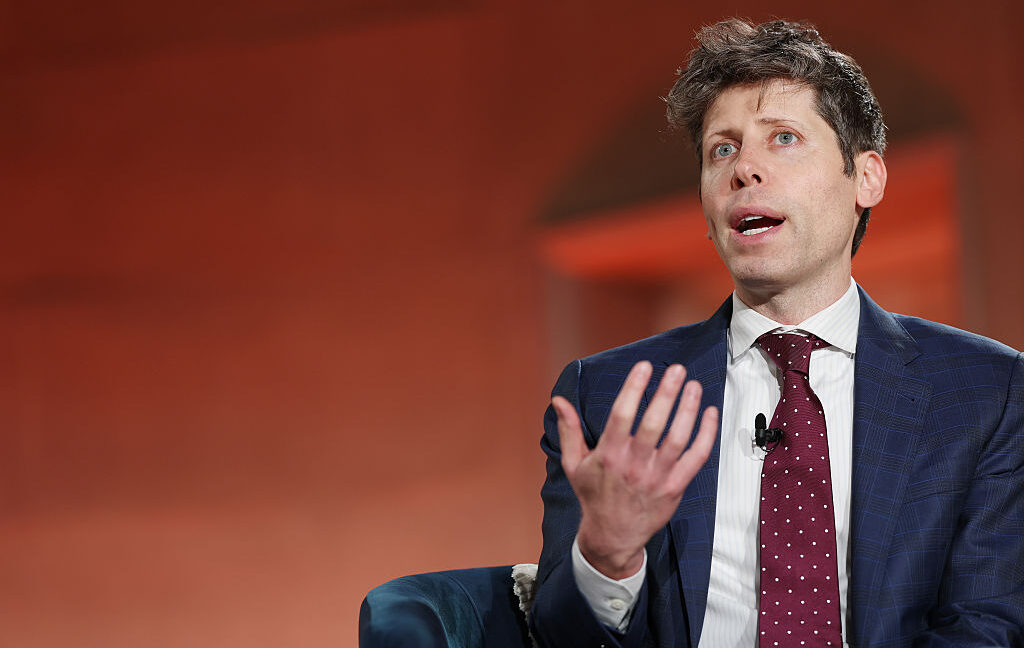
🧠Florida's Attorney General has filed a lawsuit against OpenAI and Sam Altman, alleging that ChatGPT's responses contributed to multiple murders. The AG claims Altman demonstrates an "utter disregard" for human lives, raising serious questions about AI companies' liability for harmful outputs and content moderation practices.
🏢 OpenAI🧠 ChatGPT
AI × CryptoBullishCrypto Briefing · Jun 17/10
🤖Qualcomm CEO Cristiano Amon projects that AI's explosive growth will drive token demand to 1.27 trillion every 10 seconds by 2030, signaling massive infrastructure requirements that will benefit chipmakers and reshape technology industry dynamics. This forecast underscores the convergence of AI and blockchain as computational demands accelerate.
GeneralBullishCrypto Briefing · Jun 17/10
📰Trump announces de-escalation measures in the Israel-Hezbollah conflict, potentially reducing regional military tensions and improving market perceptions of geopolitical stability. This development could have ripple effects on global asset markets, including cryptocurrency, which typically responds positively to reduced geopolitical risk.
GeneralBearishCrypto Briefing · Jun 1🔥 8/10
📰Iran's threats to close the Strait of Hormuz amid escalating US tensions have triggered a sharp rise in oil prices, signaling potential disruption to global energy supply. The geopolitical crisis threatens broader economic stability and could drive increased volatility across cryptocurrency and traditional asset markets.
AIBearishBlockonomi · Jun 17/10
🧠Florida has filed a historic lawsuit against OpenAI and CEO Sam Altman, alleging that ChatGPT poses serious risks to minors and seeking billions in damages. The action represents a significant escalation in regulatory scrutiny of AI companies regarding child safety compliance.
🏢 OpenAI🧠 ChatGPT
AIBearishBlockonomi · Jun 17/10
🧠Florida has filed a landmark lawsuit against OpenAI and CEO Sam Altman, alleging that ChatGPT poses significant safety risks to children. The state is seeking billions in damages and demanding platform modifications to address child protection concerns.
🏢 OpenAI🧠 ChatGPT