Real-time AI-curated news from 99,265+ articles across 50+ sources. Sentiment analysis, importance scoring, and key takeaways — updated every 15 minutes.
CryptoBearishCrypto Briefing · May 117/10
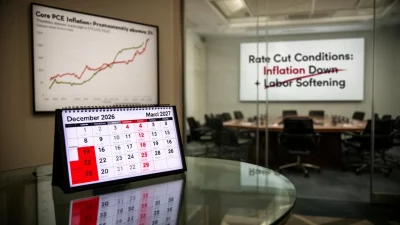
⛓️Goldman Sachs has extended its forecast for the first Federal Reserve rate cut to December 2026, citing persistent inflation pressures. This delay in monetary easing could maintain elevated interest rates longer than previously expected, tightening financial liquidity and strengthening the US dollar, with potential ripple effects on cryptocurrency markets and global asset demand.
CryptoBearishU.Today · May 117/10
⛓️South Korea's cryptocurrency market is experiencing a severe downturn characterized by plunging trading volumes and market contraction. The crisis represents a significant reversal for what was once a globally influential crypto hub, with implications for regional and international digital asset markets.
CryptoBullishCrypto Briefing · May 117/10
⛓️ECB Vice President de Guindos signaled caution against aggressive interest rate hikes in his departing remarks, suggesting the central bank may pause or slow its monetary tightening cycle. This dovish positioning is expected to improve liquidity conditions and reduce risk-off sentiment, creating a more favorable environment for cryptocurrency and other risk assets.
GeneralBearishCrypto Briefing · May 117/10
📰UK government bond yields are rising amid political uncertainty surrounding Prime Minister Starmer, potentially increasing borrowing costs for mortgages and corporations. This economic pressure reflects broader concerns about fiscal stability and investor confidence in UK debt securities.
CryptoNeutralCoinDesk · May 117/10
⛓️The crypto market faces a week of significant macroeconomic catalysts including a new Federal Reserve chair appointment, Base blockchain's Azul upgrade, and corporate earnings reports that could influence risk sentiment and digital asset valuations across major sectors.
GeneralBearishCrypto Briefing · May 117/10
📰Oil tankers in the Strait of Hormuz are disabling tracking systems amid escalating US-Iran tensions, creating uncertainty for global petroleum markets and shipping routes. This geopolitical instability poses risks to oil price volatility and broader economic conditions that indirectly affect cryptocurrency and digital asset markets.
CryptoBearishcrypto.news · May 117/10
⛓️Australia's Labor government proposes replacing the country's 50% capital gains tax discount with an inflation-indexed model, potentially increasing tax obligations for cryptocurrency investors holding long-term positions. This reform aims to modernize tax policy but could make Australia less attractive for digital asset investment compared to other jurisdictions.
CryptoNeutralcrypto.news · May 117/10
⛓️Galaxy Digital has identified seven Senate Democrats as potential swing votes on the CLARITY Act, a crypto market structure bill scheduled for markup this week. The identification of these key Democrats signals a critical juncture for the legislation, which could significantly reshape regulatory frameworks for digital assets.
GeneralBearishCrypto Briefing · May 117/10
📰South Korea has condemned an attack on a vessel in the Strait of Hormuz, highlighting escalating regional tensions that threaten global energy security. The incident underscores geopolitical risks that could disrupt oil markets and complicate diplomatic efforts in one of the world's most critical shipping routes.
CryptoBullishBlockonomi · May 117/10
⛓️Sui (SUI) experienced a 50% weekly surge driven by 108M tokens entering institutional staking, announcement of zero-fee stablecoin plans, and a bullish technical analysis call from trader Peter Brandt. The rally reflects growing institutional interest and optimistic sentiment around the platform's scaling capabilities and financial infrastructure developments.
$SUI
CryptoBullishBlockonomi · May 117/10
⛓️Andreessen Horowitz's crypto fund led a $300M investment in Digital Asset Holdings' Canton Network at a $2B valuation. The network has processed $6T in tokenized assets and attracts significant institutional support, marking continued enterprise adoption of blockchain infrastructure for digital asset settlement.
CryptoBullishcrypto.news · May 117/10
⛓️Crypto.com has obtained a Specified Virtual Asset (SVA) license from the UAE, enabling Dubai government entities to accept virtual asset payments for fees, with settlements conducted in UAE dirhams or approved stablecoins. This regulatory milestone represents a significant step toward mainstream government adoption of cryptocurrency infrastructure in the Middle East.
CryptoBullishBlockonomi · May 117/10
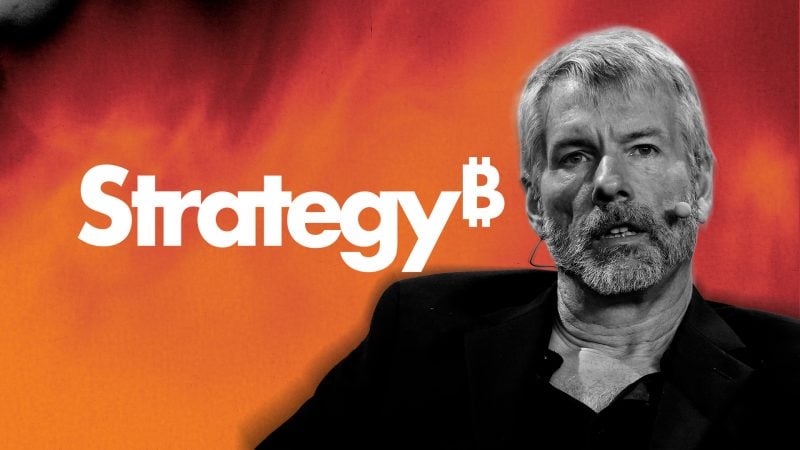
⛓️MicroStrategy's Michael Saylor signals the company plans to resume Bitcoin accumulation following Q1 earnings that indicated potential BTC sales for dividend payments. This marks a strategic pivot from recent liquidation concerns, suggesting renewed conviction in Bitcoin's long-term value despite near-term capital allocation pressures.
$BTC
CryptoBearishBlockonomi · May 117/10
⛓️Bank of England Governor Andrew Bailey has warned that the UK faces significant exposure to a potential stablecoin crisis, citing stricter regulatory conversion rules that diverge from the US approach. This regulatory divergence creates systemic risks for Britain's financial stability and crypto market infrastructure.
CryptoBearishcrypto.news · May 117/10
⛓️Bank of England Governor Andrew Bailey has warned that international regulators may face significant disagreement with the United States over stablecoin regulation and governance in global payment systems. The divergence in regulatory approaches between jurisdictions could create friction in coordinating global cryptocurrency oversight.
GeneralBearishCrypto Briefing · May 117/10
📰UK Prime Minister Starmer's recent diplomatic stance toward Israel has escalated regional tensions and potentially undermined Netanyahu's political position. The shift in Britain's Middle East policy carries implications for broader geopolitical stability and could reshape international diplomatic alignments in the region.
GeneralBearishCrypto Briefing · May 117/10
📰India's central bank (RBI) intervened in currency markets to support the rupee as US-Iran geopolitical tensions drove oil prices higher, creating macroeconomic headwinds for emerging markets. The intervention underscores how global geopolitical shocks transmit through commodity markets to affect currency stability and broader financial conditions worldwide.
CryptoBearishBlockonomi · May 117/10
⛓️A major Ethereum whale transferred $1.35 billion in ETH to Binance over four days amid concurrent $103.6 million in ETF outflows, raising concerns about potential large-scale selling pressure. With ETH holding at $2,300, the market faces uncertainty about whether the asset will sustain current levels or experience a significant correction.
$ETH
CryptoBullishBlockonomi · May 117/10
⛓️Bitcoin maintains its position above the $80,000 support level as market participants monitor for a potential retest and subsequent rally signal. Upcoming CPI data on Tuesday and strong inflows into Morgan Stanley's Bitcoin ETF suggest key catalysts ahead for price direction.
$BTC
GeneralBearishCrypto Briefing · May 117/10
📰Deteriorating US-Iran nuclear negotiations are intensifying geopolitical tensions and driving oil price volatility, which in turn fuels inflation concerns globally. This dynamic is pressuring gold prices downward despite traditional safe-haven demand, as markets grapple with competing inflation and growth narratives.
GeneralBearishCrypto Briefing · May 117/10
📰Oil prices surged 4.1% following President Trump's rejection of Iran's peace proposal, signaling escalating geopolitical tensions in the Middle East. Rising energy costs threaten to amplify global economic instability, with ripple effects across consumer markets and cryptocurrency volatility.
CryptoBullishThe Block · May 117/10
⛓️MicroStrategy's Michael Saylor announced during an earnings call that the company would purchase 10-20 bitcoins for every bitcoin it sells, signaling aggressive accumulation despite considering using its bitcoin holdings to fund STRC dividends. This statement reflects the firm's long-term bullish stance on bitcoin while balancing shareholder returns.
$BTC
CryptoNeutralcrypto.news · May 117/10
⛓️Bitcoin experienced significant price volatility near $80K following President Trump's rejection of Iran's peace proposal, triggering geopolitical tensions that rippled through cryptocurrency markets. The rejection sparked short liquidations and pushed trader targets toward $85K, demonstrating crypto's sensitivity to macroeconomic and geopolitical events.
$BTC
CryptoBullishCoinDesk · May 117/10
⛓️Seven major Bitcoin mining pools controlling approximately 75% of global hashrate have joined the Stratum V2 working group, adopting an open standard protocol that redistributes block construction authority back to individual miners rather than pool operators. This shift represents a significant move toward decentralization in Bitcoin mining and reduces the concentration of power among large pool coordinators.
$BTC
AIBullishOpenAI News · May 117/10
🧠OpenAI has launched DeployCo, a new enterprise-focused subsidiary designed to help organizations implement frontier AI models into production environments and achieve measurable business outcomes. This move signals OpenAI's strategic shift toward becoming a comprehensive AI deployment and integration partner for enterprises.
🏢 OpenAI