Real-time AI-curated news from 99,391+ articles across 50+ sources. Sentiment analysis, importance scoring, and key takeaways — updated every 15 minutes.
GeneralBearishCrypto Briefing · May 117/10
📰The S&P 500 has gained 142% when including AI stocks but only 16% without them, revealing extreme market concentration in the AI sector. This disparity raises critical concerns about portfolio vulnerability and systemic risk if AI valuations correct or investor sentiment shifts.
AIBullishCrypto Briefing · May 117/10
🧠SoftBank is entering large-scale battery cell manufacturing to support AI infrastructure, addressing critical energy constraints that limit data center scalability. This vertical integration strategy aims to reduce dependence on traditional power grids and could reshape how AI providers handle power requirements.
CryptoBullishCrypto Briefing · May 117/10
⛓️Bitcoin briefly exceeded $82,000 as macroeconomic conditions shift in favor of risk assets, signaling growing institutional adoption of cryptocurrency as a macro hedge. Sui (SUI) surged 25% during the same period, reflecting broader altcoin momentum amid favorable market sentiment.
$BTC$SUI
GeneralBearishCrypto Briefing · May 117/10
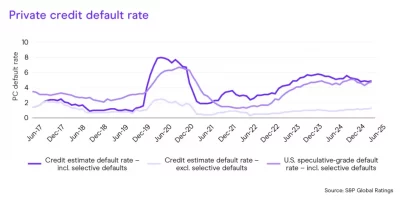
📰Private-credit firms face declining returns as Federal Reserve rate cuts compress yields, while simultaneously confronting risks of elevated default rates. This margin squeeze threatens profitability across the sector and has broader implications for credit availability and risk management in non-traditional lending markets.
CryptoBullishCrypto Briefing · May 117/10
⛓️Jack Dorsey's Block is pursuing initiatives to establish Bitcoin as a medium for everyday transactions, aiming to accelerate mainstream adoption. While these efforts could fundamentally reshape Bitcoin's utility and acceptance, they face significant regulatory obstacles that could limit their implementation.
$BTC
CryptoNeutralCrypto Briefing · May 117/10
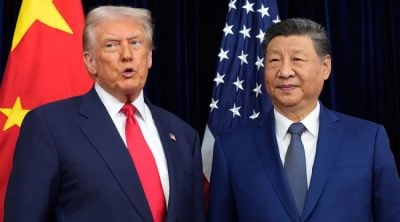
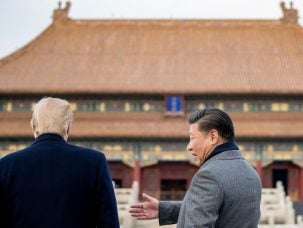
⛓️Beijing has confirmed a state visit and summit between Trump and Xi Jinping scheduled for May 14-15, with potential significant implications for cryptocurrency markets. The geopolitical engagement could influence Bitcoin mining economics and broader digital asset sentiment through policy outcomes affecting the sector.
$BTC
GeneralBearishCrypto Briefing · May 11🔥 8/10
📰Disruptions in the Strait of Hormuz triggered by Iran tensions are forcing insurance companies to withdraw coverage from shipping routes, creating significant vulnerabilities in global energy supply chains. This geopolitical crisis threatens to reshape international trade patterns and could have ripple effects across commodity markets and cryptocurrency volatility.
GeneralBearishCrypto Briefing · May 117/10
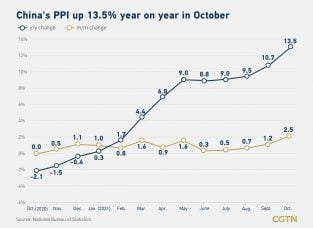
📰China's April inflation data shows PPI rising 2.8% and CPI increasing 1.2% year-on-year, marking the end of a three-year deflation period. This development constrains Beijing's monetary easing options and may cause its economic policy to diverge from the US Federal Reserve's approach, with potential implications for global markets and cryptocurrency volatility.
GeneralBearishCrypto Briefing · May 11🔥 8/10
📰Israeli Prime Minister Netanyahu has reiterated that the conflict with Iran remains active and demanded the removal of enriched uranium, signaling a hardline stance that could escalate military tensions. Analysts warn his position may undermine diplomatic efforts and increase geopolitical instability with broader implications for global security and markets.
GeneralBearishCrypto Briefing · May 117/10
📰Israeli Prime Minister Netanyahu has issued demands for Iran to remove enriched uranium stockpiles, escalating tensions in ongoing US-Iran nuclear negotiations. The ultimatum complicates diplomatic efforts and reduces prospects for regional stability and a renewed nuclear agreement.
CryptoBearishCrypto Briefing · May 117/10
⛓️South Korea has confirmed that external strikes caused a fire on the HMM Namu vessel, an incident with cascading effects on cryptocurrency mining economics through energy cost disruptions. The event threatens Bitcoin mining profitability and creates uncertainty in geopolitical negotiations that could further destabilize energy markets.
$BTC
GeneralNeutralCrypto Briefing · May 117/10
📰Iran has proposed ending regional conflict and lifting international sanctions, a geopolitical development that could significantly impact global oil markets and cryptocurrency volatility. The proposal addresses longstanding tensions and may reshape energy markets and risk asset valuations, including digital assets sensitive to macro uncertainty.
$XRP
GeneralBearishCrypto Briefing · May 117/10
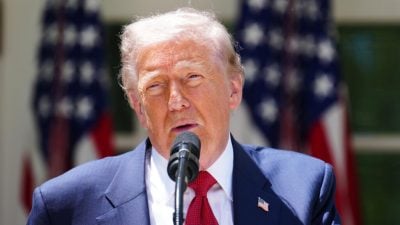
📰Trump rejected Iran's peace proposal, escalating geopolitical tensions that have driven oil prices higher. Rising energy costs pose risks to global economic stability through inflationary pressures and potential central bank policy shifts, with cascading effects on financial markets and cryptocurrency valuations.
CryptoBullishBlockonomi · May 107/10
⛓️Cryptocurrency firms are proactively upgrading wallet infrastructure to support post-quantum cryptographic signatures, specifically NIST-approved algorithms like ML-DSA, before blockchain protocols implement their own quantum-resistant changes. While institutions with existing Multi-Party Computation (MPC) infrastructure can migrate relatively easily through code updates, wallet-level upgrades alone cannot fully protect users without corresponding protocol-level security enhancements.
AIBullishCrypto Briefing · May 107/10
🧠xAI has announced a $10 billion partnership with Cursor to advance AI-powered coding capabilities. The deal is expected to enhance development efficiency, create new revenue opportunities, and shift how investors perceive the convergence of AI and developer tools in the technology sector.
🏢 xAI
GeneralBearishCrypto Briefing · May 10🔥 8/10
📰Iranian drones struck a South Korean vessel in the Strait of Hormuz, escalating regional tensions. The incident threatens critical global shipping routes and could destabilize energy markets, with potential cascading effects on commodity prices and financial markets.
CryptoBullishBlockonomi · May 107/10
⛓️$PENGU, the token behind Pudgy Penguins, has achieved significant mainstream legitimacy through retail partnerships in over 10,000 stores globally and becoming only the second memecoin to file for an SEC ETF. The project combines substantial social media reach with tangible merchandise distribution, positioning itself as a potential evolution beyond traditional memecoins.
$DOGE$PENGU
GeneralBearishCrypto Briefing · May 107/10
📰US stock futures declined following President Trump's rejection of a proposed Iranian response, intensifying geopolitical tensions. The market reaction underscores how political decisions and international conflicts directly influence investor sentiment and asset price movements across equities and broader financial markets.
GeneralNeutralCrypto Briefing · May 10🔥 8/10
📰Donald Trump is set to discuss potential Iran conflict with Chinese President Xi Jinping during a Beijing visit, with outcomes expected to significantly impact global oil markets and US-China relations. The summit could reshape geopolitical dynamics and economic stability worldwide.
GeneralBearishFortune Crypto · May 10🔥 8/10
📰Escalating U.S.-Iran tensions over the Strait of Hormuz have derailed ceasefire negotiations, prompting Trump to reject Iran's response and consider military intervention. The geopolitical friction is triggering broader market selloffs as investors assess risks to global oil supplies and economic stability.
GeneralBearishCrypto Briefing · May 107/10
📰Trump rejected Iran's peace proposal, triggering a sharp rise in oil prices amid escalating geopolitical tensions. The market volatility stemming from this diplomatic breakdown could create significant fluctuations across both traditional and cryptocurrency markets.
AI × CryptoBearishCrypto Briefing · May 107/10
🤖Cerebras Systems successfully raised its IPO price range amid massive oversubscription, reflecting strong investor appetite for AI chip technology. This capital shift toward AI infrastructure raises concerns about venture funding availability for cryptocurrency and blockchain projects competing for the same investment pool.
AI × CryptoBullishBlockonomi · May 107/10
🤖Strategy reported its strongest software quarter in a decade with 12% revenue growth and 59% cloud revenue surge in Q1 2026, while expanding controllable margins by 27% to fund Bitcoin operations. The company launched Mosaic, an AI platform integrating LLMs and data warehouses, positioning itself at the intersection of enterprise software and cryptocurrency infrastructure.
$BTC
CryptoBullishThe Block · May 107/10
⛓️Morgan Stanley's bitcoin ETF (MSBT) attracted $194 million in inflows during its first month with zero net daily outflows, demonstrating strong investor demand. However, the fund's growth remains constrained as the bank's 16,000-person financial advisor network has not yet received regulatory clearance to recommend it to clients.
$BTC
GeneralBullishCrypto Briefing · May 107/10
📰The UK and France are leading a multinational maritime security mission to escort ships through the Strait of Hormuz, a critical global oil trade chokepoint. The initiative represents a shift toward collaborative international approaches to securing vital shipping routes that impact global energy markets and economic stability.