Real-time AI-curated news from 99,424+ articles across 50+ sources. Sentiment analysis, importance scoring, and key takeaways — updated every 15 minutes.
CryptoBullishBlockonomi · May 107/10
⛓️HBAR is approaching a $0.10 breakout amid renewed ETF inflows of $2.5M and significant enterprise adoption, including FedEx joining Hedera's Governing Council alongside McLaren and insurance partners. The token has posted 8% weekly gains in May 2026, with analysts targeting $0.12 and higher price levels.
GeneralBearishFortune Crypto · May 10🔥 8/10
📰A Mexican cartel deployed drone-launched explosives against rural communities, triggering the displacement of 800-1,000 families within days. The escalation represents a significant militarization of organized crime operations and poses critical questions about state capacity, regional stability, and humanitarian crises in Latin America.
CryptoBullishBlockonomi · May 107/10
⛓️The XRP Ledger Foundation has expanded its leadership structure to enhance developer and validator coordination while reinforcing XRP's role as a core liquidity bridge for settlement flows and tokenized assets. The network is advancing its infrastructure through compliance tools, lending mechanisms, and programmable settlement features that position it as a regulated, enterprise-grade blockchain solution.
$XRP
GeneralBearishCrypto Briefing · May 107/10
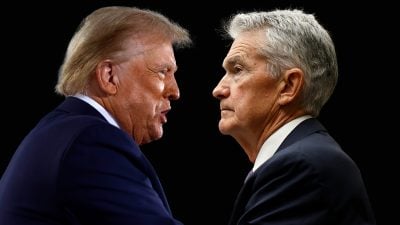
📰Federal Reserve Chair Jerome Powell is defending the central bank's independence against pressure from incoming Trump administration officials who have suggested greater presidential influence over monetary policy. The dispute centers on constitutional boundaries of executive power over the Fed, with significant implications for inflation control, financial stability, and the institutional structure of U.S. economic governance.
GeneralBearishCrypto Briefing · May 10🔥 8/10
📰Middle East geopolitical tensions are disrupting oil supply chains, creating upward pressure on WTI crude prices. The supply disruption underscores fragilities in global energy infrastructure and may accelerate investment in alternative energy sources.
GeneralBearishFortune Crypto · May 107/10
📰Energy security concerns, exemplified by tensions in the Strait of Hormuz, are increasingly becoming strategic boardroom issues as modern businesses depend heavily on reliable electricity for complex operations. Energy disruptions now pose systemic risks to supply chains and digital infrastructure that extend far beyond traditional utility concerns.
GeneralBearishFortune Crypto · May 10🔥 8/10
📰Trump rejected Iran's response to a U.S. ceasefire proposal, calling it 'totally unacceptable' and warning Tehran will face consequences. Iran's counteroffer seeks to end regional conflicts on multiple fronts, including the Israeli-Hezbollah war in Lebanon, while securing maritime shipping safety.
CryptoNeutralCrypto Briefing · May 107/10
⛓️Iran has proposed a ceasefire and sanctions relief package in response to US peace initiatives, potentially reshaping Middle Eastern geopolitics and global energy markets. This diplomatic development carries significant implications for cryptocurrency markets, particularly concerning oil price volatility, sanctions enforcement on crypto transactions, and capital flight dynamics in sanctioned jurisdictions.
GeneralBearishCrypto Briefing · May 107/10
📰Trump rejected Iran's peace proposal, escalating US-Iran diplomatic tensions and increasing risks of military conflict. The decision threatens regional stability and could drive oil prices higher, creating macroeconomic headwinds that typically correlate with cryptocurrency volatility and safe-haven asset demand.
CryptoNeutralCrypto Briefing · May 10🔥 8/10
⛓️Jerome Powell is stepping down as Federal Reserve Chair, with Kevin Warsh expected to succeed him. This leadership transition occurs amid geopolitical tensions and economic uncertainties, potentially signaling shifts in U.S. monetary policy that could impact cryptocurrency and broader financial markets.
GeneralNeutralCrypto Briefing · May 107/10
📰France is launching a diplomatic mission with Iran to stabilize the Strait of Hormuz amid regional tensions. The initiative aims to normalize shipping traffic through the critical waterway and reduce the risk of military escalation, which has significant implications for global energy markets and geopolitical stability.
CryptoBullishCrypto Briefing · May 107/10
⛓️The US government's cryptocurrency holdings have increased by over $4 billion since April 1, signaling a shift in official crypto strategy that could stabilize Bitcoin markets. However, future policy changes present a significant risk to investor confidence and market dynamics.
$BTC
CryptoBullishBlockonomi · May 107/10
⛓️Digital Asset is raising $300M at a $2B valuation with a16z Crypto leading the round, capitalizing on the success of its Canton Network which has processed over $6 trillion in tokenized assets. This funding round reflects growing institutional confidence in enterprise blockchain infrastructure and a16z's continued dominance in crypto venture capital.
GeneralNeutralCrypto Briefing · May 107/10
📰Iran has proposed ending regional conflict and reopening the Strait of Hormuz during ongoing US peace negotiations. The proposal could stabilize global oil markets and reduce geopolitical tensions, though structural disagreements may prevent lasting resolution.
AIBearishCrypto Briefing · May 107/10
🧠Private journal entries from OpenAI's president were read aloud during Elon Musk's lawsuit against the company, potentially exposing sensitive internal communications. The revelations raise concerns about AI ethics transparency and could damage investor confidence while increasing regulatory scrutiny in tech and cryptocurrency sectors.
🏢 OpenAI
GeneralNeutralCrypto Briefing · May 107/10
📰Iran has proposed transferring its uranium stockpile to a third country as part of ongoing negotiations with the US, a move that could signal willingness to de-escalate tensions. While the proposal may increase the likelihood of eventual stockpile reduction, analysts suggest a near-term comprehensive deal remains unlikely given the complexity of US-Iran relations.
CryptoBullishThe Block · May 107/10
⛓️Digital Asset, developer of the Canton Network blockchain platform, is raising $300 million at a $2 billion valuation in a Series C round led by a16z crypto. The fundraise represents the company's largest to date and underscores growing institutional adoption, with major partners including Visa and Goldman Sachs already integrated into the Canton Network ecosystem.
GeneralBearishFortune Crypto · May 10🔥 8/10
📰Israeli Prime Minister Netanyahu stated that the conflict with Iran remains unresolved and emphasized the need to secure Iranian uranium, while declining to confirm whether US or Israeli special forces would conduct operations inside Iran. This statement signals continued military posturing in the Middle East and raises concerns about potential escalation.
GeneralBearishCrypto Briefing · May 10🔥 8/10
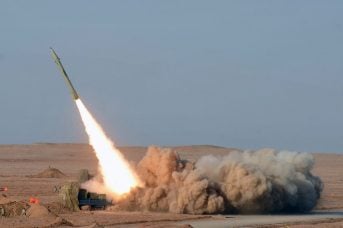
📰Trump has issued warnings to Iran amid escalating military tensions between the two nations. The heightened geopolitical conflict poses significant risks to global oil markets and could reshape international diplomatic alignments, with potential ripple effects across energy prices and broader economic stability.
GeneralBearishCrypto Briefing · May 107/10
📰Trump's hardline stance toward Iran reduces the likelihood of renewed nuclear diplomacy, potentially prolonging geopolitical tensions in a volatile region. This development carries implications for global energy markets, risk sentiment, and broader macroeconomic conditions that indirectly influence cryptocurrency valuations and investor appetite for risk assets.
GeneralBearishCrypto Briefing · May 107/10
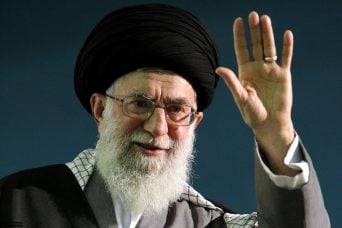
📰Iran's new leader's absence from diplomatic talks signals potential instability in the country's leadership structure, raising concerns about regional geopolitical shifts that could influence global markets, including cryptocurrency and energy sectors sensitive to Middle Eastern tensions.
AIBullishFortune Crypto · May 107/10
🧠The global economy is entering an unprecedented capital expenditure cycle with nearly $5 trillion projected by the decade's end, driven by dual momentum in AI infrastructure and energy transition investments. While these cycles overlap significantly, AI spending is advancing independently at an accelerating pace, indicating broad-based economic transformation beyond a single technology trend.
GeneralBearishCrypto Briefing · May 10🔥 8/10
📰Trump announced that the US is monitoring Iran's enriched uranium stockpiles and plans to extract them, escalating tensions between the two nations. This development threatens nuclear deal prospects and raises geopolitical instability risks that could indirectly impact global markets and cryptocurrency volatility.
GeneralNeutralCrypto Briefing · May 10🔥 8/10
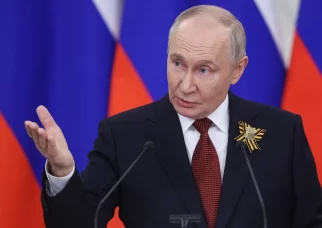
📰Russian President Putin has signaled a potential end to the Ukraine conflict while attributing responsibility for its prolongation to Western nations. Such a development could stabilize the region, reduce global tensions, and reshape geopolitical alignments with implications for international diplomacy and economic markets.
CryptoNeutralDecrypt – AI · May 107/10
⛓️Cryptocurrency firms are actively developing quantum-resistant wallet technology to protect digital assets from future quantum computing threats. While these upgrades are underway, significant security gaps remain across Bitcoin and Ethereum networks, creating a race against time before quantum computers become powerful enough to compromise current cryptographic standards.
$BTC$ETH