Real-time AI-curated news from 99,456+ articles across 50+ sources. Sentiment analysis, importance scoring, and key takeaways — updated every 15 minutes.
CryptoBullishBlockonomi · May 107/10
⛓️Binance's emerging market user base has grown to 77% of its total user share in 2026, up from 49% in 2020, with stablecoin adoption among emerging market users rising from 4% to 28% over the same period. This shift reflects cryptocurrency's expanding role as a financial service alternative in regions where traditional banking infrastructure remains limited, with 1.4 billion adults globally still unbanked.
GeneralNeutralCrypto Briefing · May 107/10
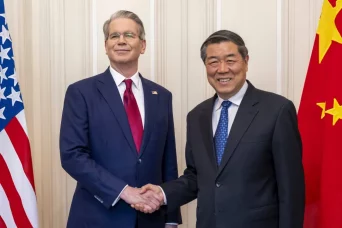
📰China's Vice Premier He Lifeng is set to meet with a US delegation in South Korea for trade negotiations. Success could ease US-China economic tensions and stabilize markets, while failure risks reigniting tariff wars with significant global consequences.
CryptoBullishCrypto Briefing · May 107/10
⛓️New Jersey's state pension fund has allocated $16.2M to Strategy shares as a method to gain Bitcoin exposure while maintaining regulatory compliance. This move reflects institutional adoption of cryptocurrency through structured investment vehicles rather than direct asset ownership.
$BTC
CryptoNeutralU.Today · May 106/10
⛓️Dogecoin trading volumes have declined 50% during weekend trading, with the cryptocurrency testing a critical support level at $0.10. The volume contraction reflects reduced market activity typical of quieter weekend periods, creating potential volatility as the asset approaches a key technical resistance point.
$DOGE
CryptoBearishCrypto Briefing · May 107/10
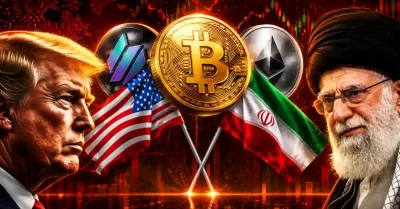
⛓️Tehran has submitted a response to a US peace proposal amid escalating geopolitical tensions, prompting cryptocurrency markets to prepare for increased volatility. The diplomatic developments could ripple through energy markets and subsequently impact crypto asset valuations due to macroeconomic uncertainty and potential sanctions dynamics.
GeneralBearishCrypto Briefing · May 107/10
📰Israeli Prime Minister Netanyahu has declared that the conflict with Iran remains ongoing despite a US-brokered ceasefire agreement, signaling potential continuation of regional tensions. This stance could undermine diplomatic progress and perpetuate geopolitical instability that affects cryptocurrency and financial market sentiment.
DeFiBullishBlockonomi · May 107/10
💎Hyperliquid executed a major token burn of 45 million HYPE tokens worth over $2 billion, funded entirely by platform fees, while simultaneously recording $1.5 billion in net inflows. The exchange commits 100% of its revenues to HYPE buybacks and burns, representing a deflationary mechanism that has eliminated approximately 14.5% of the initial trader airdrop supply.
GeneralBearishCrypto Briefing · May 107/10
📰Iran has issued warnings to France and Britain against deploying warships near the Strait of Hormuz, escalating regional tensions in a critical global oil transit chokepoint. This geopolitical friction could disrupt energy markets and create economic volatility with ripple effects across financial assets including cryptocurrencies.
AINeutralCrypto Briefing · May 107/10
🧠Elon Musk and OpenAI executives are facing intense questioning during a high-stakes trial that examines ethical and strategic tensions in AI development. The proceedings have implications for future governance standards and inter-company collaboration practices within the technology sector.
🏢 OpenAI
GeneralBearishCrypto Briefing · May 107/10
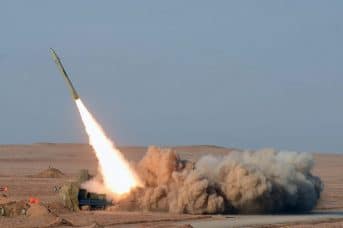
📰Iran has deployed drones in the Strait of Hormuz amid escalating US-Israeli military operations, raising geopolitical tensions and threatening one of the world's most critical shipping routes. This development creates supply chain risks that could indirectly affect cryptocurrency markets through broader economic instability and energy price volatility.
CryptoBearishU.Today · May 107/10
⛓️Bitcoin core developer Jameson Lopp has flagged a potential Sybil attack against the Bitcoin network following the sudden appearance of 200,000 fraudulent P2P addresses. This surge of 'ghost' nodes could compromise network security by enabling attackers to isolate honest nodes and manipulate transaction propagation.
$BTC
CryptoBullishBlockonomi · May 107/10
⛓️Sui Network celebrates its third anniversary marked by significant institutional adoption, including CME Group listing SUI futures contracts and three US-based staking ETFs launching in early 2026. These developments position Sui among an elite group of Layer 1 blockchains with regulated derivatives access alongside Bitcoin, Ethereum, and Solana, while DeFi activity on the network reaches $2.6 billion in total value locked.
$BTC$ETH$SOL
AIBullishFortune Crypto · May 107/10
🧠Alphabet's market capitalization reached $4.8 trillion, positioning it to potentially become the world's largest company. Nvidia surged to $5.2 trillion following a three-day rally, demonstrating the intense competition among mega-cap technology companies driven by AI-related gains.
🏢 Nvidia
GeneralNeutralFortune Crypto · May 107/10
📰Qatar has successfully shipped its first LNG cargo through the Strait of Hormuz since regional conflict escalated, routing the vessel through an Iran-approved northern corridor along the Iranian coast. The shipment demonstrates continued energy trade resilience despite geopolitical tensions and highlights the strategic importance of maintaining Persian Gulf shipping lanes.
GeneralBullishCrypto Briefing · May 107/10
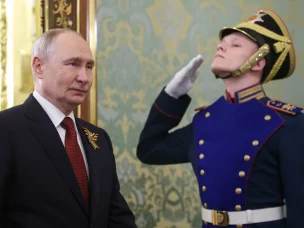
📰Putin signals the Ukraine war may be approaching conclusion through Trump-brokered ceasefire negotiations. A potential peace agreement could stabilize global energy markets, reduce inflation pressures, and diminish geopolitical risk premiums that have influenced cryptocurrency valuations.
CryptoNeutralcrypto.news · May 107/10
⛓️Bitcoin traders are monitoring geopolitical tensions between Iran and the US alongside upcoming US inflation data (CPI), which could drive significant market volatility. The convergence of these macro events shapes near-term price dynamics as investors assess both geopolitical risk premiums and monetary policy implications.
$BTC
AI × CryptoBullishCoinDesk · May 107/10
🤖PayPal and Google Cloud representatives stated at Consensus Miami that agentic commerce requires open payment protocols, machine-readable merchant catalogs, and multi-party crypto custody solutions to achieve scalability. Their comments highlight growing institutional recognition that cryptocurrency infrastructure is essential for autonomous agent-based commerce systems.
AIBullishCrypto Briefing · May 107/10
🧠Alphabet is positioned to potentially surpass Nvidia as the world's most valuable company through strategic AI investments and proprietary chip development. This shift reflects broader competitive dynamics in the AI sector, where tech giants are moving beyond relying on third-party processors to building custom silicon.
🏢 Nvidia
AI × CryptoBullishBlockonomi · May 107/10
🤖Bittensor Subnet 68 has screened over 11 million molecules across nine disease targets using decentralized computing, demonstrating a practical application of blockchain technology in pharmaceutical research. The subnet operates three live competitions rewarding computational contributions through its Yuma Consensus mechanism, enabling companies like Metanova Labs to conduct drug discovery at reduced operational costs.
$TAO
DeFiBullishCrypto Briefing · May 107/10
💎Michael Saylor discusses Bitcoin's potential as digital capital with yield-generating capabilities, highlighting how digital credit instruments offer superior risk-adjusted returns through high Sharpe ratios while reducing volatility in crypto portfolios. The commentary positions decentralized finance as a transformative force reshaping capital markets through programmable, efficient credit mechanisms.
$BTC
DeFiBullishcrypto.news · May 107/10
💎The XRP Ledger (XRPL) is advancing its DeFi infrastructure by introducing native lending protocols and programmable escrow tools to establish decentralized credit systems. These upgrades position XRPL as a competitor in the DeFi lending space, expanding beyond its traditional payment-focused use case.
$XRP
GeneralBearishCrypto Briefing · May 107/10
📰Iran has rejected a US ceasefire proposal, refusing to engage in temporary truces and escalating geopolitical tensions in the Middle East. This rejection heightens risks of military conflict and threatens global energy market stability, with potential ripple effects on cryptocurrency and commodity markets sensitive to geopolitical disruption.
CryptoBullishU.Today · May 107/10
⛓️XRP experiences significant ETF inflows driven by institutional adoption via JPMorgan and Mastercard's tokenization initiatives, while Shiba Inu decouples from Dogecoin's price movements. Bitcoin technical indicators suggest a potential rally toward $94,500 resistance, with 'Sell in May' seasonal patterns influencing market dynamics.
$BTC$XRP$DOGE
GeneralNeutralCrypto Briefing · May 106/10
📰The S&P 500 has reached record highs driven primarily by technology stocks, particularly those in the AI sector. However, this concentration in tech equities exposes investors to significant risk if AI-related momentum slows or market conditions shift.
GeneralBullishCrypto Briefing · May 107/10
📰Kevin Warsh is positioned to become the next Federal Reserve Chair, potentially replacing Jerome Powell by May 15. His appointment could shift U.S. monetary policy toward lower interest rates, with significant implications for economic growth, inflation management, and cryptocurrency market dynamics.