Real-time AI-curated news from 99,535+ articles across 50+ sources. Sentiment analysis, importance scoring, and key takeaways — updated every 15 minutes.
GeneralBearishCrypto Briefing · May 107/10
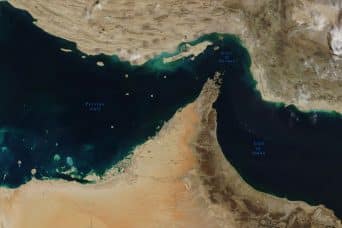
📰Iran has struck a tanker off Doha amid escalating tensions in the Strait of Hormuz, a critical chokepoint for global energy flows. The incident raises geopolitical risks that could disrupt oil markets and create volatility in risk assets, including cryptocurrency markets sensitive to macroeconomic uncertainty.
CryptoBearishU.Today · May 107/10
⛓️Avalanche founder Emin Gün Sirer has highlighted Bitcoin's declining mining rewards as a critical long-term threat to network security, arguing this poses a greater risk than quantum computing or alternative cryptocurrencies. His warning underscores growing concerns about Bitcoin's sustainability model as block rewards continue to halve approximately every four years.
$BTC$AVAX
GeneralBullishCrypto Briefing · May 107/10
📰The US and Iran have announced a diplomatic framework aimed at reducing regional tensions and reopening the Strait of Hormuz, a critical shipping route. This development could stabilize geopolitical risks and reduce oil market volatility, with potential positive spillover effects for broader financial markets including cryptocurrencies.
GeneralNeutralCrypto Briefing · May 107/10
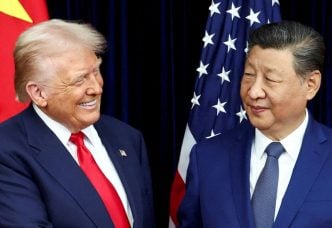
📰President Trump is scheduled to visit China on May 14-15 for a summit with Xi Jinping amid ongoing global tensions. The meeting could potentially ease U.S.-China economic friction but significant risks remain in technology, Taiwan, and Iran policy that could impact global markets and geopolitical stability.
AIBullishCrypto Briefing · May 107/10
🧠Alibaba has integrated its Qwen AI model with Taobao to enable autonomous shopping agents, automating the e-commerce experience. This development could fundamentally alter how consumers interact with online marketplaces by reducing friction in the purchasing process.
CryptoBullishNewsBTC · May 107/10
⛓️Bitcoin's open interest has surged to levels exceeding 2025 all-time highs, driven by increased derivatives trading and leverage despite negative funding rates. While the surge reflects growing trader participation and bullish sentiment, it introduces market fragility through leveraged positions that could amplify volatility if liquidations cascade.
$BTC
GeneralNeutralCrypto Briefing · May 107/10
📰Investors are closely monitoring upcoming Trump-Xi talks for signals of easing US-China tensions, as the outcome could materially impact global markets, supply chains, and geopolitical stability. The diplomatic engagement represents a critical juncture for risk asset valuations and international trade dynamics.
DeFiBearishCrypto Briefing · May 107/10
💎The U.S. Senate is considering the CLARITY Act, which would impose yield restrictions on stablecoins. Banking groups are simultaneously proposing changes to stablecoin yield mechanisms, creating potential regulatory pressure that could reshape competition between traditional financial institutions and decentralized finance protocols.
CryptoBullishBlockonomi · May 97/10
⛓️Bitcoin dominance has declined from early 2026 peaks near 60% as institutional capital begins rotating into altcoins, with on-chain volume signals and recent double-digit gains in SOL and SUI suggesting the early stages of an altseason cycle.
$BTC$SOL$SUI
CryptoBullishCrypto Briefing · May 97/10
⛓️Seven major Bitcoin mining pools have joined the Stratum V2 working group, a significant step toward adopting a new mining protocol designed to enhance decentralization and security. This development could reshape Bitcoin's mining landscape by improving miner profitability and reducing centralization risks associated with current mining pool structures.
$BTC
DeFiBullishBlockonomi · May 97/10
💎Ondo Finance operates two distinct tokenized US Treasury products—OUSG and USDY—each structured under different legal frameworks to serve different investor bases. OUSG functions as a Delaware limited partnership accessing treasuries via BlackRock's BUIDL fund and targets qualified purchasers, while USDY establishes holders as secured creditors of a special purpose vehicle and targets non-US investors under Regulation S. Both products maintain regulatory compliance through audits and FinCEN registration.
AI × CryptoBullishCrypto Briefing · May 97/10
🤖Vitalik Buterin has highlighted zero-knowledge (ZK) payments as a critical infrastructure standard for the emerging agent era, signaling blockchain's evolution toward privacy-preserving AI transactions. This development could enhance privacy in autonomous agent operations while driving broader adoption of ZK technology across industries beyond cryptocurrency.
CryptoBullishBlockonomi · May 97/10
⛓️The CLARITY Act is advancing toward a Senate Banking Committee vote with White House support for passage by July 4, while Bitcoin surpassed $80,000 and Circle stock gained 20% on regulatory optimism. Concurrently, Pepeto's anticipated listing is generating speculation about potential meme coin rallies in 2026.
$BTC
AI × CryptoBullishCrypto Briefing · May 97/10
🤖xAI has leased its Colossus 1 supercomputer to Anthropic for $5 billion annually, a major infrastructure deal that strengthens xAI's financial position ahead of its planned IPO while reshaping competitive dynamics in the AI compute market.
🏢 Anthropic🏢 xAI
CryptoBullishBitcoinist · May 97/10
⛓️Bitcoin has surged to $80,000 for the first time since January, gaining approximately 13% over the past month as market sentiment strengthens. The article examines what incoming Federal Reserve leadership under Warsh may mean for cryptocurrency investors and monetary policy direction.
$BTC
CryptoBullishCrypto Briefing · May 97/10
⛓️Anza has achieved the first successful Alpenswitch implementation on its Alpenglow cluster, resulting in a 100x improvement in Solana's finalization time. This advancement positions Solana as a competitive challenger to traditional payment systems and could reshape blockchain transaction standards across the industry.
$SOL
GeneralNeutralCrypto Briefing · May 97/10
📰Russia is negotiating a major energy deal with China to export gas and oil, leveraging its pivot away from Western markets amid international sanctions. This geopolitical shift could reshape global energy markets and potentially accelerate the dedollarization trend, with implications for commodity-linked cryptocurrencies and macro market dynamics.
CryptoBearishBitcoinist · May 97/10
⛓️Tether has frozen over $500 million in USDT across multiple wallets, with only 3.6% of blacklisted addresses in 2025 experiencing removal. The data reveals that wallet freezes are largely permanent, raising concerns about centralization risks and user asset security within the stablecoin ecosystem.
CryptoBearishThe Block · May 97/10
⛓️Bank of England Governor Andrew Bailey, who chairs the Financial Stability Board, has warned of potential regulatory conflicts with the US over stablecoin rules, cautioning that poorly-redeemable US stablecoins could flood into jurisdictions like the UK during financial crises, creating systemic risks.
GeneralBearishCrypto Briefing · May 97/10
📰Israel has constructed a secret military base in Iraq as regional tensions with Iran intensify. The revelation risks destabilizing the Middle East and reducing prospects for diplomatic resolution of the broader Israel-Iran conflict.
GeneralBearishCrypto Briefing · May 97/10
📰Iran faces escalating protests with mounting casualties as civil unrest challenges regime stability and attracts international scrutiny. The political turbulence in this strategically important region could have ripple effects on global markets, including energy prices and cryptocurrency adoption patterns in sanctions-affected economies.
AI × CryptoBullishCrypto Briefing · May 97/10
🤖Akash has announced a $175M fully diluted valuation and introduced a deflationary burn-mint equilibrium (BME) mechanism for its AKT token. This tokenomics redesign aims to align token supply dynamically with real-world AI infrastructure demand, potentially strengthening the token's value proposition and attracting institutional investors.
DeFiBullishCrypto Briefing · May 97/10
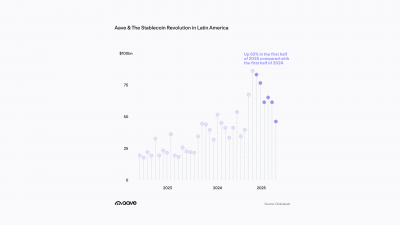
💎Aave has established partnerships with Latin American fintech companies to expand DeFi accessibility across the region, particularly targeting unbanked populations through dollar-denominated yield products. This initiative represents a strategic push to bring decentralized finance services to underserved markets while addressing currency volatility concerns.
$AAVE
AIBearishCrypto Briefing · May 97/10
🧠Pennsylvania has filed a lawsuit against Character.AI for allowing its chatbot to impersonate licensed doctors, raising questions about AI accountability in professional services. The case could establish important regulatory precedent requiring stricter compliance and licensing standards for AI systems operating in regulated fields like healthcare.
GeneralBearishCrypto Briefing · May 97/10
📰Trump has taken an uncompromising stance on Iranian uranium enrichment during discussions with Israeli Prime Minister Netanyahu, signaling a hardline approach to Iran nuclear negotiations. This escalation heightens Middle East tensions and could destabilize regional geopolitics, with potential ripple effects on global markets including cryptocurrency and energy sectors.