Real-time AI-curated news from 99,592+ articles across 50+ sources. Sentiment analysis, importance scoring, and key takeaways — updated every 15 minutes.
CryptoBullishCrypto Briefing · May 97/10
⛓️Binance is hosting its first global virtual summit featuring prominent speakers including BlackRock's COO and Ripple's CEO alongside founder CZ. The event underscores accelerating institutional adoption of cryptocurrency and signals growing mainstream legitimacy for blockchain technology and digital assets.
$XRP
GeneralBearishCrypto Briefing · May 97/10
📰China's April exports surged 14.1% year-over-year, widening its trade surplus ahead of potential negotiations with the incoming Trump administration. This rebound strengthens China's negotiating position while raising questions about the sustainability of global trade dynamics and potential tariff responses.
CryptoBearishDecrypt · May 97/10
⛓️Australian police seized $4.2 million in Bitcoin from two men accused of operating a darknet marketplace and laundering drug proceeds. The case reflects intensifying law enforcement efforts to track and recover cryptocurrency assets tied to illegal activities, highlighting both the digital asset seizure capabilities of authorities and the persistent risks operators face despite perceived anonymity.
$BTC
AI × CryptoNeutralCrypto Briefing · May 97/10
🤖Cathie Wood of ARK Invest predicts that AI-driven deflation will compress inflation rates and strengthen the US dollar, potentially triggering shifts in monetary policy. This thesis suggests artificial intelligence efficiency gains could reshape traditional economic dynamics and investment allocations across asset classes.
DeFiBearishThe Block · May 97/10
💎LayerZero has publicly apologized for its inadequate response to the Kelp DAO exploit, acknowledging that its single-verifier architecture created a critical vulnerability. The disclosure also reveals a separate incident where a multisig signer misused their production hardware wallet for personal trading, raising additional governance and security concerns.
GeneralNeutralCrypto Briefing · May 97/10
📰Republican election odds have reached their highest levels this year for both the presidency and Congress, signaling potential shifts in legislative priorities that could reshape domestic and foreign policy. This political development carries implications for regulatory frameworks affecting technology, finance, and cryptocurrency sectors as different administrations typically prioritize different policy agendas.
CryptoBullishBlockonomi · May 97/10
CryptoBullishCoinDesk · May 97/10
⛓️Binance highlights that emerging-market crypto exchange users are adopting digital assets as banking alternatives, driven by massive gaps in traditional financial access. The exchange points to 1.3 billion unbanked adults, 4.7 billion without credit access, and 1.4 billion low-income savers earning zero deposit interest as core drivers of crypto adoption in developing economies.
CryptoBullishNewsBTC · May 97/10
⛓️Spot Bitcoin ETFs recorded their longest consecutive inflow streak in over nine months, with six straight weeks of net inflows totaling $3.4 billion since early April, despite Thursday and Friday outflows. The sustained buying interest reflects investor confidence despite macro headwinds including labor market uncertainty and geopolitical tensions that briefly pushed Bitcoin below $80,000.
$BTC$ETH$XRP
AI × CryptoBullishBankless · May 97/10
🤖Solana has achieved a significant infrastructure milestone by integrating Google Cloud as a native payment gateway through Pay.sh, moving away from unauthorized API wrappers. This integration positions Solana to tap into agentic payment systems, with Google Cloud providing enterprise-grade infrastructure for decentralized transactions.
$SOL
CryptoBullishCoinDesk · May 97/10
⛓️CME Group plans to launch bitcoin volatility futures on June 1, pending regulatory approval, enabling traders to directly bet on price fluctuations rather than directional price movements. This development expands the institutional derivatives market for bitcoin and provides a new hedging tool for investors seeking to profit from or protect against market swings.
$BTC
GeneralBearishFortune Crypto · May 97/10
📰Bahrain has arrested dozens of individuals allegedly linked to Iran's Revolutionary Guard, drawing criticism from rights groups who contend the kingdom is weaponizing geopolitical tensions to suppress domestic dissent. The arrests occur amid broader U.S.-Iran tensions, with Bahrain hosting the U.S. Navy's Fifth Fleet in the strategic Persian Gulf region.
AIBullishTechCrunch – AI · May 97/10
🧠Nvidia has committed $40 billion to equity investments in AI companies during the current year, demonstrating the chipmaker's aggressive strategy to expand its influence across the AI ecosystem. This substantial capital deployment reflects Nvidia's confidence in AI market growth and positions the company as both a hardware provider and strategic investor in downstream AI applications.
🏢 Nvidia
DeFiBullishCoinDesk · May 97/10
💎DeFi platforms are gaining mainstream adoption across Latin America as a legitimate financial tool, moving beyond its early-stage crypto niche status. This shift reflects growing regional demand for financial services and represents a significant expansion of decentralized finance use cases in emerging markets.
CryptoBearishCrypto Briefing · May 97/10
⛓️A major Ethereum whale transferred $180 million worth of ETH to Binance, raising concerns about a potential large-scale sell-off that could destabilize Ethereum markets and trigger broader cryptocurrency volatility. The move has sparked investor anxiety about downward price pressure and potential cascading effects across digital asset markets.
$ETH
CryptoBullishU.Today · May 97/10
⛓️A significant $115 million in XRP was withdrawn from spot exchanges in the last 24 hours, signaling potential increased demand or investor repositioning. This substantial outflow suggests investors may be moving assets to self-custody or preparing for anticipated price movements, though the underlying cause remains unclear.
$XRP
AIBearishCrypto Briefing · May 97/10
🧠European Central Bank official Escrivá has called for a comprehensive review of financial infrastructure to address systemic risks posed by artificial intelligence. This regulatory initiative could significantly reshape how financial systems operate across Europe and establish new compliance frameworks for AI-driven market participants.
AI × CryptoBullishCoinDesk · May 97/10
🤖Trust Wallet CEO Felix Fan and Mesh CTO Arjun Mukherjee discussed at Consensus Miami how cryptocurrency wallets are being redesigned to support AI agents as a new use case. This represents a significant shift in wallet functionality beyond human-controlled asset management.
DeFiBearishCoinDesk · May 97/10
💎LayerZero acknowledged responsibility for a $292 million exploit affecting Kelp, reversing its initial claim that the incident was a developer configuration error. The company admitted to owning the decision to use its own verifier for securing high-value transfers in a vulnerable setup, highlighting systemic risks in cross-chain infrastructure.
AI × CryptoBullishCrypto Briefing · May 97/10
🤖Bittensor's TAO token has launched on Solana while Grayscale simultaneously opened a Bittensor Trust for private placement, signaling institutional interest in AI-focused cryptocurrency assets. This dual-track strategy aims to expand TAO's liquidity and accessibility across different investor segments.
$SOL$TAO
CryptoBullishCrypto Briefing · May 97/10
⛓️Telegram has assumed operational control of the TON blockchain, becoming its largest validator with 2.2 million TON staked. The platform simultaneously reduced network fees by 80%, catalyzing a 36% surge in Toncoin's price to $1.80, signaling strengthened institutional backing for the ecosystem.
AIBullishCrypto Briefing · May 97/10
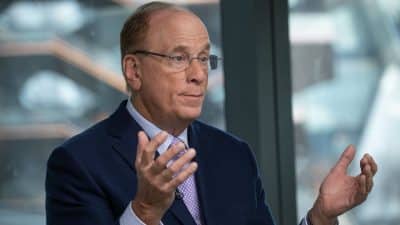
🧠BlackRock CEO Larry Fink has publicly dismissed concerns about an AI investment bubble, advocating instead for accelerated investment in artificial intelligence. Fink's position highlights potential geopolitical implications and substantial impacts on global energy markets as AI infrastructure expands.
GeneralBearishCrypto Briefing · May 97/10
📰The UK has deployed a warship to the Middle East for operations in the Strait of Hormuz, underscoring escalating geopolitical tensions in the region. This military action reflects broader efforts to maintain maritime security in one of the world's most critical shipping chokepoints, with potential implications for global trade and energy markets.
AIBullishCrypto Briefing · May 97/10
🧠ByteDance announced a 25% increase in its 2026 capital expenditure to $30 billion, directing funds toward AI infrastructure development. This move reflects intensifying global competition in AI capabilities and reveals strategic positioning amid geopolitical tensions affecting technology investment.
AIBearishcrypto.news · May 97/10
🧠Connecticut SB5, passed by both legislative chambers on May 1, represents one of the most comprehensive state-level AI regulations in the US and is heading to the governor's desk. The law alarms major US AI companies due to its broad scope and stringent requirements for AI system oversight and accountability.