Real-time AI-curated news from 91,548+ articles across 50+ sources. Sentiment analysis, importance scoring, and key takeaways — updated every 15 minutes.
AIBearishCrypto Briefing · Jun 257/10
🧠Apple CEO Tim Cook has characterized the recent surge in memory chip prices as unprecedented, comparing it to a 'hundred-year flood' event driven by surging AI demand. This supply constraint threatens to trigger widespread price increases across consumer tech products, potentially impacting market affordability and dynamics.
AIBearishCrypto Briefing · Jun 257/10
🧠The Trump administration has requested that OpenAI delay the release of GPT-5.6 due to unspecified security concerns, signaling potential government intervention in AI development timelines. This move could establish a precedent for increased regulatory oversight of AI releases, potentially affecting innovation cycles and market dynamics across the technology sector.
🏢 OpenAI🧠 GPT-5
GeneralNeutralCrypto Briefing · Jun 257/10
📰The FCC has implemented new submarine cable regulations that tighten security requirements while fast-tracking approvals for US-based firms. These rules aim to reshape global internet infrastructure by prioritizing American companies, though they may create supply chain bottlenecks and geopolitical tensions.
AIBullishTechCrunch – AI · Jun 257/10
🧠Patronus AI, an agent testing startup founded by former Meta AI researchers, has secured $50M in funding to develop stress-testing environments for AI agents. The funding round reflects strong investor confidence and addresses the growing need for robust testing infrastructure as AI agent deployment accelerates.
🏢 Meta
GeneralBullishCrypto Briefing · Jun 257/10
📰The US government allocated $250 million to Robert Friedland's semiconductor startup I-Pulse through the CHIPS Act, aiming to bolster domestic chip manufacturing capacity. This investment signals government commitment to reducing semiconductor supply chain vulnerabilities and addressing critical workforce gaps in advanced manufacturing.
CryptoBullishThe Block · Jun 257/10
⛓️Invesco, a trillion-dollar asset manager, is launching a tokenized stablecoin reserve fund that invests in U.S. Treasuries, repo agreements, and cash equivalents to maintain a $1 net asset value. This move signals institutional adoption of tokenized assets and reflects growing mainstream interest in blockchain-based financial infrastructure.
AIBullishCrypto Briefing · Jun 257/10
🧠Domyn announces plans to launch an open-source frontier AI model within the next year, positioning itself as a contributor to European technological sovereignty. The initiative aims to attract investment and talent while potentially reshaping the competitive AI landscape dominated by closed-source models.
CryptoBearishBitcoinist · Jun 257/10
⛓️Curaçao's financial regulators have introduced the first comprehensive rulebook for crypto casinos, mandating wallet screening and transaction tracing while requiring all cryptocurrency mixers to be phased out by 2027. This marks a significant regulatory shift toward compliance and anti-money laundering standards in an industry historically known for minimal oversight.
GeneralBullishNewsBTC · Jun 257/10
📰Prediction market platform Kalshi is raising new funding at a $40 billion valuation, reflecting surging investor appetite for regulated prediction markets. The funding round underscores growing mainstream acceptance and regulatory clarity around event-based betting platforms.
CryptoBullishCrypto Briefing · Jun 257/10
⛓️Kraken and Avalanche are partnering with FIFA for the 2026 World Cup, marking a significant mainstream integration of cryptocurrency into global sports. This collaboration could accelerate crypto adoption among billions of viewers and signal growing institutional acceptance of digital assets in major sporting events.
$AVAX
CryptoBullishcrypto.news · Jun 257/10
⛓️Cryptocurrency payment gateways are advancing to enable mainstream e-commerce adoption by offering secure, compliant, and user-friendly systems for merchants to accept digital assets. This technological evolution addresses a critical barrier to crypto's mainstream integration into everyday commerce, signaling growing infrastructure maturity in the digital asset ecosystem.
AIBearishCrypto Briefing · Jun 257/10
🧠Chinese open-source AI models are narrowing the technological gap with US counterparts, signaling a potential shift in global AI market dominance. This development carries substantial implications for geopolitical competition, investor positioning in AI infrastructure, and the future landscape of AI development priorities.
AIBullishCrypto Briefing · Jun 257/10
🧠OpenAI's Codex model is generating 99.8% of its internal output tokens while experiencing a 189x surge in non-developer adoption, signaling a major shift toward broader enterprise and consumer use cases beyond programming. This expansion demonstrates AI's capacity to transform workflows across diverse industries, reshaping how organizations leverage code generation technology beyond its original developer-focused purpose.
🏢 OpenAI
CryptoBearishCrypto Briefing · Jun 257/10
⛓️Federal Reserve Bank of Chicago President Austan Goolsbee expressed cautious optimism about recent inflation data, suggesting progress in the Fed's inflation-fighting efforts. However, crypto markets may not share this optimism due to the broader implications of prolonged economic uncertainty and tighter liquidity conditions that accompany persistent inflation concerns.
CryptoBullishDecrypt – AI · Jun 257/10
⛓️SBI Holdings, a major Japanese financial conglomerate, is acquiring cryptocurrency exchange Bitbank for approximately $289 million in a deal pending regulatory approval. The acquisition positions SBI to establish dominance in Japan's crypto exchange market while signaling institutional confidence in digital asset infrastructure.
GeneralNeutralCrypto Briefing · Jun 257/10
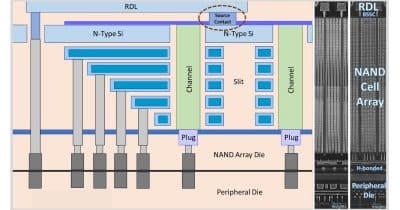
📰Yangtze Memory Technologies Corporation (YMTC) has achieved 13% market share in NAND flash memory, equaling competitors SanDisk and Micron. This milestone signals China's growing technological capability and influence over critical semiconductor supply chains, with implications for global tech competition and supply chain diversification.
GeneralBearishFortune Crypto · Jun 257/10
📰A Federal Reserve survey of 530 U.S. executives reveals that inflation concerns have surged to 25% of firms—nearly triple the previous quarter's 9.5%—signaling growing anxiety about price pressures despite most companies maintaining price discipline with consumers. This shift reflects deteriorating confidence in the inflation outlook and suggests corporations may have limited capacity to absorb future cost shocks.
DeFiBullishBankless · Jun 257/10
💎Spark Protocol has unveiled DualPool, a new Uniswap v4 hook developed collaboratively with Uniswap that enables liquidity providers to earn yield on idle capital within stablecoin foreign exchange trading pairs. This innovation addresses a key inefficiency in AMM design where LP funds sit unutilized between trades.
$UNI
CryptoBearishProtos · Jun 257/10
⛓️STRC stock crashed to $73.62 on Nasdaq, trading 26.4% below its $100 target price, as the underlying strategy's unrealized Bitcoin losses surpassed $13 billion. The significant discount between the stock price and its intended value indicates severe investor confidence erosion in the investment strategy's Bitcoin holdings.
$BTC
CryptoBullishCrypto Briefing · Jun 257/10
⛓️Solana's onchain trading card game category has surpassed $1 billion in trading volume, demonstrating the growing convergence of blockchain technology with collectibles markets. This milestone reflects strong demand for digital asset games and signals substantial market potential within the gaming and NFT sectors.
$SOL
CryptoBullishCrypto Briefing · Jun 257/10
⛓️Jorge Jraissati testified before US lawmakers on Bitcoin's significance in Venezuela's economy, positioning cryptocurrency as a critical tool for financial autonomy in authoritarian regimes. His testimony has potential to influence US cryptocurrency policy by reframing digital assets through a human rights lens rather than purely regulatory or speculative frameworks.
$BTC
GeneralBearishCrypto Briefing · Jun 257/10
📰Elon Musk has highlighted an unprecedented surge in memory chip prices, characterizing it as the largest price jump he has witnessed. This spike underscores a widening gap between profitable chipmakers and struggling technology consumers, with potential ramifications for future capital allocation and product development across the tech industry.
DeFiBullishcrypto.news · Jun 257/10
💎Kraken has partnered with Maple Finance to launch an institutional warehouse lending facility using a bankruptcy-remote special purpose vehicle (SPV), expanding its institutional crypto lending offerings. This move allows institutional borrowers to access larger-scale financing while providing Kraken with a new revenue stream through structured lending operations.
CryptoBearishBitcoinist · Jun 257/10
⛓️CoinGecko research reveals that the vast majority of tokens launched on Pump.fun, Solana's popular memecoin platform, fail and become worthless within 24 hours of launch. This finding underscores the extreme risk and speculative nature of the memecoin ecosystem, where retail investors face overwhelming odds of losing their capital.
$SOL
CryptoBearishCrypto Briefing · Jun 257/10
⛓️Over $1 billion in cryptocurrency positions were liquidated within 24 hours, affecting 138,000 traders across leveraged markets. The event underscores the systemic risks of high leverage in volatile crypto markets and may have downstream effects on market confidence and future speculative trading patterns.