Models, papers, tools. 59,429 articles with AI-powered sentiment analysis and key takeaways.
GeneralBearishCrypto Briefing · May 3🔥 8/10
📰A drone strike near Ukraine's Zaporizhzhia nuclear plant has escalated Russia-Ukraine tensions and reduced the likelihood of ceasefire negotiations. The incident underscores the fragility of conflict resolution efforts and heightens geopolitical uncertainty that affects global markets, including cryptocurrency volatility.
GeneralBearishCrypto Briefing · May 3🔥 8/10
📰Tehran is on heightened alert amid escalating US-Iran tensions, with evacuation preparations underway. The article warns that regional instability could trigger broader geopolitical conflicts, which historically correlate with increased volatility in global financial markets, including cryptocurrency assets that serve as hedges during periods of uncertainty.
GeneralBearishCrypto Briefing · May 3🔥 8/10
📰Hezbollah's use of civilian populations as human shields is complicating Israeli military withdrawal plans and diplomatic negotiations in the region. The tactic prolongs conflict duration and creates obstacles for ceasefire agreements, with potential implications for broader Middle Eastern stability.
GeneralBearishCrypto Briefing · May 3🔥 8/10
📰Russia and Ukraine conflict intensifies with renewed military strikes, significantly reducing prospects for near-term ceasefire negotiations. The escalation threatens prolonged regional instability with cascading effects on global geopolitical relations and economic conditions, including potential impacts on energy markets, sanctions regimes, and macroeconomic volatility that indirectly influence cryptocurrency and digital asset markets.
GeneralBearishCrypto Briefing · May 3🔥 8/10
📰Escalating US-Iran tensions are creating economic uncertainty that could delay Federal Reserve rate cuts scheduled for 2026. The conflict's inflationary pressures and tightening credit conditions complicate the Fed's monetary policy trajectory, potentially keeping interest rates elevated longer than previously anticipated.
GeneralBearishCrypto Briefing · May 3🔥 8/10
📰The U.S. military has deployed A-10 aircraft in response to escalating Iran-Israel tensions, signaling increased American military involvement in the region. This deployment could intensify geopolitical instability and alter Iran's defensive posture, with potential ripple effects on global markets and risk assets.
GeneralBearishCrypto Briefing · May 3🔥 8/10
📰Iran has issued a one-month ultimatum demanding an end to the US-Israeli conflict and blockade, escalating geopolitical tensions in the Middle East. This development threatens to disrupt global oil markets and increase military readiness, potentially creating volatility across commodities and risk assets including cryptocurrencies.
GeneralBearishCrypto Briefing · May 3🔥 8/10
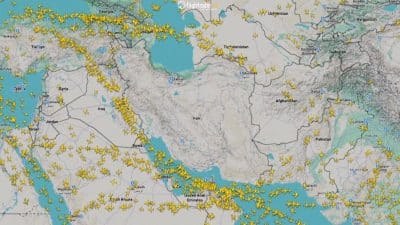
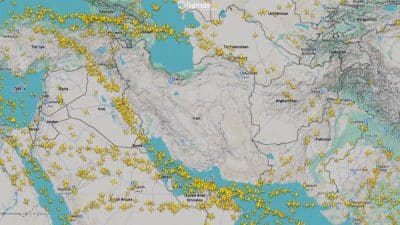
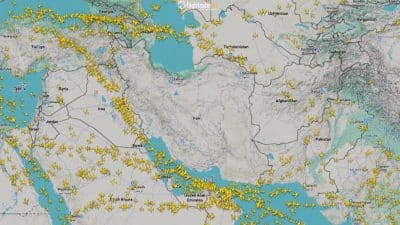
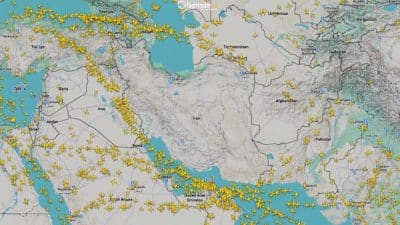
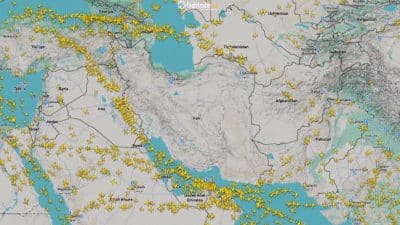
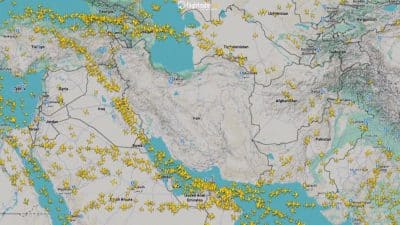
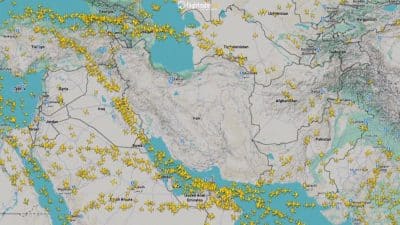
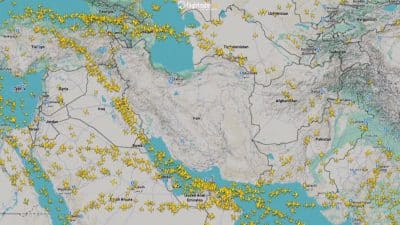
📰Israeli military operations in Lebanon are intensifying regional tensions with Iran, creating potential instability in Middle Eastern airspace and increasing pressure on the Iranian regime. This geopolitical escalation could have ripple effects on global markets, including cryptocurrency volatility tied to oil prices and broader risk-off sentiment.
GeneralBearishFortune Crypto · May 3🔥 8/10
📰US national debt has exceeded the size of the entire economy for the first time, prompting rating agencies to warn of deteriorating fiscal governance. This milestone carries significant implications for borrowing costs across the economy, potentially leading to higher mortgage rates, increased loan expenses, and reduced government spending capacity.
GeneralBearishCrypto Briefing · May 3🔥 8/10
📰Iran has experienced a 65-day internet blackout amid escalating US and Israeli military tensions, reflecting both internal repression and potential regime instability. The prolonged connectivity disruption raises concerns about how state-imposed digital restrictions affect cryptocurrency usage and decentralized finance access in the region.
GeneralBearishCrypto Briefing · May 3🔥 8/10
📰Escalating tensions between Israel and Iran threaten to disrupt global energy markets through potential airspace closures and regional instability. The conflict poses risks to crude oil prices and international trade routes, with implications for macroeconomic conditions affecting cryptocurrency and broader financial markets.
GeneralBearishCrypto Briefing · May 3🔥 8/10
📰Israel conducted a strike on an Iranian petrochemical facility, escalating military tensions in the Middle East. The action raises concerns about regional destabilization and potential impacts on geopolitical dynamics and broader market conditions.
GeneralBearishCrypto Briefing · May 3🔥 8/10
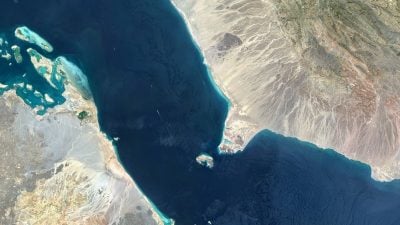
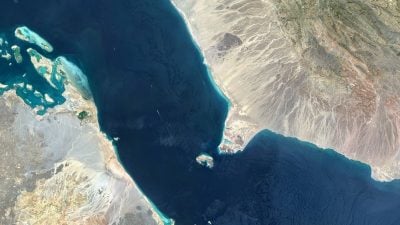
📰An Iranian editor has called for closing the Bab al-Mandab Strait amid escalating US-Iran tensions, raising significant geopolitical risks to global oil trade. The strait, a critical chokepoint for international energy commerce, represents a potential flashpoint that could disrupt markets and influence cryptocurrency volatility through broader macroeconomic instability.
GeneralBearishCrypto Briefing · May 3🔥 8/10
📰Ongoing territorial disputes in Russia's Sumy region continue to destabilize the area and complicate ceasefire negotiations between Russia and Ukraine. The conflict's persistence raises concerns about regional stability and influences market sentiment, particularly affecting risk assessments for Eastern European exposure.
GeneralBearishCrypto Briefing · May 3🔥 8/10
📰US economic sanctions on Iran are deepening the country's economic crisis despite recent ceasefire negotiations, creating potential risks for regional instability and complicating diplomatic efforts. The blockade restricts Iran's access to international markets and financial systems, limiting economic recovery options.
GeneralBearishCrypto Briefing · May 3🔥 8/10
📰An Iranian supertanker successfully evaded U.S. enforcement measures in the Strait of Hormuz, revealing gaps in blockade implementation. The incident underscores persistent regional tensions and could extend market volatility in global oil supplies, with implications for energy-linked cryptocurrency and commodity markets.
GeneralBearishCrypto Briefing · May 3🔥 8/10
📰Iran's closure of the Strait of Hormuz amid the UAE's exit from OPEC+ creates significant disruption to global oil supply chains and geopolitical dynamics. This dual shock threatens to increase oil price volatility and strain energy markets, with ripple effects across cryptocurrency and broader financial systems dependent on stable energy costs.
GeneralBearishCrypto Briefing · May 3🔥 8/10
📰The US has warned that Iran is adopting North Korea's nuclear strategy, escalating regional military tensions and creating uncertainty that could impact diplomatic efforts and global market stability. These geopolitical developments pose risks to energy markets, trade routes, and investor confidence across multiple sectors.
GeneralBearishCrypto Briefing · May 3🔥 8/10
📰Iranian speedboats and reported mine activity in the Strait of Hormuz signal escalating geopolitical tensions that threaten global oil supply chains. Disruptions to crude shipments through this critical chokepoint could trigger commodity price volatility and broader market instability affecting crypto and traditional assets alike.
GeneralBearishCrypto Briefing · May 3🔥 8/10
📰The US has issued warnings against nations paying Iran for passage through the Strait of Hormuz, escalating geopolitical tensions in a region critical to global energy supply. This dispute threatens to disrupt oil markets and has potential ripple effects across cryptocurrency and broader financial markets sensitive to energy price volatility.
GeneralBearishCrypto Briefing · May 3🔥 8/10
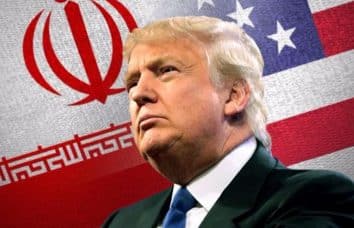
📰Former President Trump has signaled a more aggressive posture toward Iran, including potential military strikes, amid ongoing uncertainty surrounding the nuclear deal. This escalation raises geopolitical tensions that could destabilize global markets, including cryptocurrency and traditional assets sensitive to conflict risk.
GeneralBearishCrypto Briefing · May 3🔥 8/10
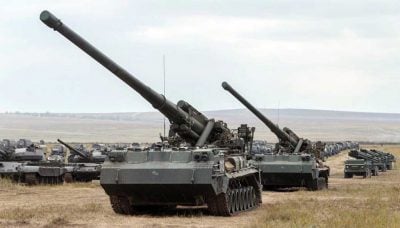
📰Russia escalated its military campaign in Ukraine by launching approximately 1,600 drones and 1,100 bombs, a significant intensification that reduces near-term ceasefire prospects. This geopolitical escalation creates market uncertainty and volatility, historically impacting risk assets including cryptocurrencies that are sensitive to macroeconomic instability and geopolitical tensions.
GeneralBearishCrypto Briefing · May 3🔥 8/10
📰Israel's defense minister has warned of potential military action against Iran, raising concerns about regional destabilization. Escalating military tensions could disrupt global markets, affect diplomatic relations, and increase conflict risks with cascading effects on energy prices and investor sentiment.
GeneralBearishCrypto Briefing · May 2🔥 8/10
📰Beijing has defied U.S. sanctions in a move that escalates geopolitical tensions ahead of a planned Trump-Xi summit. The confrontation threatens to disrupt global oil markets and complicate diplomatic relations, with potential ripple effects across economic and financial systems.
GeneralBearishCrypto Briefing · May 2🔥 8/10
📰US-Iran tensions have escalated over seized oil tankers in the Strait of Hormuz, with Iran accusing the US of piracy. This geopolitical dispute threatens to disrupt global oil trade, potentially destabilize energy markets, and complicate prospects for reviving nuclear negotiations between the two nations.