Models, papers, tools. 61,753 articles with AI-powered sentiment analysis and key takeaways.
GeneralBearishFortune Crypto · Jun 237/10
📰Global markets experienced significant volatility following the Federal Reserve's policy reset, with SpaceX stock losing approximately $400 billion in value. The broader market downturn reflects shifting investor expectations around interest rates and macroeconomic conditions.
AIBearishBlockonomi · Jun 237/10
🧠Oracle eliminated 21,000 jobs (13% of workforce) in fiscal 2026 as part of an AI-driven restructuring, resulting in $1.8 billion in charges. The move reflects the broader enterprise software industry's shift toward automation and AI integration, reducing headcount to 141,000 employees.
GeneralBearishBlockonomi · Jun 237/10
📰Gold prices dropped nearly 2% as the U.S. dollar reached a 13-month peak, driven by market expectations of a 90% probability of a Federal Reserve rate hike in December. Precious metals including silver, platinum, and copper experienced sharp declines alongside gold's weakness.
GeneralNeutralFortune Crypto · Jun 237/10
📰Saudi Aramco's chairman advocates for 'energy realism' amid a historic oil market shock, signaling the oil industry's push back against aggressive energy transition timelines. This reflects broader tensions between fossil fuel producers and global decarbonization mandates, with implications for energy markets and commodity-linked assets.
GeneralBearishCrypto Briefing · Jun 23🔥 8/10
📰China has imposed export controls on 10 US rare earth firms in retaliation for American military blacklisting actions. This escalation threatens global supply chain stability, particularly affecting technology and defense sectors dependent on rare earth materials.
GeneralBearishStratechery · Jun 237/10
📰Major memory chip manufacturers face potential long-term competitive threats as Chinese competitors gain market access, while Microsoft pursues integration of Chinese AI models to optimize costs and capabilities. These parallel trends signal shifting dynamics in semiconductor supply chains and AI development strategies driven by geopolitical and economic pressures.
GeneralBearishCrypto Briefing · Jun 237/10
📰China deployed a floating platform at Scarborough Shoal, a contested area in the South China Sea, escalating regional tensions and potentially straining China-Philippines relations. The move signals Beijing's intent to expand control over disputed maritime territories, with broader implications for geopolitical stability in a strategically critical region.
GeneralNeutralBlockonomi · Jun 237/10
📰U.S. sanctions relief on Iran has triggered a 3% decline in crude oil prices as the agreement allows Iranian oil exports to resume, easing global supply concerns. This geopolitical development directly impacts energy markets and has broader implications for inflation-sensitive assets including cryptocurrency valuations.
GeneralBearishCrypto Briefing · Jun 237/10
📰The EU has intensified its investigation into Meta regarding addictive design practices targeting children, potentially establishing a regulatory precedent that could reshape global tech industry standards. This escalation signals growing governmental willingness to enforce stricter controls on platform design mechanisms that exploit younger users.
AI × CryptoBullishBlockonomi · Jun 237/10
🤖Binance founder CZ discusses his prison experience, potential Trump pardon, and Bitcoin's price momentum toward $60K while highlighting how the AI boom creates positive externalities for cryptocurrency adoption and infrastructure development.
$BTC
AI × CryptoBearishBlockonomi · Jun 237/10
🤖BitMEX founder Arthur Hayes has liquidated his entire altcoin portfolio and issued a warning that an artificial intelligence bubble could trigger a significant cryptocurrency market correction between 2027-2028, though he maintains a bullish long-term outlook for Bitcoin reaching $1 million.
$BTC
AI × CryptoBullishFortune Crypto · Jun 237/10
🤖The Technology Innovation Institute argues that AI agents operating autonomously must demonstrate trustworthiness through verifiable, real-time proof of their actions rather than relying on post-hoc assurances. This shift reflects the industry's movement from conversational AI to agentic systems that execute tasks independently, requiring fundamentally different approaches to enterprise validation and accountability.
GeneralBearishCrypto Briefing · Jun 237/10
📰Global technology stocks experienced a significant selloff led by chipmakers, erasing $1.3 trillion in market value. The decline reflects underlying vulnerabilities in high-valuation growth stocks and demonstrates how macroeconomic pressures can rapidly destabilize tech sector performance.
AINeutralFortune Crypto · Jun 237/10
🧠European executives face a critical strategic decision regarding AI adoption: gaining access to cutting-edge AI systems may require surrendering technological autonomy to foreign companies. The article highlights tensions between competitive necessity and strategic independence that shape Europe's AI policy landscape.
🏢 Anthropic
GeneralBearishCrypto Briefing · Jun 237/10
📰KPMG Australia's chairman and two partners have resigned following an audit scandal that threatens the firm's credibility and exposes systemic integrity issues. The firm risks losing approximately $270 million in government contracts, marking a significant blow to one of the Big Four accounting firms.
GeneralBearishCrypto Briefing · Jun 237/10
📰Iran has denied J.D. Vance's claims that it agreed to readmit nuclear inspectors as part of US sanctions relief negotiations. The dispute reflects escalating geopolitical tensions between the US and Iran that create uncertainty in global oil markets and affect cryptocurrency trading strategies tied to sanctions dynamics.
GeneralBearishCrypto Briefing · Jun 237/10
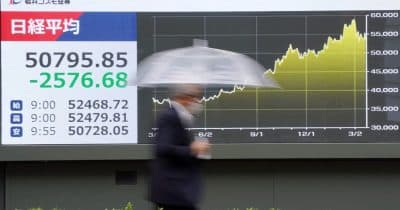
📰Asian equity markets and oil prices declined as investors reassess expectations for Federal Reserve rate hikes, reflecting broader concerns about global economic slowdown. The selloff signals growing market sensitivity to monetary policy shifts and reveals particular vulnerability in technology sectors amid heightened economic uncertainty.
GeneralBullishCrypto Briefing · Jun 237/10
📰Eurozone business activity contracted less severely than anticipated in June, with the PMI index approaching neutral territory. This slower-than-expected contraction may reduce recession concerns and influence European Central Bank monetary policy decisions, potentially stabilizing broader risk assets including cryptocurrencies.
GeneralBearishCrypto Briefing · Jun 237/10
📰The European Central Bank has raised interest rates while warning that Middle East geopolitical tensions are simultaneously dampening euro area economic growth and fueling inflationary pressures. This dual challenge creates a difficult monetary policy environment where rate hikes intended to combat inflation risk further weakening already fragile economic conditions.
GeneralBearishCrypto Briefing · Jun 23🔥 8/10
📰A UN inquiry has concluded that Israel deliberately targeted Gaza children, with findings suggesting actions consistent with genocide. The report threatens to significantly strain Israel's international relationships and diplomatic standing, potentially affecting global negotiations and reshaping how nations perceive Israeli conduct.
AIBearishCrypto Briefing · Jun 237/10
🧠OpenAI faces increased regulatory scrutiny regarding Sam Altman's personal investment portfolio ahead of the company's anticipated IPO, raising governance and conflict-of-interest concerns that could complicate the public offering process.
🏢 OpenAI
GeneralNeutralCrypto Briefing · Jun 237/10
📰The US has granted oil sanctions waivers to Iran, potentially unlocking billions in revenue and signaling a shift toward diplomatic engagement. This development could facilitate nuclear negotiations and reduce regional tensions, with significant implications for global energy markets and geopolitical stability.
GeneralBearishCrypto Briefing · Jun 237/10
📰Iran has denied scheduled access to International Atomic Energy Agency (IAEA) inspectors at nuclear sites that were recently bombed, escalating geopolitical tensions in the Middle East. This denial of transparency could undermine diplomatic negotiations and increase global uncertainty, potentially affecting financial markets including cryptocurrency assets sensitive to geopolitical risk.
GeneralNeutralCrypto Briefing · Jun 237/10
📰President Trump has announced that General Motors and Ford will redirect manufacturing capacity toward missile production, signaling a strategic reorientation of US industrial priorities toward defense. This shift reflects broader geopolitical tensions and could reshape automotive supply chains and defense procurement strategies.
AIBearishAI News · Jun 237/10
🧠Five Eyes intelligence agencies issued a rare joint warning on June 22, 2026, alerting the public that AI-driven cyber threats will impact individuals and organizations within months rather than years. The coordinated briefing from the US, UK, Canada, Australia, and New Zealand signals that AI-powered cyberattacks have moved from theoretical risk to imminent practical threat.