
Bank of Korea chief says AI boom offsets Iran war impact on economy
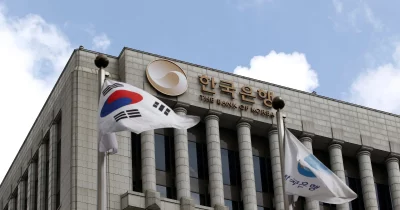
South Korea's central bank chief indicates that the AI sector's economic expansion is offsetting negative impacts from Iran-related geopolitical tensions on the broader economy. However, the AI boom's benefits may prove temporary unless sustained by continued investment, while inflation pressures pose risks to consumer spending and economic stability.
The Bank of Korea's assessment reflects a critical tension in global economic dynamics: technological momentum versus geopolitical headwinds. As Middle East escalation threatens energy prices and supply chains, the AI sector's rapid growth provides crucial economic counterbalance. This positioning suggests policymakers view artificial intelligence not merely as a sectoral opportunity but as a macroeconomic stabilizer capable of offsetting external shocks.
The broader context reveals why this matters. South Korea has positioned itself as a hardware and software powerhouse in AI infrastructure, with semiconductor exports and tech investment driving growth. The central bank's explicit acknowledgment that AI offsets war-related economic drag demonstrates how technology cycles now shape monetary policy calculus. Unlike previous crises managed through interest rate adjustments alone, authorities increasingly recognize structural technological shifts as independent economic forces.
The caveats embedded in this statement carry significant weight. Characterizing AI's boost as potentially temporary signals concern about sustainability—suggesting current valuations and investment levels may not persist. Inflation risks compound this worry; if AI-driven productivity gains fail to materialize quickly enough, prices could rise faster than wages, squeezing consumers already vulnerable to energy shocks from regional conflict.
Investors should monitor whether Korea's central bank adjusts monetary policy based on AI sector health rather than traditional indicators. A sustained emphasis on technology-dependent growth could signal increased volatility if AI investment cycles shift. The implicit warning about inflation suggests the bank remains hawkish on rates despite acknowledging AI tailwinds, indicating confidence in neither the boom's permanence nor its ability to solve stagflation concerns.
- →AI sector growth is providing measurable economic offset to geopolitical disruptions from Iran tensions, influencing central bank policy assessment.
- →The central bank explicitly cautions that AI's economic benefits may prove temporary without continued investment and infrastructure development.
- →Inflation risks remain a significant concern even as AI drives growth, potentially impacting consumer purchasing power and economic stability.
- →South Korea's experience suggests technology cycles now rival traditional macroeconomic factors in shaping monetary policy decisions.
- →Policy continuity on rates may depend more on AI investment trajectory than conventional economic indicators going forward.