
Beijing defies US sanctions, escalating tensions ahead of Trump-Xi summit
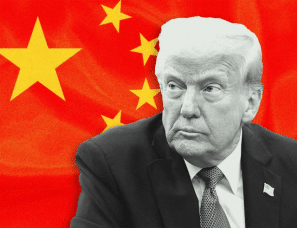
Beijing has defied U.S. sanctions in a move that escalates geopolitical tensions ahead of a planned Trump-Xi summit. The confrontation threatens to disrupt global oil markets and complicate diplomatic relations, with potential ripple effects across economic and financial systems.
The U.S.-China sanctions dispute represents a critical flashpoint in an already fractious bilateral relationship. Beijing's defiant response signals that diplomatic channels remain strained despite upcoming high-level talks, suggesting both parties are willing to escalate before negotiating. This dynamic reflects deeper structural tensions around trade, technology, and geopolitical influence that have intensified over the past several years.
The timing of this escalation—immediately before a Trump-Xi summit—is particularly significant. Rather than serving as a confidence-building measure, the sanctions violation and Beijing's response demonstrate that neither side views the upcoming meeting as a de-escalation opportunity. This pattern of brinksmanship before talks is characteristic of modern U.S.-China relations, where each side tests resolve and seeks negotiating leverage.
For markets, the primary concern centers on oil price volatility and broader economic uncertainty. Energy markets are highly sensitive to geopolitical risk, and escalating U.S.-China tensions create supply chain anxiety and inflation concerns. Cryptocurrency and risk assets typically suffer during periods of elevated geopolitical uncertainty, as investors rotate toward safe-haven positions. The broader macroeconomic implications—potential tariff escalation, supply chain disruption, and coordinated economic pressure—directly impact investor risk appetite across equities, commodities, and digital assets.
Looking ahead, the Trump-Xi summit becomes a crucial test of whether diplomatic pragmatism can override current tensions. Market participants should monitor whether the meeting produces substantive agreements or merely theatrical statements. Any escalation beyond current sanctions levels or military posturing could trigger significant market dislocations.
- →Beijing's sanctions defiance escalates U.S.-China tensions despite an upcoming Trump-Xi summit.
- →Geopolitical friction threatens global oil markets and creates economic uncertainty.
- →Risk assets, including cryptocurrency, typically weaken during elevated U.S.-China tensions.
- →The upcoming summit may determine whether diplomatic resolution is possible.
- →Supply chain and tariff concerns from this conflict carry broader macroeconomic implications.