GeneralBearishCrypto Briefing · May 9🔥 8/10
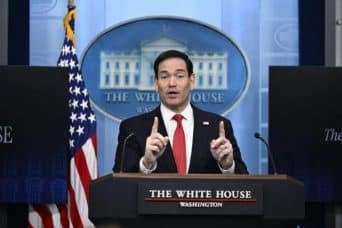
📰Marco Rubio has imposed sanctions on Chinese entities for supplying satellite imagery to Iran, escalating US-China geopolitical tensions. This action threatens to disrupt global supply chains and introduce elevated geopolitical risk premiums into cryptocurrency and financial markets.
GeneralBearishCrypto Briefing · May 2🔥 8/10
📰Beijing has defied U.S. sanctions in a move that escalates geopolitical tensions ahead of a planned Trump-Xi summit. The confrontation threatens to disrupt global oil markets and complicate diplomatic relations, with potential ripple effects across economic and financial systems.
GeneralBearishCrypto Briefing · May 1🔥 8/10
📰Eyck Freymann argues that Taiwan's semiconductor industry is critical infrastructure for global economic stability, with potential disruption exceeding oil supply crises. A Chinese acquisition of Taiwan's chip manufacturing capability would fundamentally reshape the global economic system and power dynamics between the US and China.
GeneralBearishBlockonomi · Apr 12🔥 8/10
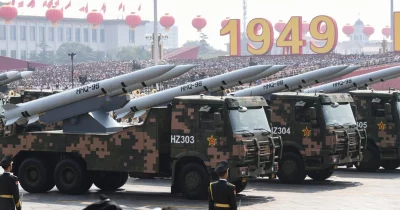
📰US intelligence reports that China is preparing to ship MANPAD air defense systems to Iran through third-party intermediaries to obscure the origin of the weapons. This escalation moves beyond dual-use technology sales to direct government-to-government arms transfers during a period of fragile Middle East ceasefire agreements.
GeneralBearishCrypto Briefing · Jun 277/10
📰The US has expanded its ban on Chinese technology imports to include Huawei, ZTE, and surveillance equipment manufacturers, intensifying tech tensions between Washington and Beijing. The move risks disrupting global supply chains and escalating geopolitical competition in critical technology sectors.
GeneralBearishBlockonomi · Jun 247/10
📰ASML's stock fell 7.82% following U.S. export control allegations and proposed legislation targeting DUV lithography sales to China. The restrictions threaten a significant revenue stream for the Dutch chipmaking equipment manufacturer, reflecting escalating geopolitical tensions over semiconductor technology access.
GeneralBearishCrypto Briefing · Jun 237/10
📰Alibaba has filed a lawsuit against the Pentagon challenging its inclusion on a Chinese military blacklist, escalating US-China tensions in the tech sector. The dispute highlights growing friction between Washington and Beijing over corporate designations and could affect global technology investments and bilateral relations.
GeneralBearishCrypto Briefing · Jun 197/10
📰The US has raised concerns with ASML, a Dutch semiconductor equipment manufacturer, regarding China's access to advanced chip manufacturing tools, particularly EUV lithography systems. This escalation reflects ongoing US-China tech tensions and could reshape global semiconductor supply chains while affecting ASML's business operations and market position.
GeneralBearishBlockonomi · Jun 9🔥 8/10
📰The U.S. Department of Defense has added Alibaba, Baidu, and BYD to its list of Chinese military-connected entities, effectively barring these companies from U.S. defense contracts. The designations triggered stock declines as the firms announced plans to challenge the classifications legally.
GeneralBearishCrypto Briefing · Jun 67/10
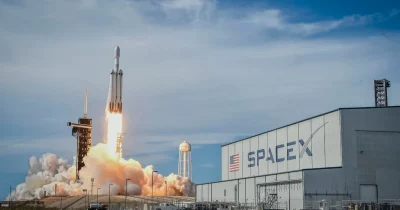
📰SpaceX's IPO underwriters have prohibited investors from Hong Kong and mainland China from participating in the offering due to US export control restrictions on sensitive aerospace technology. This decision underscores how geopolitical tensions between the US and China are increasingly fragmenting global capital markets and limiting investment opportunities across jurisdictions.
GeneralBearishCrypto Briefing · May 12🔥 8/10
📰Beijing is reportedly considering shipping air defense systems to Iran through third-party nations amid escalating trade tensions with the Trump administration, which has threatened 50% tariffs on Chinese imports. This geopolitical development reflects deepening US-China tensions and could destabilize regional security while creating economic uncertainty that affects global markets, including cryptocurrency and tech sectors.
AIBearishCrypto Briefing · May 37/10
🧠China has blocked Meta's $2 billion acquisition of Manus, an AI startup, reflecting escalating US-China regulatory tensions in the technology sector. The decision underscores Beijing's increasingly restrictive stance toward foreign tech investments and signals potential challenges for American companies seeking global expansion in AI and adjacent markets.
AIBullishCrypto Briefing · May 27/10
🧠The US government is backing Anthropic's AI model as part of efforts to strengthen domestic technological competitiveness against China. This strategic support reflects broader geopolitical tensions and the growing importance of AI capabilities in national tech competition.
🏢 Anthropic
GeneralBearishCrypto Briefing · May 27/10
📰China has enacted new trade rules amid uncertainty surrounding a potential Trump-Xi summit, raising concerns about escalating U.S.-China tensions. The policy move could destabilize diplomatic relations and have ripple effects across global markets, including cryptocurrency and technology sectors dependent on international trade.
GeneralBearishCrypto Briefing · May 17/10
📰Apple CEO Tim Cook has warned that rising memory and semiconductor costs, driven by escalating US-China trade tensions, pose a significant threat to technology sector profit margins. These cost pressures could reshape competitive dynamics among major tech companies and impact valuations across the industry.
GeneralBearishCrypto Briefing · Apr 217/10
📰Trump has linked a seized ship to China, raising concerns about escalating U.S.-China tensions that could disrupt diplomatic relations and destabilize markets. The geopolitical friction may force Trump to reconsider planned diplomatic visits, creating uncertainty for investors seeking clarity on trade and policy direction.
GeneralBearishCrypto Briefing · May 47/10
📰Chinese hackers have targeted the Cuban embassy, escalating U.S.-China tensions and undermining diplomatic engagement prospects. The incident reflects broader cybersecurity vulnerabilities in diplomatic channels during a period of heightened geopolitical friction.
GeneralNeutralCrypto Briefing · Apr 216/10
📰China's Fujian aircraft carrier is expected to reach full operational readiness in 2024, marking a significant milestone in the country's military modernization. Despite this advancement, market analysts assess the probability of immediate military invasion as low, suggesting geopolitical tensions may not translate into near-term military escalation.