
Beijing considers shipping air defense systems to Iran via third countries as Trump threatens 50% tariffs
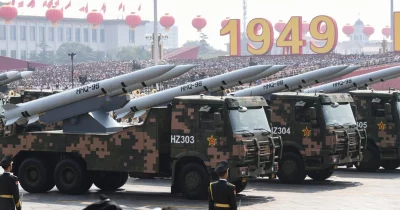
Beijing is reportedly considering shipping air defense systems to Iran through third-party nations amid escalating trade tensions with the Trump administration, which has threatened 50% tariffs on Chinese imports. This geopolitical development reflects deepening US-China tensions and could destabilize regional security while creating economic uncertainty that affects global markets, including cryptocurrency and tech sectors.
The reported consideration of Chinese military exports to Iran represents a significant escalation in geopolitical tensions between Washington and Beijing. This move suggests China may be responding to Trump's tariff threats by strengthening alliances with US-sanctioned nations, creating a multipolar security environment that complicates international relations. The use of third-country intermediaries indicates deliberate circumvention of existing sanctions regimes, which historically signals broader decoupling between Western and Chinese supply chains.
This situation emerges from decades of US-Iran sanctions and China's strategic pivot toward non-Western alignments. The Trump administration's protectionist trade policies create incentives for China to diversify partnerships and strengthen relationships with economically or strategically isolated nations. Iran's ongoing need for military modernization aligns with China's capacity and willingness to export such systems when political calculations favor it.
For global markets, including cryptocurrency, heightened geopolitical risk typically increases volatility and reduces risk appetite. Trade war escalation tends to pressure equities while benefiting safe-haven assets. Cryptocurrency markets have historically experienced increased trading activity during periods of geopolitical uncertainty, as investors seek alternatives to traditional markets. The threat of 50% tariffs on Chinese goods could cascade through tech supply chains, affecting semiconductor-dependent sectors and potentially influencing capital allocation toward decentralized finance solutions seen as less subject to traditional economic sanctions.
Investors should monitor developments in US-China relations, potential additional tariff announcements, and Iranian response measures. Broader implications include possible supply chain disruptions, currency volatility, and strategic realignment among technology and defense sectors.
- →China reportedly plans to circumvent Western oversight by shipping military systems to Iran through third-country intermediaries
- →Trump's threatened 50% tariffs on Chinese imports may be driving Beijing toward strategic alliances with sanctioned nations
- →Geopolitical escalation typically increases volatility across cryptocurrency and traditional markets
- →US-China-Iran triangle tensions could trigger significant supply chain disruptions in technology sectors
- →Investors should expect increased market uncertainty and potential safe-haven capital flows during this period