
Trump links seized ship to China, casting doubt on planned visit
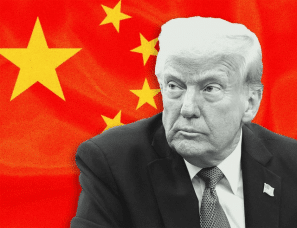
Trump has linked a seized ship to China, raising concerns about escalating U.S.-China tensions that could disrupt diplomatic relations and destabilize markets. The geopolitical friction may force Trump to reconsider planned diplomatic visits, creating uncertainty for investors seeking clarity on trade and policy direction.
Escalating U.S.-China tensions represent a critical juncture in global geopolitics with direct implications for financial markets. Trump's public linking of a seized vessel to China signals hardening rhetoric that could precede broader trade restrictions or sanctions, patterns historically associated with market volatility and asset repricing across risk-sensitive categories including cryptocurrencies.
The broader context reveals deepening strategic competition between the U.S. and China spanning technology, supply chains, and military positioning. Previous Trump administrations implemented tariffs and technology restrictions that triggered market corrections. The current situation echoes those patterns, suggesting potential escalation beyond diplomatic statements to concrete policy measures affecting global commerce.
Crypto and broader financial markets respond acutely to geopolitical uncertainty. U.S.-China tensions typically drive flight-to-safety behavior, strengthening dollar-denominated assets while pressuring risk assets. Cryptocurrency markets, already sensitive to macroeconomic shocks and policy uncertainty, face headwinds from potential capital controls or regulatory crackdowns associated with heightened geopolitical risk. Investors in emerging markets and China-exposed assets face particular exposure.
Market participants should monitor whether Trump's visit cancellation materializes and assess whether rhetoric translates into formal sanctions or trade policy changes. Policy announcements from Beijing and responses from U.S. allies will signal escalation trajectory. The crypto market's reaction will likely lag traditional markets but intensify if tensions threaten dollar stability or trigger broader capital restrictions.
- →Trump's statements linking the seized ship to China indicate escalating geopolitical tensions that threaten near-term diplomatic relations
- →Historically, U.S.-China friction precedes tariffs and sanctions affecting global markets and crypto asset prices
- →Risk assets including cryptocurrencies typically face downward pressure during periods of heightened geopolitical uncertainty
- →Potential Trump visit cancellation signals serious deterioration rather than routine diplomatic friction
- →Investors should monitor for concrete policy measures beyond rhetoric to assess true market impact severity