
Biohub unveils AI world model for drug discovery, enhancing protein design
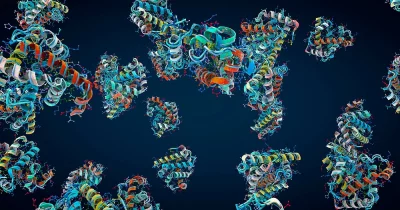
Biohub has launched an AI toolkit that democratizes drug discovery by enabling smaller biotech firms to access advanced protein design and AI-powered research capabilities previously available only to large pharmaceutical companies. This development has the potential to reshape the biotech industry by lowering barriers to entry and accelerating innovation across the sector.
Biohub's release of an AI world model for drug discovery represents a significant shift in how biotechnology research is conducted and democratized. By packaging sophisticated AI tools into an accessible toolkit, the company removes technical and financial barriers that have historically restricted drug discovery capabilities to well-funded institutions. Smaller biotech firms can now leverage machine learning for protein design and validation, tasks that previously required substantial computational resources and specialized expertise.
The broader context reflects a growing trend of AI-driven automation in life sciences. Over the past three years, companies like DeepMind and others have made breakthroughs in protein structure prediction and drug target identification. Biohub's approach extends this momentum by creating tools that translate academic breakthroughs into practical, deployable solutions for commercial drug discovery workflows.
From a market perspective, this democratization could reshape competitive dynamics in biotech. Smaller firms gain the ability to develop novel therapeutics more efficiently, potentially disrupting the traditional model where size and capital determined innovation capacity. This may accelerate the creation of new drug candidates and reduce time-to-market for certain therapeutic areas. Investors tracking biotech innovation should monitor whether this toolkit drives measurable improvements in drug discovery timelines or success rates.
Looking forward, the critical metric is adoption rates among smaller biotech companies and the quality of therapeutic candidates that emerge from using this toolkit. Long-term impact depends on whether AI-assisted drug discovery can move beyond protein design into clinical validation, where AI's role remains less defined.
- →Biohub's AI toolkit lowers barriers to drug discovery for smaller biotech firms by democratizing access to advanced protein design capabilities.
- →The toolkit leverages machine learning and world models to automate critical research tasks previously requiring substantial computational resources.
- →Smaller biotech companies can now compete more effectively with pharmaceutical giants by accessing equivalent AI-powered discovery tools.
- →This trend aligns with broader AI automation in life sciences, building on recent breakthroughs in protein structure prediction.
- →Adoption rates and the clinical viability of AI-discovered drug candidates will determine long-term market impact.